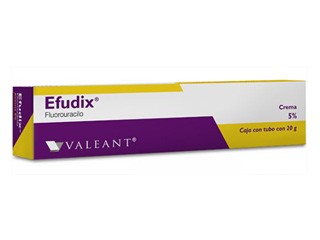
Efudex (Fluorouracil) – Patient Information (UK)
Efudex is a medicine containing fluorouracil (5‑FU), used to treat certain skin conditions, most commonly some forms of actinic keratosis. It works by interfering with the growth of rapidly dividing abnormal skin cells. Over a course of treatment, you may notice redness, irritation, scaling, or crusting—this is often part of the expected healing process, but it must be managed carefully.
This page explains how Efudex works, what it is used for, how it is usually applied, and important safety information for people in the United Kingdom. Always follow the instructions provided with your medicine and consult a healthcare professional if you are unsure.
Quick Overview
- Active ingredient: Fluorouracil (5‑FU)
- Medicinal form: Topical (skin) cream/ointment preparations are commonly used (strength varies by product and local guidance).
- Used for: Certain skin conditions caused by abnormal cell growth, particularly actinic keratosis.
- How it works: Stops fast-growing abnormal cells from making DNA properly.
- Typical effects: Redness, burning, scaling, crusting; these may indicate the medicine is working.
- Where to apply: Only to the skin areas your prescriber/clinician advised.
How Efudex Works (Mechanism of Action)
Fluorouracil (5‑FU) is an antimetabolite anticancer medicine. When applied to skin, it is taken up by cells and converted into active forms that interfere with essential cellular processes.
Key actions include:
- Inhibition of thymidylate synthase, an enzyme needed to make DNA building blocks.
- Disruption of DNA/RNA synthesis, which slows or prevents the rapid division of abnormal cells.
- Selective impact on rapidly dividing cells—the abnormal cells targeted by Efudex generally proliferate faster than surrounding normal skin, making them more vulnerable to treatment.
Although Efudex is not used like a “painkiller,” the inflammatory reaction on treated skin is a common feature. The goal is to remove abnormal cells and allow healthier skin to replace them.
Pharmacokinetics: What the Body Does With It
When fluorouracil is applied topically, only a portion is expected to be absorbed through the skin. Absorption can increase if:
- the treated area is inflamed, ulcerated, or broken
- the skin barrier is damaged
- large areas are treated or occlusive dressings are used
Once absorbed, fluorouracil is processed primarily in the body’s tissues through normal metabolic pathways and is ultimately cleared. The overall systemic exposure from topical use is usually much lower than from medicines given by other routes, but some absorption can still occur—so safety precautions are important, especially for long courses or larger treated areas.
Typical Use in the UK
Efudex is widely used for field treatment of sun-damaged areas, particularly:
- Actinic keratosis (also called solar keratosis), a common precancerous condition linked to UV exposure.
Depending on local specialist practice, it may also be used for other superficial pre-cancerous or superficial lesions. Your clinician will choose the most appropriate option based on:
- the type and number of lesions
- the size of the affected area
- skin type and location (face, scalp, arms, etc.)
- your preferences and tolerance for skin reactions
Indications: When Efudex Is Used
In practical UK terms, Efudex is indicated for topical treatment of actinic keratosis and related sun-damaged skin conditions under specialist direction or in line with established care pathways.
It is not intended for:
- untreated wounds or broken skin unless specifically advised
- infected skin areas (unless a clinician instructs otherwise)
- areas around the eyes, inside the nose, or inside the mouth (unless specifically directed)
Dosing and Timing: How to Apply Efudex
Your exact dosing schedule may vary based on the strength of the product, the site of treatment, and the planned duration. Always use the regimen provided with your medicine or by your clinician.
As a general guide for topical courses used in practice:
- Apply a thin layer to the affected area and the surrounding “field” as directed.
- Frequency is usually once or twice daily depending on the product and treatment plan.
- Duration often spans several weeks, but may be shorter or longer depending on response and tolerability.
Expected Timeline of Skin Reactions
People commonly notice changes in stages. While individual responses vary, a typical pattern may be:
| Time after starting | What you may notice | What it may mean |
|---|---|---|
| Days 1–7 | Mild redness, slight burning, dryness | Early inflammatory response; continue as instructed |
| Days 7–14 | More pronounced redness, scaling, crusting | Medicine is acting on abnormal cells |
| Weeks 2–4 (or longer) | Oozing/irritation, painful areas, healing changes | Peak reaction in some patients; manage irritation carefully |
| After stopping | Healing, new skin formation, gradual reduction of redness | Follow-up is important to check results |
Do not increase the amount or apply more frequently than advised. Using more can increase irritation without improving effectiveness.
How to Apply (Practical steps)
- Wash and dry the treatment area gently.
- Use clean hands. Apply a thin film of Efudex to the prescribed area.
- Wash hands thoroughly after application (unless your hands are part of the treated area).
- Avoid contact with eyes, lips, nose, and other sensitive areas.
- Use non-adherent dressings if recommended to protect irritated skin.
If you miss a dose, apply it when you remember unless it is close to your next scheduled application. Do not double up.
Food Interactions
Efudex is a topical medicine, so interactions with food are generally not a major concern. There is typically no need to avoid specific foods when using Efudex as directed for skin treatment.
However, absorption can increase if the skin is significantly inflamed. If you have any concerns about interactions—especially if you are taking multiple medicines—speak with a healthcare professional.
Alcohol and Medicine Interactions
Alcohol: There is no well-established direct interaction between topical fluorouracil and alcohol. Nevertheless, because Efudex may cause skin irritation and sometimes discomfort, it is sensible to avoid alcohol if it worsens side effects or affects your ability to follow your skincare regimen.
Other medicines: Topical Efudex is not commonly associated with major systemic drug interactions, but interactions can occur indirectly through skin reactions or other treatments.
Tell your clinician if you use:
- other skin treatments in the same area (for example, strong antiseptics, retinoids, or exfoliants)
- medicines that affect skin healing
- phototherapy or regular sun exposure to the treated area
- steroid creams used concurrently (ask whether to continue or pause)
General rule: Avoid applying additional irritant products to the treatment field unless your clinician specifically advises it. If you are unsure what is safe to use, ask your pharmacist.
Safety Profile: Side Effects and Warnings
Efudex commonly causes local skin reactions because it targets rapidly dividing abnormal cells and triggers inflammation. Most side effects are limited to the treated area.
Common Side Effects
- Redness (erythema)
- Burning or stinging
- Dryness and flaking
- Scaling and crusting
- Swelling
- Itching
- Oozing or weeping in more reactive areas
- Tenderness and discomfort during the course
Less Common but Important Risks
- Severe local inflammation (painful sores, extensive blistering)
- Skin infection if the barrier is broken and hygiene is poor
- Excessive absorption if large areas are treated, skin is badly ulcerated, or occlusion is used
- Eye exposure causing irritation (avoid getting it near the eyes)
Seek urgent medical advice if
- you develop severe blistering, rapidly spreading redness, or intense pain
- you notice signs of infection (increasing warmth, pus, fever)
- there is eye exposure with pain, redness, or blurred vision
- you have a reaction that feels more than “expected irritation” (for example, widespread rash)
Who should take extra care?
Extra caution is recommended for people with:
- very fragile skin or conditions affecting skin healing
- active infections in the treatment area
- history of severe medicine reactions
- large treatment fields or prolonged courses
Practical Use Tips (To Make Treatment Safer and More Comfortable)
Managing the skin reaction can significantly improve comfort and adherence. The following tips are commonly recommended:
- Protect the area: Consider a soft, non-adherent dressing if the skin is weeping or rubbing against clothing.
- Use gentle cleansing: Wash with mild soap and water; avoid scrubbing.
- Moisturise appropriately: Use only moisturisers or barrier creams your clinician/pharmacist approves for the treatment field.
- Avoid sun exposure: Keep the treated area covered when outdoors and avoid intentional sunbathing.
- Do not use occlusive coverings unless advised (occlusion can increase absorption).
- Be careful with shaving: If treating a hairy area, avoid shaving over the irritated field during the course.
- Plan timing: Consider starting when you can handle mild-to-moderate redness (for example, when you are not heavily exposed to social situations requiring uncovered skin).
Expected appearance: Treated areas may look dramatic—red, scaly, crusty, or raw. This can be distressing but may be a sign that abnormal cells are being targeted. If your reaction becomes severely painful or you feel unsure, contact a clinician for advice.
Alternative Options
Several treatment options exist for actinic keratosis and related superficial lesions. The best choice depends on lesion type, location, number of areas, patient preference, and local clinical practice.
Common alternatives include
- Cryotherapy (freezing lesions with liquid nitrogen)
- Other topical therapies used for field cancerisation (availability varies)
- Photodynamic therapy (PDT) in suitable cases
- Surgical removal for selected lesions
Your clinician can discuss which option is most appropriate—sometimes combinations are used. Efudex may be preferred when multiple small lesions occur over a sun-damaged area, or when field therapy is desired.
Market and Legal Context for the United Kingdom
Medicines in the UK are regulated by the Medicines and Healthcare products Regulatory Agency (MHRA). Efudex products are supplied to patients according to the relevant product information, safety requirements, and clinical guidance.
In routine practice, decisions about use of fluorouracil for skin conditions are supported by dermatology pathways and evidence-based guidance. These typically emphasise proper diagnosis, appropriate field size, adherence to the treatment schedule, skin protection, and planned follow-up.
Availability can vary depending on the specific strength and formulation. Online pharmacies generally supply medicines that are licensed and approved for sale within the UK, along with required patient information.
Recent Guidance and Clinical Practice (General Trends)
While individual advice should always come from healthcare professionals, UK dermatology practice over recent years has continued to focus on:
- Field-directed treatment for sun-damaged areas where multiple lesions or “subclinical” changes may exist.
- Shared decision-making about treatment intensity versus expected skin reactions.
- Regular follow-up because actinic keratosis can recur and some lesions may require additional assessment.
- Sun protection as a long-term prevention strategy (broad-spectrum sunscreen, protective clothing, reducing UV exposure).
If you are concerned about whether Efudex is suitable for your diagnosis, ask your pharmacist or clinician to confirm the plan and what results to expect.
Delivery and Availability (Online Pharmacy in the UK)
Efudex products may be available from UK online pharmacies in line with local regulations and stock levels. Delivery is usually offered within standard postal timelines depending on the provider and your location.
When ordering online:
- Check that you are receiving the correct strength and formulation (cream/ointment) for your treatment plan.
- Verify the expiry date on receipt.
- Store the product as directed on the outer packaging.
- Keep out of reach of children.
If the product is temporarily out of stock, many pharmacies can offer alternatives or advise when it will be available again.
How to Store Efudex
Store Efudex according to the instructions on the packaging. Common storage recommendations include:
- Keep at an appropriate temperature and away from direct heat or sunlight.
- Keep the tube/container tightly closed.
- Do not use after the expiry date.
If you notice changes in smell, colour, or texture, do not use the product and ask your pharmacist for guidance.
FAQ: Efudex (Fluorouracil)
1) What is Efudex used for?
Efudex (fluorouracil) is used topically to treat certain sun-damaged skin conditions, most commonly actinic keratosis, under appropriate clinical direction. It treats abnormal skin cells by interrupting their ability to grow.
2) How long will treatment take?
Courses can vary. Many regimens last several weeks depending on the product strength and the treatment area. Your clinician/pharmacist should provide the exact timing. You may see changes within the first week and more significant irritation later in the course.
3) Is redness and peeling normal?
Yes, local irritation is commonly expected with Efudex. Redness, scaling, and crusting can indicate the medicine is working. However, severe pain, rapidly worsening symptoms, or signs of infection should be discussed with a healthcare professional.
4) Should I stop if my skin becomes very sore?
If your reaction is mild to moderate, continue as advised. If you develop severe blistering, intense pain, oozing that worries you, or signs of infection, contact your clinician/pharmacist promptly. Do not adjust the regimen without advice.
5) Can I wear makeup or use other skincare products?
During treatment, the area may be sensitive. Avoid applying other active or irritant products to the field unless your clinician/pharmacist approves. If treating the face, ask what to use for cleansing and whether makeup can be applied once the skin barrier stabilises.
6) Can I sunbathe or have a holiday while using Efudex?
It is strongly recommended to avoid UV exposure to the treated area. Use clothing to cover the area and use suitable sun protection. Intense sun can worsen irritation and increase risk.
7) Is it safe to drink alcohol?
There is no well-known direct alcohol interaction with topical fluorouracil. However, alcohol may affect your comfort, hydration, and ability to follow aftercare. If you feel unwell or your skin reaction worsens, consider reducing or avoiding alcohol during the course.
8) Will I lose hair in the treated area?
If treating hair-bearing skin, irritation can be uncomfortable. Hair changes are not the main expected effect, but your skin may look different during healing. If you notice patchy hair loss or persistent changes, speak to a clinician.
9) What should I do if I accidentally get Efudex in my eye?
Rinse immediately with plenty of water and seek medical advice urgently if you experience pain, redness, or blurred vision.
10) Are there alternatives to Efudex?
Yes. Depending on the lesion pattern and location, clinicians may recommend options such as cryotherapy, photodynamic therapy, or other topical treatments. The best choice depends on your condition and how much irritation you can tolerate.
When to Seek Medical Advice
Contact a healthcare professional for advice if:
- you develop severe reactions that are beyond expected irritation
- you suspect infection
- you are treating an area close to the eyes or experience any eye symptoms
- your symptoms do not improve after stopping or you are unsure whether to continue
Important note: This information is provided for general educational purposes and does not replace personalised medical advice. Always follow the instructions supplied with your Efudex product and consult a qualified healthcare professional for concerns about your specific condition.