Ampicillin (Acillin) — Patient Information (UK)
Ampicillin (brand name: Acillin) is an antibiotic used to treat certain bacterial infections. It belongs to the penicillin group of antibiotics and works by stopping bacteria from building a protective cell wall, which leads to bacterial death or stops growth.
This page explains how ampicillin works, what it is used for, how it is usually taken, and important safety information. Always read the package leaflet provided with your medicine and follow advice from your healthcare professional.
Basic product information
| Item | Details |
|---|---|
| Active ingredient | Ampicillin (Acillin) |
| Medicinal class | Penicillin-class antibiotic (beta-lactam) |
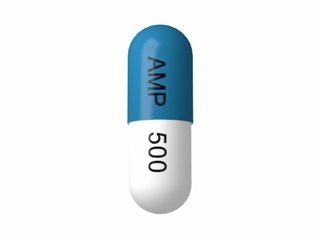
| Common forms | Oral capsules or tablets; sometimes other formulations depending on supply |
| How it’s used | Treatment of susceptible bacterial infections |
| Key cautions | Allergy to penicillins/cephalosporins, history of antibiotic-associated diarrhoea |
| Take-through | Finish the full course unless advised otherwise |
How ampicillin works (mechanism of action)
Ampicillin targets bacterial cell wall synthesis. Bacteria need a cell wall to survive and divide. Ampicillin binds to specific bacterial enzymes (often referred to as penicillin-binding proteins, PBPs), disrupting the final steps of cell wall formation.
As a result, the bacteria become weak and die, or at least cannot multiply effectively. Ampicillin is most effective against bacteria that are susceptible to penicillins.
Importantly, ampicillin does not treat viral infections such as most colds and flu. Using antibiotics when they’re not needed can increase the risk of antibiotic resistance.
Pharmacokinetics (how the body handles it)
“Pharmacokinetics” describes what the body does to a medicine—how it is absorbed, distributed, metabolised, and eliminated. Exact values can vary based on age, kidney function, formulation, and whether the medicine is taken with food.
Absorption
Ampicillin can be absorbed from the gut, though absorption may be affected by the presence of food. Some people may experience gastrointestinal side effects, which can influence how well they tolerate and absorb the medicine.
Distribution
After absorption, ampicillin distributes into body tissues and fluids to reach infection sites. It is particularly relevant to infections where adequate antibiotic levels can be achieved.
Metabolism
Ampicillin is not extensively metabolised in the body. Most of the medicine is eliminated largely unchanged.
Elimination
Ampicillin is mainly cleared via the kidneys. This means that kidney function matters for dosing. People with reduced renal function may need adjusted dosing to reduce the risk of side effects.
Typical uses in the UK
Ampicillin is used for infections caused by susceptible bacteria. Which infections are treated with ampicillin depends on local guidance, bacterial resistance patterns, and the individual’s clinical situation.
Common clinical indications
- Respiratory tract infections caused by susceptible organisms (where appropriate)
- Urinary tract infections (UTIs) caused by susceptible bacteria
- Ear, nose and throat (ENT) infections in selected cases
- Skin and soft tissue infections due to susceptible bacteria
- Other susceptible bacterial infections as determined by a clinician
Note: Many bacterial infections are treated with other antibiotics more commonly today due to resistance patterns. Your healthcare professional will choose the most suitable option based on the suspected organism and local guidelines.
When to take ampicillin (timing)
Ampicillin dosing schedules are typically designed to maintain effective antibiotic levels in the body. You may be advised to take it several times a day, often with regular intervals.
- Try to space doses evenly across the day (e.g., morning, afternoon, evening).
- Take at the same times each day to maintain consistent levels.
- If you forget a dose, take it when you remember unless it’s nearly time for the next dose. Do not take a double dose to catch up.
For the most accurate timing for your specific product strength and regimen, follow the instructions on your medicine label and the patient information leaflet.
Food interactions and what to eat/drink
Food can affect how much ampicillin is absorbed. For best effect, it’s commonly recommended to take ampicillin according to leaflet instructions, which may specify taking it with or without food.
Practical guidance
- If your leaflet says take with food, this can reduce stomach upset.
- If your leaflet says take on an empty stomach, follow that advice for optimal absorption.
- Avoid skipping meals if it worsens nausea or diarrhoea.
If you’re unsure, ask a pharmacist. They can help you interpret the instructions for your exact formulation.
Alcohol and medicine interactions
Moderate alcohol is not always strictly prohibited with ampicillin, but it may increase the likelihood of side effects such as stomach upset, dizziness, or diarrhoea.
Key points
- If you drink alcohol while taking ampicillin, do so in moderation and ensure you stay hydrated.
- Avoid alcohol if you feel unwell, have vomiting/diarrhoea, or your stomach is sensitive.
- If you take other medicines, especially those that affect immunity or the gut, check for interactions with your pharmacist.
Your medical history and other treatments matter. If you’re currently taking multiple medicines, it’s a good idea to review them with a pharmacist.
Medicine interactions (other antibiotics and common medicines)
Interactions can alter how ampicillin works or increase the risk of side effects. Tell your healthcare professional about all medicines you’re taking, including over-the-counter products and herbal remedies.
Common interaction categories
- Other antibiotics: Some antibiotic combinations may reduce effectiveness depending on the mechanism. Your clinician will choose combinations carefully if needed.
- Oral contraceptives: Although the evidence is mixed, severe diarrhoea or vomiting can reduce absorption of contraceptive hormones. If you experience significant gastrointestinal upset, consider extra contraceptive precautions and seek advice.
- Allopurinol (gout medicine): Using allopurinol together with ampicillin can increase the likelihood of rash in some people.
- Methotrexate (cancer/rheumatology medicine): Penicillins may affect clearance routes and increase risk of toxicity. Medical supervision is important.
- Anticoagulants (e.g., warfarin): Antibiotics can affect gut bacteria and may influence INR in some people. Monitoring may be recommended.
This list is not exhaustive. If you want to check a specific medicine you take, consult a pharmacist.
Dosing: typical adult approach
Dosing depends on the type and severity of infection, suspected bacteria, kidney function, and patient factors such as age. The exact dose and frequency must follow the instructions provided with your product.
General dosing principles
- Ampicillin is usually taken in multiple daily doses to keep therapeutic levels steady.
- Kidney impairment may require dose adjustment or longer intervals between doses.
- Do not change your dose or stop early without clinical advice.
Example timing pattern (illustrative)
Some regimens require dosing every 6 hours or every 8 hours. Your label will state the correct schedule for your prescription/product.
Children: Dosing is weight-based and should be determined by a clinician or according to the product leaflet.
Safety profile: who should take care
Ampicillin is generally well tolerated when used appropriately, but like all medicines it can cause side effects. Serious allergic reactions can occur, particularly in people with a history of penicillin allergy.
Do not use if you have a penicillin allergy
- Do not take ampicillin if you have ever had an allergic reaction to penicillin antibiotics.
- Seek urgent medical help if you develop signs of anaphylaxis (e.g., difficulty breathing, swelling of face/lips, severe rash/hives).
Common side effects
- Diarrhoea or loose stools
- Nausea or stomach discomfort
- Skin rash
- Vaginal thrush (in some people after antibiotics)
Serious side effects (get medical advice promptly)
- Severe or persistent diarrhoea, especially if watery or with blood/mucus (could indicate a serious bowel condition)
- Allergic skin reactions that are widespread, blistering, or associated with fever
- Unexplained bruising or bleeding (rare; may signal blood changes)
- Yellowing of skin/eyes or dark urine (possible liver-related effects)
Pregnancy and breastfeeding
Many penicillin antibiotics are commonly used during pregnancy when considered clinically appropriate. If you are pregnant, trying to conceive, or breastfeeding, discuss benefits and risks with your healthcare professional.
Practical use tips (to get the best results)
- Complete the full course: Even if you start feeling better, stopping early may allow bacteria to regrow.
- Stay consistent: Regular dosing helps maintain effective antibiotic levels.
- Hydrate: This can help if you experience mild stomach upset or diarrhoea.
- Manage diarrhoea carefully: If symptoms are mild, keep fluids up and monitor. If diarrhoea is severe, persistent, or contains blood, seek urgent medical advice.
- Store correctly: Keep tablets/capsules as directed on the pack (typically at room temperature, away from moisture).
- Keep a list of medicines: This helps when checking interactions with your pharmacist.
If you miss doses frequently or have difficulty tolerating the medicine, talk to a clinician—there may be alternatives or strategies to improve tolerance.
Alternative options
The “best” antibiotic depends on the likely bacteria, infection site, severity, allergy history, and local resistance patterns. Alternatives may include other beta-lactams, macrolides, tetracyclines, or other antibiotic classes depending on the situation.
Common alternative antibiotic options (examples)
- Amoxicillin (closely related to ampicillin)
- Co-amoxiclav (amoxicillin + clavulanic acid) in selected infections
- Cefalexin or other cephalosporins (only if appropriate and safe)
- Clarithromycin/azithromycin for certain infections
- Doxycycline in selected conditions
Choosing an alternative should be guided by local guidance and the specific infection. Never switch antibiotics without medical advice.
UK market and legal context (what this means for you)
In the United Kingdom, antibiotics are regulated medicines and are supplied in line with UK healthcare standards. Supply arrangements are designed to support safe use, ensure correct indication, and reduce inappropriate antibiotic use.
Antibiotic stewardship is a key public health priority. This means antibiotics are used when there is a reasonable clinical need and are selected to suit the suspected organism. Your healthcare professional may request or review test results (such as cultures) where appropriate.
If a medicine is not suitable for your situation, a pharmacist or clinician may suggest a different treatment or supportive care.
Recent guidance and antibiotic stewardship (overview)
UK antibiotic guidance continues to emphasise:
- Using antibiotics only when likely beneficial (avoid treatment of viral illness)
- Selecting narrow-spectrum antibiotics when possible
- Reviewing treatment if symptoms do not improve
- Reducing resistance risk by avoiding unnecessary courses
If symptoms worsen or fail to improve within an expected time, you should seek further medical assessment.
Delivery and availability
Availability can vary depending on the specific strength and formulation of ampicillin/Acillin and current supply routes. If your preferred strength is unavailable, a pharmacist may advise an alternative formulation or clinically suitable option.
Delivery overview (typical online pharmacy service)
- Dispatch times: Orders are usually dispatched within the stated cut-off times (shown at checkout).
- Delivery methods: Standard and express options may be available depending on location.
- Packaging: Medicines are typically supplied in manufacturer packaging with patient information.
- Cold chain: Ampicillin tablets/capsules generally do not require cold storage.
For exact delivery timelines and stock status, check the product listing details and the checkout page of the pharmacy website.
FAQ — Ampicillin (Acillin)
1) What is ampicillin used for?
Ampicillin is an antibiotic used to treat infections caused by susceptible bacteria. It may be considered for certain respiratory, urinary, ENT, skin, or other bacterial infections depending on local guidance and the likely organism.
2) How quickly should I feel better?
Some people notice improvement within 24–48 hours, but it depends on the infection and severity. If you are not improving after a reasonable time, or symptoms worsen, seek medical advice.
3) Can I take ampicillin with food?
This depends on the instructions in your leaflet for your specific product. Food can affect absorption and tolerance. Follow the directions on your medicine label. If you’re unsure, ask a pharmacist.
4) What should I do if I miss a dose?
Take it as soon as you remember unless it’s nearly time for your next dose. Do not take two doses at once to make up for a missed dose.
5) Is it safe to drink alcohol while taking ampicillin?
Small amounts may be acceptable for some people, but alcohol can worsen side effects like nausea and diarrhoea. If you feel unwell or have gastrointestinal symptoms, it’s best to avoid alcohol and focus on hydration.
6) Can I use it if I have diarrhoea?
Mild upset may occur during antibiotics, but if you already have severe diarrhoea, blood/mucus in stool, high fever, or dehydration, you should seek medical advice before taking more antibiotics.
7) What allergy symptoms should make me stop and get help?
Stop taking the medicine and seek urgent help if you develop symptoms of a serious allergy such as swelling of the face/lips, difficulty breathing, fainting, or widespread hives. For severe rash or blistering, get urgent medical attention.
8) Does ampicillin prevent antibiotic resistance?
No antibiotic can “prevent” resistance. The best way to reduce resistance is to use antibiotics only when needed, complete the course, and avoid taking antibiotics for viral illnesses.
9) Can ampicillin interact with other medicines I take?
Yes. Interactions can occur with medicines such as allopurinol, methotrexate, warfarin, and some other antibiotics. Always provide your full medicine list to a pharmacist for safety checks.
10) Are there alternatives if I can’t take ampicillin?
Often, there are alternatives (for example amoxicillin, co-amoxiclav, cephalosporins, or other antibiotic classes), but the correct option depends on your infection and allergy history. A clinician or pharmacist can advise.
When to seek further help
Contact a healthcare professional urgently if you experience:
- Signs of severe allergic reaction (breathing difficulty, facial swelling)
- Severe diarrhoea, diarrhoea with blood/mucus, or signs of dehydration
- A rapidly spreading rash, blistering skin, or high fever
- No improvement or worsening after starting treatment
If you have questions about your specific condition, dosing schedule, or side effects, speak with a pharmacist. They can help ensure you use ampicillin safely and effectively.