
Elimite (Permethrin) – Patient Guide (UK)
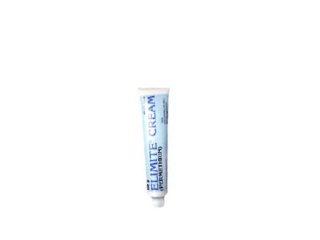
Elimite is a brand of permethrin, an insecticide medicine used to treat certain parasitic skin infestations. It works by targeting the nervous system of the parasites, helping to clear them from the skin. This guide explains what Elimite is, how it works, how to use it safely and effectively, and what to expect during treatment.
Always follow the directions provided with your medicine and any advice from a healthcare professional. If symptoms worsen or do not improve after treatment, seek medical advice.
Basic product information
| Feature | Details |
|---|---|
| Active ingredient | Permethrin |
| Common formulation | Cream (topical) – typically 5% permethrin for scabies |
| Uses | Scabies (and sometimes lice-related indications depending on formulation/strength and local guidance) |
| How it’s applied | Applied to affected skin (and sometimes whole body in specific cases) |
| Typical re-application | Often repeated after 7 days for scabies to treat newly hatched mites |
What permethrin is and how it works (mechanism of action)
Permethrin is a synthetic pyrethroid. In parasites such as scabies mites, it interferes with nerve signalling. It binds to sodium channels in the nerve cells, causing abnormal nerve impulses and ultimately killing the mites.
While permethrin can kill mites during the treatment period, some people continue to feel itching for a short time afterwards. This does not necessarily mean the infestation has failed; it may be due to your immune response to dead mites and eggs.
Pharmacokinetics (how the body handles it)
After topical application, permethrin is generally absorbed through the skin only in small amounts, especially when used as directed.
- Absorption: Limited skin absorption; the majority remains on the skin surface.
- Distribution: Any absorbed portion distributes through the body at low levels.
- Metabolism: Permethrin is broken down mainly in the liver to metabolites.
- Elimination: Metabolites are cleared primarily via the urine.
Because systemic exposure is usually low, Elimite is typically well tolerated when used appropriately on the skin.
Typical uses and indications
Elimite (permethrin) is used to treat certain infestations where the mites/parasites are sensitive to permethrin. In the UK, permethrin cream is commonly used for:
- Scabies (a contagious skin infestation caused by the scabies mite).
Scabies treatment usually involves not only treating the person with symptoms, but also treating close contacts at the same time (see “Practical use tips” below).
For other parasitic conditions (such as lice), different product strengths/formulations may be used. Always use the correct product strength and follow local guidance.
Dosing and how to apply Elimite
The exact amount depends on the area of skin to be treated and your age. The product leaflet provides specific instructions. Below is a patient-friendly overview commonly used for scabies.
For scabies (general dosing approach)
- Step 1 – Apply the cream correctly: Apply a thin layer to the entire area(s) that may be infested. For many people with scabies, this may include the whole body from the neck down (and sometimes including the scalp/face for infants or very young children, depending on clinical advice).
-
Step 2 – Pay attention to common areas: Mites often hide in specific skin folds and creases.
- Between fingers and toes
- Wrists, elbows, armpits
- Groin and buttocks
- Around waistline
- Genitals
- Skin folds
- Nails and nail beds (as advised)
- Step 3 – Leave on for the recommended time: Do not wash it off earlier than advised in the leaflet. Typical scabies guidance involves leaving it on for several hours.
- Step 4 – Reapply if advised: Many regimens include repeating the treatment at 7 days to kill mites that hatch after the first application.
If you have been advised differently (for example due to age, skin condition, or special circumstances), follow that advice.
Timing: when to use it
Many patients find evening application helpful. Reasons include:
- Less chance of bathing, swimming, or heavy activity shortly after application.
- Time to keep the cream on the skin for the recommended duration.
Plan the treatment so you can avoid washing off too early. If you must wash your hands during the treatment period, reapply a small amount to the hands according to the leaflet.
Food interactions
Elimite is applied to the skin and is not taken by mouth. Therefore, it has no direct food interaction expected for most people.
If you are treating an area that may contact clothing or bedding, ensure that treated items are handled as directed to prevent reinfestation.
Alcohol and medicine interactions
There are generally no known direct interactions with alcohol for topical permethrin.
For interactions with other medicines: because systemic absorption is usually low, significant interactions are unlikely. However, inform a healthcare professional or pharmacist if you are using:
- Other topical products on the same area (e.g., steroid creams, emollients, other insecticide treatments)
- Any medicine that affects skin integrity (e.g., strong corticosteroids, if used over large areas)
If using additional skin treatments, ask whether to apply them at different times from Elimite. In many cases, you may be advised to wait before applying moisturisers/emollients, but this depends on local guidance and the product leaflet.
Safety profile and side effects
Most people tolerate Elimite cream well, especially when used exactly as directed. Like all medicines, it can cause side effects.
Common/expected effects
- Mild skin irritation (burning, tingling, redness)
- Itching (may continue after treatment)
- Dryness or mild rash
Continued itching after treatment can be common for scabies. It does not always mean treatment failure.
Less common effects
- Contact-type skin irritation
- Swelling or more significant redness in sensitive individuals
- Rare allergic reactions
Seek urgent medical help if
- You develop signs of a severe allergic reaction (e.g., facial swelling, difficulty breathing, widespread hives)
- Severe burning, blistering, or rapidly worsening skin symptoms occur
Who should take extra care?
- Very young children: Use only as advised for age and situation.
- Pregnancy and breastfeeding: Discuss with a healthcare professional for personalised advice.
- Broken or infected skin: Follow guidance; additional medical input may be required.
- Asthma or sensitivity to insecticides/pyrethroids: Seek advice if you have a history of significant reactions.
If symptoms are severe or you are unsure whether the rash is scabies, get medical assessment before repeating treatment.
Practical use tips for best results
Successful scabies treatment depends on correct application and preventing reinfestation. Follow these steps for best outcomes:
1) Treat close contacts (to stop the cycle)
Scabies spreads through prolonged skin-to-skin contact. People who live with you or have had close contact may need treatment at the same time, even if they have no symptoms yet. Ask your healthcare professional or pharmacist about who should be treated.
2) Keep timing consistent across household members
If multiple people are treated, aim to apply treatments at the same time and repeat on the same day(s) if your regimen requires a second application.
3) Wash or manage clothing and bedding
Mites can survive off the body for a limited time. Guidance often includes washing items used recently in hot water and tumble drying (if available) or bagging items for a period as advised. The leaflet or pharmacist can provide practical recommendations.
4) Nail and skin attention
Apply carefully to areas where mites hide. Keeping fingernails short may help reduce skin damage from scratching.
5) Avoid scratching where possible
Scratching can worsen the rash and increase risk of infection. Itching can persist even when mites are dead; soothing measures may help.
6) Don’t overuse moisturisers during the treatment window
Depending on your skin and local instructions, moisturisers/emollients may be applied on days between treatments. During the permethrin treatment application window, avoid diluting the medicine unless advised.
What to expect after treatment
After scabies treatment, you may notice:
- Ongoing itch for days to weeks
- Rash persists even after mites are cleared
- New spots can appear briefly early on, particularly if eggs hatched after the first treatment
Many plans include repeating the treatment at 7 days to reduce the chance of incomplete clearance. If symptoms remain after proper treatment and repeat dosing, seek advice for confirmation and alternative approaches.
Alternative options
If permethrin is not suitable, not available, or does not clear the infestation, there are other options depending on the diagnosis and age. Possible alternatives (where appropriate) can include:
- Malathion-based preparations (often used for specific infestations such as head lice, depending on formulation and clinical judgement)
- Ivermectin (oral option used in certain cases of scabies, typically when topical therapy is unsuitable or for outbreaks—this requires clinician assessment)
- Other topical scabicides depending on what is authorised and available
- Supportive skin care such as moisturisers, emollients, and itch-relief treatments (as advised)
Because indications and licensed products differ, it’s important to confirm the condition and choose an appropriate treatment.
Market and legal context in the United Kingdom
In the UK, medicines containing permethrin are used for parasitic skin infestations and are regulated under the medicines framework operated by UK authorities. Product availability may vary between pharmacies and online sellers depending on licensing, strengths, and supply classification.
Many treatments for scabies and similar conditions are considered suitable for certain online pharmacy pathways where appropriate, provided that the correct product is supplied and customers receive clear information for safe use.
Requirements may include:
- Providing the right strength and formulation for the condition being treated
- Ensuring customers understand instructions and precautions
- Encouraging medical review if symptoms persist or diagnosis is uncertain
Recent guidance and practical clinical approach (UK)
UK clinical practice generally emphasises:
- Prompt treatment of confirmed scabies
- Simultaneous treatment of close contacts to reduce reinfestation
- Reapplication timing for permethrin regimens (often a second application at around one week)
- Management of persistent post-scabetic itch and differentiating it from treatment failure
- In outbreaks or complicated cases, consideration of alternative treatments under clinician guidance
If you are in a care home, shelter, or similar setting, follow the local outbreak protocol where available.
Delivery and availability
Elimite (permethrin) creams may be available from UK pharmacies and online pharmacy platforms. Availability can vary depending on supply schedules, formulation/strength, and pack size.
When ordering online, you can typically expect:
- UK delivery options (often standard and express choices)
- Packaging designed to protect the cream from damage
- Helpful product information at checkout or in the product page
Delivery times vary by provider. Check the delivery estimate shown at checkout, and ensure you can receive the parcel safely.
FAQ (frequently asked questions)
1) How long should I leave Elimite on my skin?
Leave it on for the duration stated in the product leaflet for your condition. Do not wash it off early. If you need to wash hands during the treatment period, follow leaflet instructions on reapplication.
2) Will I still itch after treatment?
Itching can continue even after successful scabies treatment, sometimes for days to weeks. This is often due to your immune response rather than live mites. If itch is not improving at all or symptoms worsen significantly, seek advice.
3) Do I need to treat everyone in the household?
Often, yes. Scabies spreads through close, prolonged skin contact. Close contacts may need treatment at the same time to prevent reinfestation. Ask a pharmacist or clinician who should be treated in your specific situation.
4) Do I need a second application?
Many permethrin regimens for scabies include repeating treatment about 7 days after the first application to tackle mites that hatch later. Follow your leaflet and advice provided with the medicine.
5) Can I take a bath or shower after applying Elimite?
Avoid washing it off before the recommended treatment time. After the treatment period, you can typically wash off as directed in the leaflet.
6) Is Elimite safe for children?
Elimite is commonly used for scabies in children when used correctly. Dosing and coverage can vary by age. Follow the leaflet and consult a pharmacist for guidance, especially for infants and very young children.
7) Can I use moisturisers or other creams at the same time?
It depends on timing and the advice in the product leaflet. If you plan to use moisturisers, ask a pharmacist about whether to apply them before or after permethrin and how long to wait.
8) Will Elimite affect my routine or work?
Some people prefer to apply it in the evening and keep the cream on for the prescribed duration. You may need to avoid activities that could smear the cream or make you wash it off too soon.
9) What if my symptoms don’t improve?
First check that you used the cream correctly and that close contacts were treated. Persistent itch can be expected. If there is no improvement after a complete, properly timed course (including any repeat dose), seek medical advice for reassessment.
10) What should I avoid while using Elimite?
Avoid getting the cream in your eyes or on mucous membranes. Avoid applying to large areas beyond instructions. Also avoid early washing that reduces treatment effectiveness.
Summary
Elimite (permethrin) is a topical insecticide used to treat scabies. It works by damaging the parasites’ nerve signalling and, when applied correctly, helps clear infestations. For best results, apply thoroughly to the recommended areas, follow the timing (often including a second application around one week), and treat close contacts to prevent reinfestation. If you experience severe irritation or allergy symptoms, or if symptoms persist after proper treatment, consult a healthcare professional.