Myambutol (Ethambutol Hydrochloride) — Patient Information (UK)
Myambutol contains ethambutol hydrochloride, an antibiotic medicine used as part of treatment for certain mycobacterial infections. This guide is written to help you understand what Myambutol does, how it is used, what to expect, and what precautions to consider. It is intended for patients in the United Kingdom.
Quick facts
- Medicine name: Myambutol (ethambutol hydrochloride)
- What it is used for: Treatment of infections caused by mycobacteria, most commonly as part of combination therapy for tuberculosis (TB) and for some non-tuberculous mycobacterial (NTM) infections.
- How it works: Blocks formation of mycobacterial cell wall components, helping stop growth of the bacteria.
- Key safety concern: Possible effects on vision (optic neuritis). Seek advice promptly if vision changes occur.
- Typical dosing: Doses are based on your body weight and your treatment regimen.
Basic product information
| Category | Details |
|---|---|
| Active ingredient | Ethambutol hydrochloride |
| Medicine type | Antibiotic (anti-mycobacterial) |
| Common role | Used in combination therapy for TB/NTM to reduce the risk of resistance |
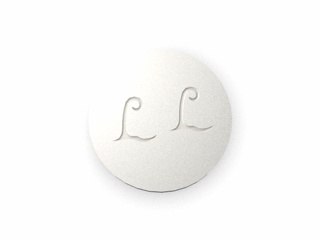
| Form | Tablets (strengths vary by product) |
Important: Always follow the dosing schedule given by your healthcare professional and the instructions on your medicine packaging.
How Myambutol works (mechanism of action)
Ethambutol targets the growth of mycobacteria. It interferes with the production of a key component of the bacterial cell wall called mycobacterial arabinogalactan by inhibiting an enzyme involved in cell wall synthesis. Without a properly built cell wall, the bacteria cannot grow and multiply effectively.
Because ethambutol has a specific action against mycobacteria and may not be sufficient alone, it is used alongside other anti-TB or anti-NTM medicines.
Pharmacokinetics (what the body does to the medicine)
- Absorption: Ethambutol is absorbed after oral administration and reaches therapeutic levels in the bloodstream.
- Distribution: It distributes through body tissues and fluids, including areas where mycobacterial infections can occur.
- Metabolism: A portion of ethambutol is metabolised (processed) in the body.
- Elimination: Most of the drug and its metabolites are eliminated primarily through the kidneys (urine). This is why kidney function can affect dosing needs.
- Half-life: The duration the medicine stays active in the body can be influenced by kidney function.
Why this matters: If you have reduced kidney function, your clinician may adjust the dose or schedule and may monitor you more closely.
Typical use in the UK
In the UK, Myambutol (ethambutol) is used for infections where ethambutol is recommended as part of a multi-drug regimen, such as:
- Tuberculosis (TB): Ethambutol is used in combination with other anti-TB medicines, particularly in the early phase of treatment.
- Non-tuberculous mycobacterial (NTM) infections: In selected cases, ethambutol may be included depending on the species, drug susceptibility, and your clinical situation.
Combination therapy is standard because it improves cure rates and helps prevent antibiotic resistance.
When to take Myambutol (timing and routine)
The exact timing depends on your prescribed regimen (daily vs intermittent schedules). Use the guidance below as a general approach:
- Follow your dosing schedule: Take ethambutol exactly as directed.
- Try to take it at the same time each day: This helps maintain consistent medicine levels.
- If you miss a dose: Do not double up unless your prescriber has advised you to. Instead, seek advice from your pharmacist or follow your specific instructions.
- Consistency matters: Complete your course and attend follow-up appointments, including any recommended eye checks.
Practical tip: Link your dose to a routine you already follow (e.g., breakfast or evening meal) to improve adherence.
Food interactions and dietary considerations
Ethambutol can generally be taken with or without food. However, individual regimens may include multiple medicines, some of which have specific food requirements.
General food guidance
- Take as directed on your prescription label: If your regimen includes medicines that must be taken with food or on an empty stomach, follow those specific instructions.
- Stay hydrated: Drinking adequate fluids can support kidney health, especially if you are taking medicines that are cleared by the kidneys.
- Maintain a normal diet: There is no universal need for a special diet solely for ethambutol.
Tell your healthcare team if you have digestive issues that affect absorption (for example, severe vomiting or diarrhoea), as this may affect how much medicine you absorb.
Alcohol interactions
Many medicines used alongside ethambutol—particularly in TB regimens—can affect the liver. Alcohol can also stress the liver and may worsen side effects.
- Avoid or minimise alcohol: To reduce the risk of liver-related side effects and overall treatment complications.
- If you choose to drink: Discuss with your healthcare professional. Safety varies based on your other medicines, liver health, and treatment stage.
Seek urgent advice if you develop symptoms such as yellowing of the skin or eyes (jaundice), dark urine, severe fatigue, or persistent nausea/vomiting.
Interactions with other medicines
Ethambutol may interact with other medicines indirectly through shared side effects or through effects on the kidneys or vision.
Medicines that may be relevant
- Other anti-TB or anti-NTM drugs: Interactions are usually managed as part of the combination regimen.
- Medicines that affect the kidneys: Because ethambutol is mainly cleared by the kidneys, kidney-affecting medicines may require monitoring or dose adjustment.
- Medicines that can affect vision or cause optic/nerve side effects: Using multiple medicines with similar potential effects may increase risk, so clinicians may monitor more closely.
Always check before starting new medicines
Tell your pharmacist or healthcare professional about all medicines you take, including:
- Over-the-counter products (e.g., pain relief)
- Herbal remedies and supplements
- Vitamin products
- Any medicines from other clinicians
Indications (what conditions it treats)
Myambutol is indicated for infections caused by mycobacteria, typically in combination regimens.
- Tuberculosis (TB): Ethambutol is used as part of combination therapy to treat drug-susceptible TB or as empiric therapy in selected situations where TB is suspected while additional tests are pending.
- Non-tuberculous mycobacteria (NTM): It may be included in treatment regimens depending on the mycobacterial species and sensitivity results.
Note: Ethambutol is not used as a treatment for ordinary bacterial infections like strep throat or typical chest infections.
Dosing information (general principles)
Doses of ethambutol are usually calculated according to body weight and your treatment plan. Your clinician will specify the exact dose and schedule for your situation.
Typical dosing approach
- Weight-based dosing: Commonly around the range used in TB regimens, but the exact dose depends on your local guideline and your regimen.
- Daily or intermittent: Some regimens use daily dosing; others use intermittent schedules depending on the indication and programme.
- Kidney impairment: If kidney function is reduced, the dose and/or frequency may be adjusted to reduce the risk of accumulation and side effects.
How to take tablets
- Swallow tablets with water.
- Do not crush or split unless the packaging or instructions advise this is appropriate.
- If you have difficulty swallowing, talk to your pharmacist about suitable options.
It is essential to take ethambutol for the full duration recommended by your treatment team.
Safety profile and important precautions
Most people tolerate Myambutol well when monitored appropriately. However, it has specific risks that require awareness—especially regarding vision.
Vision-related adverse effects (key warning)
Ethambutol can affect the optic nerve and may cause:
- Reduced visual acuity (blurry or less sharp vision)
- Changes in colour vision
- Visual field defects
- Eye pain or discomfort (sometimes)
Seek medical advice promptly if you notice any new vision changes. In many TB programmes, baseline and periodic eye checks are performed, particularly at higher doses or in people with risk factors.
Other possible side effects
Not everyone experiences side effects, but they may include:
- Gastrointestinal effects: nausea, abdominal discomfort
- Headache or general unwell feeling
- Rash (uncommon)
- Elevated liver enzymes (risk is often related to combination therapy; monitoring may be needed)
- Peripheral neuropathy (more likely with higher risk regimens or long durations—your clinician will consider overall risk)
Higher risk situations
You may need extra caution and monitoring if you have:
- Reduced kidney function
- Pre-existing eye conditions
- High ethambutol dose or prolonged therapy duration
- Use of other medicines that can affect vision or nerves
When to get urgent help
Contact urgent medical care or your local emergency services if you experience:
- Sudden vision loss or rapidly worsening vision
- Signs of severe allergic reaction (swelling of face/lips, trouble breathing)
- Severe rash with blistering or peeling skin
- Severe symptoms of liver injury (jaundice, severe persistent vomiting, confusion)
Practical use tips for best results
- Attend scheduled monitoring: In TB and NTM treatment, monitoring may include blood tests and eye checks.
- Do not stop suddenly: Stopping or skipping doses can lead to treatment failure and antibiotic resistance. If you think you are having side effects, speak to a healthcare professional promptly rather than stopping on your own.
- Keep track of doses: Use a daily checklist or reminder app to improve adherence.
- Check your vision: If you have concerns, report them early. Early assessment can be important.
- Report other symptoms: Tell your clinician about numbness, tingling, worsening weakness, or new severe headaches.
- Hydration and kidney health: Maintain adequate fluid intake unless you’ve been advised to restrict fluids.
Alternative options (general overview)
Whether another medicine is appropriate depends on the specific infection, bacterial sensitivity, severity, and your medical history. Ethambutol is one component; the regimen often includes multiple medicines.
Possible alternatives in anti-mycobacterial therapy may include other agents with activity against mycobacteria (selected by your treatment team). Examples of medicines used in TB/NTM regimens in the UK include:
- Rifamycins (e.g., rifampicin, rifapentine where applicable)
- Isoniazid
- Pyrazinamide
- Streptomycin or other agents for specific circumstances
- Other drugs used for NTM depending on species and sensitivity testing
Important: Do not replace ethambutol with another antibiotic on your own. Treatment selection depends on microbiology results, guideline recommendations, and your overall safety profile.
UK market and legal context (availability and responsibilities)
In the United Kingdom, medicines containing ethambutol are supplied through healthcare services and are subject to national prescribing, dispensing, and regulatory requirements. Supply and use are governed by UK medicines legislation, the NHS medicines pathways, and guidance from professional bodies.
What this means for you:
- Supply is typically coordinated by healthcare providers as part of structured treatment (particularly for TB).
- Monitoring requirements (especially vision checks and blood tests) are often integrated into clinical programmes.
- Always follow instructions from your clinical team and the medicine packaging.
Recent guidance (high-level)
Guidance for TB treatment in the UK continues to emphasise:
- Combination therapy to prevent drug resistance
- Adherence through patient support and monitoring
- Safety monitoring tailored to the regimen (including eye monitoring for ethambutol)
- Testing and susceptibility results guiding regimen choice
Local NHS and specialist TB services may follow specific protocols for regimen duration, monitoring frequency, and management of adverse effects.
Delivery and availability (online pharmacy information)
Availability can vary by strength and current stock. When you order through an online pharmacy, delivery options may include:
- Standard delivery for non-urgent orders
- Estimated delivery times displayed at checkout
Storage: Keep tablets in a safe place, away from moisture and out of sight of children. Follow the storage instructions on the package (typically “store below 25°C” or similar).
Contact us if: You need help with checking whether the correct strength is available or if you have questions about your supply timeline.
FAQ — Frequently asked questions
1) What is Myambutol used for?
Myambutol (ethambutol) is used to treat infections caused by mycobacteria, most commonly as part of combination therapy for tuberculosis and in some non-tuberculous mycobacterial infections. It is not used for typical common bacterial infections.
2) How long will I need to take it?
The duration depends on your diagnosis, test results, and the regimen you are on. TB and some NTM infections require prolonged treatment. Always follow your clinical programme’s schedule.
3) When should I take my dose each day?
Take it at the time(s) specified by your treatment plan, ideally at the same time each day. If your regimen is intermittent, follow the exact schedule provided. If you miss a dose, seek advice from your pharmacist rather than doubling up.
4) Can I take Myambutol with food?
Ethambutol can usually be taken with or without food. However, your full regimen may include medicines with specific dietary instructions. Follow the instructions for each medicine in your combination.
5) What if I start to notice vision changes?
Stop and seek urgent medical advice promptly if you notice any new vision problems such as blurred vision, colour changes, or difficulty seeing clearly. Vision monitoring is especially important during ethambutol treatment.
6) Does alcohol affect Myambutol?
Alcohol is not specifically “forbidden” by ethambutol alone, but alcohol can increase the risk of side effects—particularly liver-related side effects—when ethambutol is used alongside other TB medicines. It is usually best to avoid or minimise alcohol and discuss with your healthcare professional.
7) Are there tests or monitoring I will need?
Monitoring commonly includes:
- Eye checks (vision testing) to detect early changes
- Blood tests to monitor safety, especially when taking combination therapy
- Kidney function assessment if relevant
8) What medicines should I avoid mixing with it?
You should discuss all medicines you take with your pharmacist/clinician. In particular, mention medicines that affect:
- Kidney function
- Vision or optic nerve health
- The liver (if you are on other TB medicines)
9) What should I do if I have kidney problems?
Tell your clinician if you have kidney disease or reduced kidney function. Your ethambutol dose or schedule may need adjustment, and you may require closer monitoring.
10) What are the signs of a serious allergic reaction?
Seek urgent help if you experience swelling of the face/lips, rash with breathing difficulty, wheezing, or severe skin reactions.
Summary
Myambutol (ethambutol hydrochloride) is an anti-mycobacterial antibiotic used in combination regimens to treat infections such as tuberculosis and selected non-tuberculous mycobacterial infections. It works by interfering with mycobacterial cell wall synthesis. Because ethambutol is mainly cleared by the kidneys and can affect the optic nerve, careful dosing and monitoring—particularly for vision changes—are important.
If you have questions about how to take Myambutol, possible side effects, or interactions with your other medicines, speak to a healthcare professional or your pharmacist promptly.