Uniphyl Cr (Theophylline) – Patient Guide (UK)
Uniphyl Cr contains theophylline, a medicine used to help open the airways and ease breathing in some long-term lung conditions. This page explains how Uniphyl Cr works, how it’s taken, common interactions, safety points, and practical guidance for living with chronic respiratory symptoms.
Always follow the advice provided by your healthcare professional and the instructions on the medicine label. If anything is unclear, speak to a pharmacist.
1) Basic product information
| Feature | Details |
|---|---|
| Medicine name | Uniphyl Cr (Theophylline) |
| Active ingredient | Theophylline |
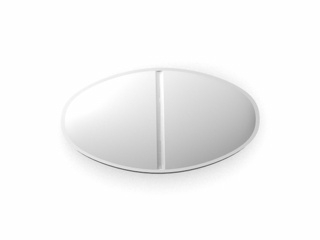
| CR / Modified release | “Cr” indicates controlled/modified release to help the drug last longer |
| Common dosage strengths | Available in different strengths depending on local supply (your pack will show the strength) |
| How it’s taken | Oral (by mouth), usually once or twice daily depending on your regimen |
| Why it’s used | To reduce symptoms and prevent worsening of certain respiratory conditions |
2) What theophylline does (mechanism of action)
Theophylline is a bronchodilator (it helps widen the airways). It works in several ways:
- Airway relaxation: It helps relax smooth muscle in the airways, making it easier to breathe.
- Anti-inflammatory effects: It can reduce some inflammatory processes that contribute to breathing difficulties.
- Improved mucus clearance: It may support normal airway function to move mucus out of the lungs.
- Muscle and nerve effects: Theophylline also influences signalling pathways in the body, which helps improve breathing.
Because Uniphyl Cr is a modified-release form, it is designed to release theophylline gradually to maintain levels for longer periods.
3) Pharmacokinetics (how the body processes Uniphyl Cr)
“Pharmacokinetics” describes what the body does to a medicine—absorption, distribution, metabolism, and elimination. Theophylline has a narrow safety range, meaning levels can become too low (less effective) or too high (more side effects) if dosing or interactions change.
Absorption
- Uniphyl Cr is modified/controlled release, so the drug is absorbed over time rather than quickly.
- Timing and consistency matter—taking doses the same way each day helps maintain stable levels.
Distribution
- Theophylline distributes into body tissues, including the lungs.
- It is influenced by factors like age and liver function.
Metabolism
- Theophylline is mainly metabolised in the liver.
- Several medicines, smoking, and illness can change metabolism, affecting theophylline levels.
Elimination
- The drug is eliminated primarily via the kidneys.
- Kidney or liver impairment may change clearance and increase the risk of side effects.
In practice, some patients may need blood level monitoring to keep theophylline within a safer therapeutic range—especially if therapy is started, stopped, or if interacting medicines are added.
4) What Uniphyl Cr is used for (indications)
Uniphyl Cr/theophylline is used to treat long-term respiratory conditions where airway narrowing and breathing symptoms persist. Typical indications include:
- Chronic Obstructive Pulmonary Disease (COPD) (in some patients, particularly as an add-on option where symptoms persist despite standard therapy).
- Asthma (for selected patients as an additional maintenance option, depending on individual suitability and local clinical practice).
Theophylline is generally used as part of a broader management plan that may include inhalers such as inhaled corticosteroids and bronchodilators. It is not a “rescue” medicine for sudden attacks.
5) Typical use and expectations
Uniphyl Cr works over time to help reduce breathlessness and improve daily symptoms. Many people notice improvement within days, but the full benefit may take longer.
Important points for patient expectations:
- Maintenance, not immediate relief: Uniphyl Cr is for prevention and control rather than instant treatment of acute symptoms.
- Consistency matters: Taking doses at the correct times helps maintain steady levels.
- Side effects may signal high levels: Because theophylline can build up, symptoms like nausea, tremor, palpitations, or restlessness may need prompt review.
6) How to take Uniphyl Cr (timing and dosing guidance)
Your exact dose and schedule depend on your age, response, other medicines, and any monitoring results. Always use the dosing plan on your label.
General timing principles
- Take it at the same times each day to keep blood levels stable.
- If you take it twice daily, follow the interval recommended by your prescriber (often about 12 hours).
- If you take it once daily, follow your label instructions exactly.
How to swallow CR tablets/capsules
- Do not crush, chew, or break modified-release tablets unless your specific product instructions say you may.
- Swallow whole with water.
- If you have difficulty swallowing, speak to a pharmacist—there may be alternative formulations or approaches.
Food and drink timing
Food can affect theophylline absorption and stomach tolerance for some people. For many patients, taking it with food improves comfort; however, consistency is the key. Follow your healthcare professional’s advice about whether to take it with meals.
7) Food interactions
While theophylline doesn’t have as many dietary rules as some medicines, several food-related factors are worth noting:
- High-caffeine drinks/foods: Coffee, some teas, energy drinks, chocolate in large amounts, and caffeine supplements may increase stimulation and side effects (such as tremor or palpitations).
- Diet consistency: If you notice symptoms after particular meals, keep track and ask your pharmacist whether timing changes are needed.
- Grapefruit and similar products: These can affect liver enzymes for some medicines. If you regularly consume grapefruit or related products, ask whether it’s safe with theophylline in your situation.
If your clinician advises blood level monitoring, diet changes that alter your caffeine intake may also be relevant.
8) Alcohol and medicine interactions
Alcohol
Alcohol may increase side effects (such as dizziness, stomach upset, or sleep disturbance) and may also affect liver function. It is best to limit alcohol and avoid binge drinking. If you drink alcohol regularly, discuss your intake with a healthcare professional.
Common medicine interactions
Some medicines can raise theophylline levels (increasing risk of toxicity), while others can lower them (reducing effect). Tell your pharmacist about all medicines you use, including over-the-counter products and herbal remedies.
Examples of medicines that can interact with theophylline include:
- Certain antibiotics (for example, macrolides such as clarithromycin or erythromycin; and some other antibiotics).
- Medicines for infections (some antifungals and antivirals can affect metabolism).
- Medicines for heart rhythm or other cardiovascular conditions.
- Some antidepressants and other neurological medicines.
- Epilepsy medicines (some can lower theophylline levels).
- Cimetidine (a medicine for stomach acid) can increase theophylline levels.
- Smoking changes: Stopping smoking can raise theophylline levels; starting smoking can lower them.
Because theophylline interacts with a wide range of medicines, always check before starting anything new. Your pharmacist can advise on specific interactions for your medicine list.
9) Safety profile and side effects
Like all medicines, Uniphyl Cr/theophylline can cause side effects. Most people tolerate it, but because theophylline can accumulate, side effects can sometimes indicate levels are too high.
Common side effects
- Nausea or indigestion
- Headache
- Restlessness or feeling “wired”
- Sleep disturbance
- Diarrhoea
- Tremor (shaking)
More serious signs of high theophylline levels
Seek urgent medical advice if you experience symptoms that may suggest toxicity, such as:
- Fast, irregular heartbeat or palpitations
- Persistent vomiting
- Severe agitation or confusion
- Fainting
- Seizures (fits)
Who should be especially careful
- People with liver disease or reduced liver function
- People who are older (risk may be higher due to changes in clearance)
- People who have heart rhythm disorders
- People with stomach ulcers or severe gastro-intestinal sensitivity
- People who start or stop smoking
- People with multiple medicines that may interact with theophylline
10) Practical use tips (getting the best from Uniphyl Cr)
- Use a routine: Link doses to a daily habit (e.g., after breakfast and before bed) to reduce missed doses.
- Don’t double up: If you miss a dose, take it when you remember unless it’s close to your next dose—then skip the missed dose. Check with your pharmacist if you’re unsure.
- Avoid extra caffeine: Reduce coffee/tea/energy drinks, especially if you’re noticing tremor, palpitations, or disturbed sleep.
- Check new medications: Antibiotics, antifungals, stomach acid medicines, and some antidepressants can all matter. Ask your pharmacist before starting anything new.
- Watch for changes: If you become unwell (fever, infections), your metabolism may shift. Contact your healthcare team for advice if symptoms change.
- Keep an eye on side effects: Mild nausea may be manageable, but palpitations, marked tremor, or persistent vomiting should be reviewed promptly.
11) Alternatives and comparison options
COPD and asthma management in the UK often prioritises inhaled therapies first (such as inhaled bronchodilators and inhaled corticosteroids for appropriate patients). Depending on your condition and severity, alternatives to theophylline may include:
- Inhaled long-acting bronchodilators (LABA/LAMA) for COPD
- Inhaled corticosteroids or combination inhalers for selected asthma patients
- Leukotriene receptor antagonists (for some asthma phenotypes)
- Short-acting bronchodilators for rescue (for sudden symptoms)
- Other add-on oral options depending on your individual case and clinical judgement
Which option suits you best depends on your diagnosis (COPD vs asthma), current symptoms, inhaler technique, exacerbation history, and tolerance of medicines. Discuss with your healthcare professional before switching.
12) UK market and legal/regulatory context (overview)
In the United Kingdom, medicines are regulated and supplied in line with national frameworks and pharmacy standards. Theophylline products such as Uniphyl Cr are used under established clinical practice for appropriate respiratory conditions.
Online pharmacy supply typically follows UK requirements for medicine handling, identification checks (where applicable), and adherence to legal distribution standards. Availability can vary by strength and supply chain.
Recent clinical emphasis in respiratory care:
- Continued focus on optimising inhaler therapy (including correct technique).
- Use of add-on treatments tailored to symptoms, exacerbation risk, and patient preference.
- Recognition of medicines with narrow therapeutic windows and the need for careful monitoring and interaction checks where relevant.
13) Recent guidance and monitoring considerations
Clinical recommendations for asthma and COPD evolve over time, and local protocols may adjust how add-on oral treatments are used. In general, theophylline therapy is managed with caution due to:
- The potential for drug interactions to alter theophylline levels.
- The risk of side effects if levels are too high.
- The importance of reviewing effectiveness and tolerability regularly.
In some patients, clinicians may consider blood test monitoring (theophylline levels) when starting therapy, changing doses, adding interacting medicines, or if symptoms suggest toxicity or reduced response.
14) Delivery and availability in the UK
Availability of Uniphyl Cr can vary by strength and formulation due to manufacturing and logistics. When a particular strength is temporarily unavailable, some online pharmacies may offer back-in-stock alerts.
- Dispatch times: Many orders are dispatched shortly after order confirmation during business days. Delivery speed depends on the chosen courier/service.
- Packaging: Medicines are typically supplied in compliant pharmacy packaging to protect the product and provide clear labelling.
- Storage: Store the medicine as directed on the pack—generally at room temperature and away from moisture and heat.
If you need your medicine urgently, check the website’s delivery estimates and consider contacting customer services for the most up-to-date information.
15) Dosage details (what patients typically need to know)
Dosing must be individualised. Your label will indicate: strength, how many tablets/capsules, and how often.
Factors that may change your dose
- Age
- Liver function (or liver impairment)
- Interacting medicines
- Smoking status changes
- Response and tolerability
Do not change your dose without advice
Because of the narrow safety window, increasing or decreasing theophylline on your own can increase the risk of side effects or reduce effectiveness.
16) Missed dose and what to do
If you miss a dose of Uniphyl Cr:
- Take it when you remember if it’s not too close to the next scheduled dose.
- Skip the missed dose if it’s near the time for the next dose.
- Do not double up.
If you’re unsure, speak to a pharmacist. If you have missed multiple doses or you are experiencing side effects, seek advice promptly.
17) FAQ about Uniphyl Cr (Theophylline)
Can I take Uniphyl Cr with food?
Many people find it easier on the stomach when taken with food, but the key is to keep your routine consistent. Follow your healthcare professional’s instructions and the pack guidance.
What time of day should I take it?
Take it at the times stated on your label. If you take it twice daily, spacing doses evenly (often around 12 hours) may be important. If it affects your sleep, speak to your pharmacist—your dosing schedule may be adjusted.
Is Uniphyl Cr a reliever for sudden breathlessness?
No. Uniphyl Cr/theophylline is intended as a maintenance treatment. For sudden symptoms, you should use your prescribed reliever inhaler or other rescue plan.
Can I drink coffee or energy drinks?
It’s usually wise to limit caffeine. High caffeine intake can increase jitteriness, tremor, and palpitations. If you notice side effects, reduce caffeine and talk to your pharmacist.
What medicines should I avoid or be careful with?
Some antibiotics, antifungals, medicines for stomach acid, certain antidepressants, epilepsy medicines, and other drugs can affect theophylline levels. Always check with your pharmacist if you’re starting, stopping, or changing any medication.
What should I do if I experience palpitations or severe restlessness?
Those may be signs that theophylline levels are too high. Stop taking further doses and seek prompt medical advice (or urgent care depending on severity). If you feel faint, very unwell, or have chest pain, seek emergency help.
Is it safe to stop smoking if I’m taking Uniphyl Cr?
Stopping smoking can change how theophylline is metabolised, potentially raising levels. If you plan to quit or have recently quit, tell your healthcare team so they can advise on monitoring and dose adjustment if needed.
Can I drink alcohol while taking Uniphyl Cr?
Alcohol may increase side effects and affect the liver. Limit alcohol and avoid binge drinking. Discuss with your healthcare professional if you drink regularly.
Are there alternative medicines if Uniphyl Cr doesn’t suit me?
Yes. Depending on whether you have asthma or COPD and your current regimen, alternatives may include different inhaler strategies and other add-on treatments. A pharmacist or clinician can help you discuss options.
Will I need blood tests?
Some patients may need blood level monitoring to help keep theophylline within a safe and effective range—especially at initiation, after dose changes, after adding interacting medicines, or if there are symptoms suggesting high or low levels.
Summary
Uniphyl Cr (theophylline) is a modified-release medicine that helps widen airways and support long-term control of symptoms in some respiratory conditions such as COPD or selected asthma patients. Because theophylline can be affected by interactions and changes in metabolism, it requires careful use, consistent timing, and awareness of side effects—particularly those that could indicate high levels.
If you have questions about taking Uniphyl Cr alongside your other medicines, caffeine, alcohol, or if you’re unsure about timing, speak to a pharmacist for tailored advice.