Ketoconazole: Patient-Friendly Guide (UK)
Ketoconazole is an antifungal medicine used to treat and prevent fungal infections. It works by stopping fungi from making essential substances they need to survive and spread. Depending on the formulation, ketoconazole can be used for a range of skin and scalp conditions, and in some cases for certain systemic (internal) fungal infections.
This page explains how ketoconazole works, how it’s used, common interactions (including with food and alcohol), safety information, and practical tips to help you use it effectively in the United Kingdom.
1. Basic product information
- Active ingredient: Ketoconazole
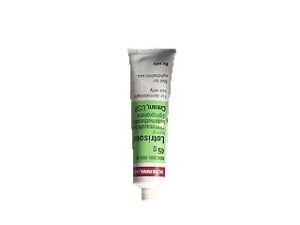
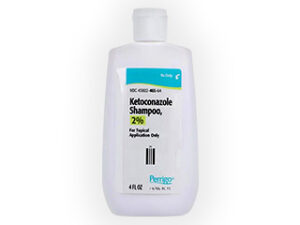
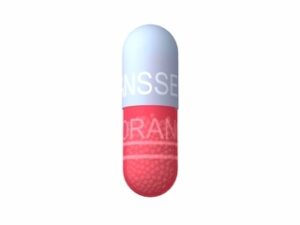
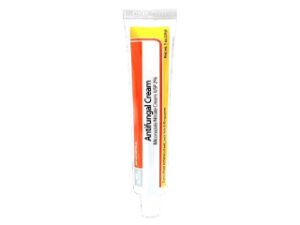
- Medicinal form(s): Cream, shampoo, oral tablet (availability varies; see UK notes below)
- Medicinal category: Antifungal
- Common brand names: May vary by product and manufacturer
Important UK note: The safety profile of oral ketoconazole has been closely restricted in the UK and elsewhere due to risk of serious liver injury. Many ketoconazole products used in community pharmacies are therefore topical (such as creams and shampoos). Always check the specific product you’re buying for the correct instructions and warnings.
2. How ketoconazole works (mechanism of action)
Ketoconazole is an antifungal agent. It interferes with the fungus’s ability to build and maintain cell structures by blocking key enzymes involved in producing ergosterol—a vital component of fungal cell membranes.
- Reduced ergosterol formation weakens the fungal cell membrane
- Fungi become less able to grow and multiply
- Over time, infection symptoms improve as fungal burden decreases
Ketoconazole’s effect is most relevant for infections caused by susceptible fungi, including many yeasts and dermatophytes (depending on location and product formulation).
3. Pharmacokinetics (what the body does to it)
Pharmacokinetics describes how a medicine is absorbed, distributed, metabolised, and eliminated. This can differ significantly between topical and oral formulations.
Topical ketoconazole (cream, shampoo)
- Absorption: Generally low through intact skin. Absorption increases if applied to large areas, broken skin, or under occlusion.
- Systemic exposure: Typically much lower than with oral tablets.
- Metabolism & elimination: Any absorbed portion is metabolised (primarily in the liver) and eliminated by the body.
Oral ketoconazole (tablets) — safety matters
- Absorption: Oral absorption can be affected by stomach acidity (see food interactions).
- Metabolism: Extensively metabolised, with potential liver safety concerns.
- Elimination: Cleared through metabolism and excretion pathways.
Because of the above, the risk/benefit balance is very important—particularly for oral use.
4. Typical use in the UK (indications)
Ketoconazole indications depend on the formulation.
Common uses for ketoconazole creams
- Fungal skin infections (e.g., athlete’s foot, ringworm, fungal infections of the groin—depending on local prescribing and product licensing)
- Cutaneous candidiasis (yeast-related skin infections, depending on the product)
Common uses for ketoconazole shampoos
- Dandruff (seborrhoeic dermatitis of the scalp)
- Seborrhoeic dermatitis control and flare prevention
- Other scalp yeast-related conditions (where ketoconazole shampoo is indicated)
Oral ketoconazole
Oral ketoconazole has historically been used for more serious fungal infections. However, due to potential liver toxicity, UK recommendations have become more restrictive. If you have an oral ketoconazole product, follow the specific instructions provided with that medicine and do not use it unless advised by a suitable healthcare professional.
5. Dosing and timing
Always follow the directions supplied with your specific ketoconazole product. Dosing varies with the site of infection, severity, and the formulation strength.
Topical ketoconazole cream (typical approach)
- Frequency: Often once or twice daily, depending on the condition and product label.
- Duration: Commonly 2–4 weeks for skin conditions, but this can vary. Continue for the full course even if symptoms improve early.
- Amount: Apply a thin layer to the affected area and a small margin of surrounding skin.
Ketoconazole shampoo (typical approach for dandruff/seborrhoeic dermatitis)
- Frequency: Frequently used 2–3 times per week during initial control, then less often for maintenance.
- Contact time: Leave on the scalp for a few minutes before rinsing (commonly 3–5 minutes), unless the product instructions state otherwise.
- Consistency: The condition may recur, so maintenance use may be needed.
Oral ketoconazole (if applicable)
Oral dosing should be guided by the product licence and clinician guidance, because of higher systemic exposure and safety considerations.
6. How to use ketoconazole safely (practical tips)
- Clean and dry first: Apply cream to clean, dry skin.
- Wash hands: Wash your hands before and after application.
- Cover the area: Use a thin layer on the affected skin; avoid excess.
- Don’t stop early: Even if symptoms improve, continuing the course reduces the risk of relapse.
- For scalp use: Wet hair, apply shampoo to scalp, leave for the recommended contact time, then rinse thoroughly.
- Avoid eyes and mouth: If accidental contact occurs, rinse well with water.
- Keep it consistent: Missed doses can reduce effectiveness, especially for shampoo routines.
What to expect
- Skin infections: Often begin improving within 1–2 weeks, but full clearance may take longer.
- Scalp conditions: Itchy flaking may reduce after several washes, but flare-ups can return without maintenance.
If symptoms worsen, do not improve after the expected timeframe, or spread, seek advice from a pharmacist or healthcare professional.
7. Food interactions (and stomach acidity)
Food interactions are most relevant for oral ketoconazole. Absorption of oral ketoconazole can depend on stomach acidity.
- Acid-reducing medicines (e.g., some antacids and acid-suppressing treatments) may reduce absorption.
- Take note of instructions: If you’re using an oral product, follow the dosing advice on the label regarding timing relative to meals.
Topical ketoconazole (creams/shampoo) is unlikely to have significant food interactions because systemic absorption is generally low.
8. Alcohol and medicine interactions
Alcohol
For most people using topical ketoconazole, alcohol is not expected to cause direct interaction. However, with oral ketoconazole there are important considerations due to the medicine’s liver safety profile.
- If using oral ketoconazole, avoid or minimise alcohol, particularly if you have any history of liver problems.
- Heavy alcohol use can increase stress on the liver and may compound risk.
Other medicines
Ketoconazole may interact with other medicines, especially those metabolised by liver enzymes. This is particularly relevant for oral ketoconazole. Common interaction themes include:
- Medicines that affect liver enzymes (can increase or decrease ketoconazole levels)
- Medicines that prolong the QT interval (some antifungals may affect heart rhythm risks)
- Medicines requiring acidic stomach conditions for absorption
If you are taking any regular medicines, check with a pharmacist—especially if you’re using an oral ketoconazole product or have multiple medications.
9. Safety profile and side effects
Like all medicines, ketoconazole can cause side effects. Many are mild, but some require urgent medical attention—particularly with oral use.
Common side effects (more typical with topical products)
- Skin irritation (redness, itching, burning)
- Dryness or mild flaking
- Stinging after application
- For shampoo: scalp irritation or dryness
Serious side effects (especially relevant to oral ketoconazole)
Oral ketoconazole has been associated with serious liver injury. Seek urgent medical advice if you notice:
- Yellowing of the skin or eyes (jaundice)
- Dark urine
- Severe tiredness or malaise
- Persistent nausea/vomiting or loss of appetite
- Right upper abdominal pain
Allergic reactions
Get urgent help if you develop signs of allergy such as:
- Swelling of the face, lips, tongue, or throat
- Difficulty breathing
- Widespread rash or hives
Who should take extra care?
- Liver disease or previous abnormal liver tests
- People taking multiple medicines (higher risk of interactions)
- Pregnancy or breastfeeding: Safety depends on formulation and medical context—ask a pharmacist or clinician if you’re unsure.
- Children: Use only products and dosing appropriate for age and indication.
10. Safety when applying ketoconazole (when to stop and seek advice)
Consider stopping and getting advice if:
- Your rash or irritation becomes severe
- You develop signs of allergy
- You have no improvement after the expected timeframe (commonly 2 weeks for skin infections or several weeks for scalp conditions)
- The infection worsens, spreads, or you develop fever
Fungal infections can sometimes resemble other skin conditions. If symptoms persist, a healthcare professional may need to confirm the diagnosis.
11. Alternative options
Depending on the type and location of the fungal infection, other antifungals may be suitable. Alternatives can include:
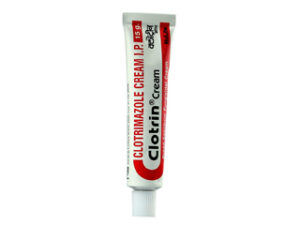
- Other topical antifungals: clotrimazole, miconazole, terbinafine, ciclopirox (depending on indication)
- Oral antifungals (for certain infections): terbinafine, itraconazole, fluconazole (choice depends on infection type and patient factors)
- Supportive measures: maintaining dry skin, changing socks/underwear regularly, and treating footwear for athlete’s foot (where relevant)
A pharmacist can help you select a suitable option if ketoconazole doesn’t appear to be appropriate for your symptoms or product availability.
12. Recent guidance and UK context
In the UK, antifungal treatment choices are shaped by clinical guidance and safety updates. In recent years, increased attention has been given to the risk of liver injury with oral ketoconazole. As a result:
- Oral ketoconazole is generally subject to tighter restrictions compared with many other antifungals.
- Where antifungal therapy is needed internally, clinicians often consider alternatives with a better safety profile for that specific infection.
- Topical ketoconazole remains widely used for appropriate skin and scalp indications.
For the most up-to-date advice specific to your condition, ask a pharmacist or consult reputable UK healthcare sources.
13. Delivery and availability (UK)
Ketoconazole products may be available as creams and shampoos from online pharmacies and other UK retailers, subject to stock, formulation, and local regulations. Availability varies by:
- Strength and pack size
- Whether the medicine is topical or oral
- Supply chain and manufacturer availability
Delivery: Most online pharmacies in the UK provide standard and expedited delivery options. Delivery times depend on your location and the cut-off time for dispatch. You will typically be given tracking information once the parcel is shipped.
What to check before ordering:
- The exact product type (cream vs shampoo vs oral tablet)
- The strength and directions for use
- Expiry date and storage instructions
14. Storage and disposal
- Storage: Follow the label. Many medicines should be stored below a specified temperature and kept out of direct sunlight.
- Keep out of reach of children.
- Disposal: Return unused medicine to a pharmacy for safe disposal where applicable, or follow local guidance.
15. Quick dosing guide (for common topical products)
| Condition (common example) | Typical ketoconazole form | How to use (general) | Typical timing |
|---|---|---|---|
| Dandruff / seborrhoeic dermatitis | Ketoconazole shampoo | Apply to scalp, leave for a few minutes, then rinse | Often 2–3 times per week initially; maintenance may follow |
| Fungal skin infection (varies by site) | Ketoconazole cream | Apply a thin layer to affected skin and surrounding margin | Often once/twice daily; continue for the full course |
Note: This table gives general patterns. Always refer to the exact product instructions provided with your ketoconazole medicine.
16. FAQ
How long does ketoconazole take to work?
Many people notice improvement within 1–2 weeks for skin infections, while scalp symptoms often take several washes to settle. You should still complete the recommended course. If there’s no improvement after the expected period, seek advice.
Can I use ketoconazole if my skin is broken or very irritated?
Use caution. If the area is significantly broken, absorption can increase and irritation may worsen. Check the product leaflet and ask a pharmacist if you’re unsure—especially if the skin is cracked, oozing, or looks infected beyond typical fungal features.
Should I stop when I feel better?
No—generally you should continue for the full course or treatment period. Stopping early can allow the fungus to rebound and symptoms to return.
Is ketoconazole safe to use with other antifungal products?
Sometimes switching between products is appropriate, but combining multiple antifungals on the same area may increase irritation without improving results. Ask a pharmacist if you’re considering using more than one product.
Is ketoconazole the same as other antifungal medicines?
No. Ketoconazole is different from other antifungals such as clotrimazole, terbinafine, and fluconazole. Which one is best depends on infection type, location, and your health background.
Can I drink alcohol while using ketoconazole?
With topical ketoconazole, alcohol is generally not a direct concern. With oral ketoconazole, alcohol may be riskier due to possible liver effects—minimise or avoid alcohol and follow medical advice.
Does ketoconazole shampoo stain hair or clothes?
Ketoconazole shampoos are not usually known for permanent staining, but dyes and different hair treatments can interact. Rinse thoroughly and follow the product instructions.
What if symptoms come back after treatment?
Relapse can happen, especially with scalp conditions or if the underlying trigger remains. Maintenance use is sometimes recommended for dandruff/seborrhoeic dermatitis. If recurrence is frequent, ask a pharmacist or clinician for review.
Can I use ketoconazole during pregnancy or breastfeeding?
Safety depends on the formulation and your specific situation. Many topical antifungals may be considered, but you should check the product leaflet or ask a pharmacist for personalised guidance.
Are there any warning signs that mean I should seek urgent help?
Seek urgent medical advice if you develop signs of allergic reaction (breathing difficulty, swelling of face/lips/tongue) or, for oral ketoconazole, any signs of liver problems such as jaundice, dark urine, severe fatigue, or persistent nausea/vomiting.
Disclaimer: This information is provided for general education and does not replace the advice on your medicine’s leaflet or guidance from a healthcare professional. If you’re uncertain about your symptoms or which formulation is suitable, contact a pharmacist for support.