Miconazole: Uses, How It Works, and Practical Guidance (UK)
Miconazole is an antifungal medicine used to treat a variety of fungal infections. It is available in different forms, including creams, gels, pessaries, and oral products depending on the condition and age of the person being treated. This guide is designed to help you understand what miconazole is, how it works, how to use it safely, and what to consider regarding other medicines, food, and alcohol.
Always follow the instructions provided with your specific product and consult a healthcare professional if symptoms are severe, persistent, or repeatedly returning.
Basic product information
| Feature | Information |
|---|---|
| Active ingredient | Miconazole |
| Medicine type | Antifungal (imidazole) |
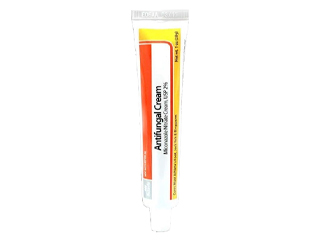
| Common forms | Cream, gel, pessary, oral gel (varies by product) |
| Common conditions treated | Skin fungal infections, oral thrush, and some vaginal fungal infections (depending on formulation) |
| Availability (UK) | Many miconazole products are available from pharmacies and some supermarkets; exact availability depends on the formulation |
How miconazole works (mechanism of action)
Miconazole belongs to the imidazole class of antifungals. It works by interfering with the production of a key component of fungal cell membranes, called ergosterol.
- By blocking certain fungal enzymes involved in ergosterol synthesis, miconazole damages the fungal cell membrane.
- This disrupts normal fungal growth and reproduction, helping the body clear the infection.
- Depending on the organism and infection site, miconazole may act fungistatically (slowing growth) or fungicidally (killing fungi).
Importantly, even if symptoms start improving, it’s still important to complete the full course as advised for the specific product.
Pharmacokinetics: what the body does with miconazole
How much miconazole is absorbed depends heavily on the route and formulation. In general:
- Topical skin products (cream/gel): Only a small amount is typically absorbed through intact skin. Absorption can be higher if the skin is inflamed, broken, or treated over larger areas.
- Vaginal products (pessaries/creams): Absorption is generally limited, but local action is the main effect.
- Oral gel products (e.g., for mouth thrush): Absorption may be limited compared with swallowing tablets, but formulation-specific advice should always be followed.
Miconazole is metabolised in the liver. Any absorbed portion is eliminated via normal body processes, mainly through bile and urine (details vary by formulation and exposure).
If you are using miconazole over large areas for long periods, on damaged skin, or alongside other interacting medicines, discuss with a pharmacist or clinician for personalised advice.
Typical uses of miconazole in the UK
Miconazole is used for fungal infections. The specific indication depends on the formulation you have. Common examples include:
- Skin fungal infections such as tinea (ringworm), athlete’s foot, and fungal infections of the groin (where appropriate for the licensed product).
- Candidal infections of skin folds (e.g., redness and irritation in moist areas).
- Oral thrush (oral gel products) in adults and children, depending on age and product type.
- Vaginal thrush (where licensed for that formulation, e.g., pessaries or creams containing miconazole).
Miconazole targets fungi, but it does not treat bacterial infections. If symptoms look like infection caused by bacteria (e.g., spreading warmth, severe pain, fever, pus with honey-coloured crusts), you should seek medical advice.
Indications: when miconazole may be appropriate
You can think of miconazole as suitable when symptoms and appearance suggest a fungal condition. Examples of common clues include:
- Itch and redness in skin folds or between toes, often with a rash that may look ring-like or scaly.
- Thrush in the mouth, such as white patches on the tongue/cheeks that may be sore.
- Vaginal symptoms typical of thrush (e.g., itching, soreness, thick discharge), for products specifically indicated for vaginal candidiasis.
If you’re unsure whether your symptoms are fungal, it’s often worth speaking to a pharmacist. Conditions such as eczema, dermatitis, psoriasis, or bacterial infections can sometimes mimic fungal infections.
Dosing and timing (how to use miconazole)
The dose depends on the formulation and the condition being treated. Below are general guidance points commonly used for over-the-counter products in the UK. Always follow the instructions on your pack or the leaflet supplied with your medicine.
1) Miconazole skin cream/gel (topical)
- Typical timing: Usually applied once or twice daily, depending on the product strength and condition.
- How much: Apply a thin layer to the affected area and the surrounding skin (often about 1–2 cm beyond the visible rash).
- Course length: Often ranges from 1–2 weeks for many skin conditions, but some infections may require longer. Continue for the full course even if symptoms improve quickly.
2) Miconazole oral gel (for mouth thrush)
- Typical timing: Applied multiple times daily (frequent dosing is common), especially in the initial period.
- How to apply: Usually measured with a dosing device and applied directly to the affected areas as instructed.
- Course length: Often around 7–14 days for thrush, but follow the product-specific guidance.
3) Miconazole vaginal preparations (pessaries/cream)
- Typical timing: Once daily or at scheduled intervals, based on the product.
- Course length: Commonly a short course; exact duration depends on the formulation.
- Follow pack instructions on insertion and hygiene measures.
Missed dose: If you forget a dose, apply it as soon as you remember unless it’s nearly time for the next dose. Do not double up.
Mechanism details by site: what you may notice
Your symptoms may improve within a few days, particularly itching and redness. However, the underlying fungal infection may take longer to clear.
- Skin infections: Reduced itch and scaling may appear after several applications, but rash may linger.
- Thrush: White patches may resolve gradually; soreness can improve as the mouth heals.
- Vaginal symptoms: Itching and irritation typically start improving during the treatment course, but discharge may take longer to settle.
Food interactions
Food interactions depend on how you use miconazole. For most topical products (skin and vaginal), food is not expected to affect absorption significantly.
- Topical cream/gel: No specific food interactions are typically expected.
- Oral gel: The main practical issue is often timing around eating and drinking. Some products recommend waiting after applying the gel before eating/drinking to improve local contact time.
Follow the leaflet instructions for your exact product. If it includes timing advice (for example, “do not eat or drink for 30 minutes”), adhere to it.
Alcohol and medicine interactions
There is no specific alcohol–miconazole interaction commonly highlighted for topical or local treatments. However, alcohol can worsen irritation in some skin or mucosal conditions for other reasons (e.g., dehydration or skin sensitivity), and it may affect adherence to treatment.
Medicine interactions are more important than alcohol for miconazole, because miconazole can inhibit certain enzymes involved in drug metabolism (particularly from oral/systemic exposures, and depending on formulation).
- Warfarin and other vitamin K antagonists: miconazole can potentially increase bleeding risk by affecting drug metabolism. If you take warfarin, seek pharmacist advice before using miconazole.
- Some medicines metabolised by CYP enzymes: interactions can occur depending on absorption and formulation. This is particularly relevant for oral products.
- Other antifungals or creams/gels: Using multiple antifungal products at the same time may increase irritation without improving efficacy. Coordinate if advised by a clinician.
If you use any regular medicines (especially anticoagulants), tell your pharmacist and show them the exact product you plan to use.
Safety profile: side effects and who should be cautious
Most people tolerate miconazole well when used as directed. Side effects are typically local and mild, but you should still know what to watch for.
Common or mild side effects
- Local irritation (mild burning, stinging, redness)
- Skin dryness or mild peeling near the application site
- Itching may persist briefly as the skin heals
Less common but serious warning signs
- Allergic reaction: swelling of the face/lips, difficulty breathing, widespread rash
- Severe worsening: rapidly spreading rash, intense pain, blistering
Stop using the product and seek urgent medical help for signs of a serious allergic reaction.
Who should seek advice before use
- Pregnancy and breastfeeding: Some miconazole products are commonly used, but it’s best to confirm suitability with a pharmacist, especially for vaginal/oral preparations.
- Children: Age limits and product types may differ (particularly for oral gel).
- Immunocompromised people (e.g., some long-term medical conditions): infections may be harder to treat and may need review.
- Severe or recurrent symptoms: If it keeps coming back, the diagnosis may need re-checking, and underlying factors may need treatment.
Practical use tips (for better results)
Small changes can make miconazole work better and reduce recurrence.
- Clean and dry the area before applying (especially for groin or skin folds).
- Apply to surrounding skin as well as the visible rash, to treat “invisible” fungal growth.
- Wash your hands after using the product (unless your hands are the treated area).
- Wear breathable clothing and change sweaty clothes promptly.
- Don’t share towels and keep towels separate to reduce spread.
- Keep feet dry if treating athlete’s foot: change socks daily, and consider antifungal footwear hygiene.
- Complete the course even if symptoms improve early.
For mouth thrush, gentle oral hygiene and checking any contributing factors (such as dentures or inhaled steroids) can help prevent recurrence.
Dealing with common scenarios
If your symptoms don’t improve
- If there is no improvement after about 3–7 days (depending on the condition), or symptoms worsen, speak to a pharmacist or clinician.
- Recurring fungal infections may be due to incorrect diagnosis, reinfection (e.g., from shared towels), or underlying causes such as diabetes or immune changes.
If symptoms keep coming back
- Consider whether there’s an ongoing source: athlete’s foot can spread to the groin, for example.
- Review lifestyle factors: moisture, tight footwear, and poor drying habits.
- If you require treatment repeatedly, seek advice—there may be a need for longer therapy or confirmation of the cause.
Alternative options to miconazole
Depending on the infection site and suspected fungal organism, other antifungal medicines may be suitable. Alternatives can include:
- Clotrimazole (imidazole antifungal): commonly available as creams and pessaries depending on product.
- Terbinafine: often used for certain skin fungal infections; available as topical products.
- Nystatin: sometimes used for oral thrush or candidal infections (depending on product availability).
- Fluconazole: an oral antifungal used in some settings for thrush/vaginal candidiasis, typically decided by a clinician depending on suitability and interactions.
Which option is best depends on your condition, your product form, previous treatments, and potential drug interactions. Your pharmacist can help match the most appropriate choice.
Market and legal context in the United Kingdom
In the UK, antifungal medicines are regulated by the Medicines and Healthcare products Regulatory Agency (MHRA). Many miconazole products are available to buy over the counter or through pharmacy channels, depending on their formulation and strength.
Guidance and availability can also be influenced by the NHS, prescribing and antimicrobial stewardship recommendations, and ongoing medication safety updates. Product instructions may differ across brands, so it’s important to use the leaflet that matches the exact item you purchase.
If you are using miconazole as part of repeated or complicated care, healthcare professionals may follow local guidance and antifungal stewardship principles to ensure correct diagnosis and reduce unnecessary treatment.
Recent guidance and best-practice considerations
While specific “recent guidance” can vary by year and organisation, general best practice in the UK includes:
- Correct diagnosis: fungal infections can resemble eczema or dermatitis; pharmacists often recommend review if symptoms persist.
- Complete treatment courses: stopping early can lead to incomplete clearance and recurrence.
- Address contributing factors: moisture control, footwear hygiene, denture care (for thrush), and minimising triggers (e.g., skin friction).
- Consider interactions: especially with medicines such as warfarin and others metabolised through relevant pathways.
If you have a complex medical history, are immunosuppressed, or have recurring infections, professional advice is particularly valuable.
Delivery and availability (UK)
Miconazole products are commonly available from UK pharmacies and online retailers. Online availability depends on stock levels, product strength, and pack size. Delivery times vary by retailer and postcode.
- Typical dispatch: Many UK online pharmacies dispatch within 24 hours on working days (subject to verification where required).
- Delivery options: Standard delivery is usually available; some retailers offer express or next-working-day delivery depending on location.
- Packaging: Products are generally shipped in protective packaging and stored to comply with storage conditions shown on the pack.
Check the product page for delivery estimates and any restrictions. If you’re buying for a child or for use in the mouth or vagina, confirm that the formulation matches the intended condition.
FAQ: Frequently asked questions about miconazole
Is miconazole safe to use?
For most people, miconazole is safe when used as directed. Mild local irritation can occur. Seek urgent help for signs of an allergic reaction (such as facial swelling or difficulty breathing) and stop treatment if severe reactions happen.
How long does it take to work?
Many people notice improvement in symptoms within a few days. However, continue for the full course recommended for your product to ensure the infection is cleared.
Can I use miconazole if I’m pregnant or breastfeeding?
Some miconazole products may be used in pregnancy or breastfeeding depending on the route and condition. It’s best to ask a pharmacist for advice tailored to your situation and the exact formulation.
What should I do if symptoms get worse?
If you experience rapid worsening, severe pain, blistering, or widespread rash, stop using the product and seek medical advice promptly.
Does miconazole interact with other medicines?
Yes, interactions can occur. Particular caution is advised with warfarin and other medicines affected by drug metabolism pathways, especially with oral/systemic exposure. Check with a pharmacist if you take regular medicines.
Can I drink alcohol while using miconazole?
Alcohol isn’t usually a direct interaction concern with topical or local miconazole products, but it may worsen irritation or affect overall health. If you’re unsure—especially if using oral preparations—ask your pharmacist.
Can I use miconazole with food?
For skin or vaginal products, food isn’t typically relevant. For mouth thrush oral gels, the leaflet may advise timing around eating and drinking—follow this to allow the gel to stay in contact with the affected area.
Should my partner be treated for vaginal thrush?
Thrust between partners can vary by case. Miconazole treats the fungal infection for the person using it, but partner treatment may not always be required. If symptoms persist or recur, speak to a pharmacist or clinician for guidance.
What if I keep getting the infection?
Recurrence may indicate reinfection, incorrect diagnosis, or an underlying cause. Consider reviewing hygiene measures, drying routines, and whether other family members or contact points may be a source. If it keeps returning, seek professional advice.
Summary
Miconazole is an antifungal medicine used to treat fungal infections in different parts of the body, including skin, mouth (thrush), and certain vaginal fungal infections depending on product type. It works by disrupting fungal cell membrane formation, helping clear the infection when used correctly.
- Use the correct formulation for your condition.
- Apply it at the right frequency and continue the full course.
- Be alert to drug interactions, particularly if you take medicines like warfarin.
- Seek advice if symptoms don’t improve within a few days or keep returning.
If you’d like, tell me which miconazole product form you have (cream, oral gel, or vaginal preparation) and what condition you’re treating, and I can tailor the dosing and practical tips to that specific use.