
Suprax (Cefixime) – Patient Information (UK)
Suprax contains cefixime, an antibiotic medicine used to treat certain bacterial infections. This page explains how Suprax works, when it may be used, how to take it, and important safety information for people in the United Kingdom.
Antibiotics only work against bacterial infections. They do not treat colds, flu, or most sore throats caused by viruses. If symptoms worsen or you are unsure what is causing them, seek medical advice.
1. Basic Product Information
| Item | Information |
|---|---|
| Medicinal active ingredient | Cefixime |
| Medication name | Suprax |
| Medicine type | Cephalosporin antibiotic (third generation) |
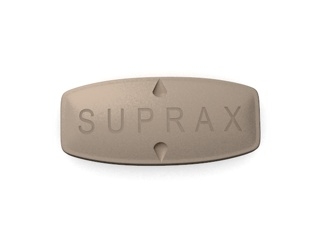
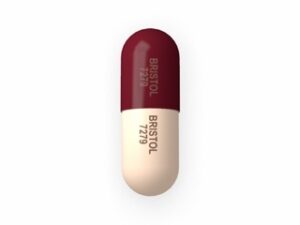
| Common forms (availability varies) | Oral capsules or oral suspension (strengths vary by product) |
| Route | By mouth |
| How it’s used | Short course for specific bacterial infections |
Brand names and pack sizes may differ. Always check the outer packaging for the exact strength (e.g., mg per capsule or per 5 mL for suspensions) and follow the instructions supplied with your specific product.
2. How Suprax Works (Mechanism of Action)
Cefixime is a beta-lactam antibiotic in the cephalosporin family. It works by interfering with bacterial cell wall formation. In simple terms:
- Bacteria need a strong cell wall to survive.
- Cefixime binds to specific bacterial proteins involved in building the cell wall.
- This weakens the cell wall, causing the bacteria to stop growing and (eventually) die.
Because it targets bacterial cell wall synthesis, Suprax is effective only for infections caused by susceptible bacteria.
3. Pharmacokinetics (How the Body Handles Cefixime)
Pharmacokinetics describes how the medicine is absorbed, distributed, metabolised, and eliminated.
- Absorption: Cefixime is absorbed after oral administration. Absorption can be influenced by food, but overall absorption is generally not dramatically reduced.
- Distribution: It reaches body tissues and fluids where bacterial infections occur (to the extent relevant for the indication).
- Metabolism: Cefixime is not extensively metabolised.
- Elimination: The main route of elimination is via the kidneys. This means dose and safety considerations may be important in people with reduced kidney function.
- Half-life: Cefixime has an elimination half-life that supports typical dosing schedules (often once or twice daily depending on the regimen).
If you have kidney problems, you may require careful dose adjustment and monitoring. Tell your healthcare professional if you have ever been advised you have reduced kidney function.
4. Typical Uses (Indications)
Suprax is used for certain susceptible bacterial infections in adults and children, depending on local prescribing guidance and the specific product’s licence. Common infection types include:
- Uncomplicated urinary tract infections (UTIs) in some situations
- Some respiratory tract infections (such as sinusitis or certain throat/ear infections) where caused by susceptible bacteria
- Other bacterial infections where a cephalosporin such as cefixime is appropriate
Important: Not all infections are suitable for cefixime. Choice of antibiotic depends on the suspected bacteria, infection site, local resistance patterns, and individual factors such as allergy history.
5. When to Take Suprax (Timing and Treatment Course)
Follow the dosing schedule given for your specific regimen. In general:
- Try to take it at the same times each day to maintain steady antibiotic levels.
- Complete the full course unless advised otherwise.
- You may start to feel better within 1–3 days, but finishing the course is important to reduce the risk of relapse or resistance.
Do not stop early just because you feel better, unless a clinician advises you to.
6. Dosing Information (Adults and Children)
Dose depends on factors such as age, weight (especially for children), infection severity, kidney function, and the formulation (capsules vs suspension).
Because dosing varies by product strength and patient factors, always check the exact dose instructions that came with your Suprax pack. The guidance below is general and should not replace individual dosing advice.
General dosing principles
- Adults: Often taken once or twice daily depending on the prescribed regimen and product strength.
- Children: Typically based on body weight and the paediatric formulation (often as suspension).
- Kidney impairment: The dosing may be reduced or the dosing interval changed for people with impaired renal function.
How to measure and take Suprax suspension (if applicable)
- Use the oral measuring device provided (e.g., syringe or cup).
- Shake the bottle well if the product instructs so.
- Check the label for the correct strength (e.g., mg per 5 mL) before measuring.
- After taking, you may rinse the measuring device with clean water and let it dry.
7. Food Interactions
Food can influence antibiotic absorption for some medicines. For cefixime:
- General guidance: Suprax can usually be taken with or without food.
- Practical tip: If you notice stomach upset, take it with food.
However, always follow the instructions in your medicine leaflet for your specific product.
If you miss a dose: Take it as soon as you remember. If it is near the time for the next dose, skip the missed dose and continue normally. Do not take a double dose to make up for the missed one.
8. Alcohol and Medicine Interactions
Alcohol
Moderate alcohol is not usually known to directly reduce cefixime effectiveness. However, alcohol may:
- Worsen side effects such as stomach upset, nausea, or diarrhoea.
- Make it harder to recognise when your infection is not improving.
Recommendation: It’s generally best to avoid or limit alcohol while you’re unwell and taking antibiotics.
Medicine interactions
Some medicines can affect cefixime levels or the risk of side effects. Always tell your healthcare professional or pharmacist about:
- Any other antibiotics or recent antibiotic use
- Medicines that affect the kidneys
- Warfarin or other anticoagulants (blood thinners)
- Anti-gout medicines such as probenecid (may affect kidney handling of some antibiotics)
- Medicines that can cause gastrointestinal side effects
Blood test interactions: Some antibiotics can interfere with certain lab tests. If you have blood tests while taking Suprax, inform the clinician/lab staff that you are taking an antibiotic containing cefixime.
Allergy and cross-reactions: If you have ever had an allergic reaction to cephalosporins (or severe reactions to beta-lactams like penicillin), discuss this urgently with a healthcare professional before taking cefixime.
9. Safety Profile and Side Effects
Like all medicines, Suprax (cefixime) can cause side effects. Some are mild and temporary; others require prompt medical attention.
Common side effects
- Diarrhoea (may be mild)
- Nausea or mild stomach discomfort
- Headache
- Vaginal yeast infections or oral thrush in some people
Less common but important side effects
- Skin rashes or itching
- Raised liver enzymes (usually detected on blood tests)
- Reactions affecting blood cells (rare)
Seek urgent medical help if you experience
- Signs of an allergic reaction such as swelling of the face/lips, difficulty breathing, wheezing, or widespread hives
- Severe watery diarrhoea, diarrhoea with blood, or diarrhoea that becomes severe or persistent (possible antibiotic-associated colitis)
- Severe blistering rash or painful skin sores
- Yellowing of the skin/eyes (jaundice), or dark urine
Who should take extra care
- People with a history of allergy to beta-lactam antibiotics (penicillins, cephalosporins)
- People with kidney impairment
- Anyone who has previously had antibiotic-associated diarrhoea
- People who are dehydrated or at risk of electrolyte imbalance due to vomiting or diarrhoea
10. Practical Use Tips (Getting the Best Results)
- Take with a full glass of water unless your leaflet suggests otherwise.
- Use a reminder (phone alarm) so you don’t miss doses.
- Don’t skip doses: irregular dosing may reduce effectiveness and increase the chance of bacterial resistance.
- Manage stomach upset: taking with food can help; staying hydrated is important, especially if you have diarrhoea.
- Watch for unusual symptoms: if you develop a new rash, breathing difficulty, or severe diarrhoea, stop and seek medical advice promptly.
- Keep track of your course: note the day you started so you know when the course should end.
- Storage: keep tablets/capsules away from heat and moisture; follow the suspension storage instructions (often includes refrigeration guidance once prepared, if stated).
Infections should improve gradually. If your symptoms are not improving after a few days, or you worsen, contact a healthcare professional for reassessment.
11. Alternative Options
Antibiotic choice depends on the infection type, likely bacteria, local resistance, severity, and your medical history. Alternatives to cefixime (depending on indication) may include:
- Other oral cephalosporins (where appropriate)
- Penicillin-based antibiotics (if not allergic)
- Macrolides or other antibiotic classes in selected situations
- For some infections, non-antibiotic approaches or additional investigations may be recommended
For recurrent or complicated infections, clinicians may consider urine culture, throat culture, or other tests to guide best treatment.
12. UK Market and Legal Context (Medicines in the United Kingdom)
In the UK, medicines are regulated by medicines and healthcare systems standards. Antibiotics such as cefixime are licensed medicines and are supplied according to UK medicine regulation and pharmacy standards.
Antimicrobial stewardship: The NHS and other healthcare bodies emphasise using antibiotics only when needed and choosing the narrowest effective options to help slow antimicrobial resistance.
Availability can depend on:
- Licensed indication and product strength
- Pharmacy stock levels
- Supply chain factors
13. Recent Guidance and Antimicrobial Stewardship (What Matters Now)
Current UK practice continues to focus on:
- Appropriate diagnosis before starting antibiotics
- Choosing antibiotics carefully based on local susceptibility patterns
- Reviewing treatment if symptoms do not improve
- Minimising unnecessary antibiotic use to reduce resistance
If you have recurrent infections, frequent antibiotic courses, or complicated medical conditions, clinicians may consider further assessment before or during treatment.
14. Delivery, Availability, and Packaging (UK)
Online pharmacy availability and delivery timelines vary by supplier and stock status. When ordering Suprax:
- Check the product strength and form (capsules vs suspension).
- Confirm the pack size matches your expected course length.
- Delivery times are typically shown at checkout and may vary by postcode.
- Some cold-chain or storage instructions may apply to suspensions depending on how they are prepared and supplied.
Packaging: Suprax is supplied in manufacturer packaging with patient information included (leaflet and/or label instructions). Keep the packaging until you finish the course.
15. FAQ (Frequently Asked Questions)
Can I take Suprax with food?
In general, you can take cefixime with or without food. If it upsets your stomach, taking it with food may help. Always follow the leaflet specific to your pack.
How soon should I feel better?
Many people begin to notice improvement within 1–3 days. If you do not improve after a few days, or if you worsen, contact a healthcare professional for review.
What if I miss a dose?
Take it as soon as you remember unless it’s nearly time for the next dose. Skip the missed dose if it’s close to the next one. Do not take a double dose.
Can children take Suprax?
Yes, cefixime can be used in children for certain infections, but the dose should be based on the child’s age/weight and the correct formulation (often suspension). Use the measuring device supplied and follow dosing instructions carefully.
Is Suprax effective for all infections?
No. Suprax works against certain bacteria. It will not treat viral infections such as colds and flu. Effectiveness also depends on the bacteria being susceptible to cefixime.
Does Suprax interact with warfarin?
Antibiotics can affect clotting control in some people. If you take warfarin or another anticoagulant, you should seek advice and monitor as recommended by your healthcare professional.
Can I drink alcohol while taking Suprax?
It’s usually best to limit alcohol while you’re unwell. Alcohol may make side effects like diarrhoea or nausea worse and may slow your recovery.
What should I do if I get diarrhoea while taking Suprax?
Mild diarrhoea can occur. However, severe watery diarrhoea, diarrhoea with blood, or persistent diarrhoea should be assessed promptly, as antibiotic-associated colitis can occur. Seek medical advice urgently if severe symptoms develop.
What if I have an allergy to penicillin?
Some people allergic to penicillin may also react to cephalosporins. If you’ve had an allergic reaction to beta-lactam antibiotics, consult a healthcare professional before taking cefixime.
How should I store Suprax?
Store it according to the instructions on the pack. Keep it away from heat, moisture, and out of reach of children. If you have suspension, follow any instructions about shaking and storage after opening/preparation.
Summary
Suprax (cefixime) is an oral third-generation cephalosporin antibiotic used for certain bacterial infections. It works by disrupting bacterial cell wall formation. When taken correctly, many people begin to improve within a few days. Pay attention to dose timing, food guidance, and safety warnings—especially allergic reactions and severe diarrhoea. If symptoms do not improve or you experience serious side effects, seek medical advice promptly.