
Ciprodex (Ciprofloxacin / Dexamethasone) – Patient-Friendly Guide
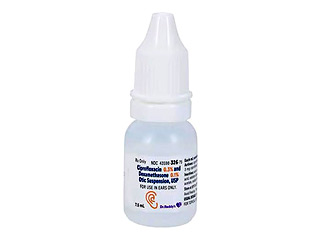
Ciprodex is an antibiotic–steroid combination used in the ear to treat certain painful ear infections. It contains: ciprofloxacin (an antibiotic) and dexamethasone (a corticosteroid that helps reduce inflammation). This guide explains how it works, how it is typically used, common safety points, and practical tips to help you get the best results.
This information is designed to be helpful and easy to understand. Always follow the instructions given with your medicine and the advice of your healthcare professional.
1) Basic product information
- Medicine name: Ciprodex
- Active ingredients: Ciprofloxacin + Dexamethasone
- Formulation: Ear drops
- What it’s for: Ear infections where both bacteria control and inflammation reduction are needed
- Common strengths (varies by pack): typically expressed as ciprofloxacin (antibiotic) and dexamethasone (steroid) per millilitre
- Brand availability in the UK: available through UK pharmacy channels
2) How Ciprodex works (mechanism of action)
Ciprodex combines two complementary medicines:
- Ciprofloxacin (antibiotic): works by interfering with bacterial DNA processes. This stops bacteria from multiplying and helps clear the infection.
- Dexamethasone (corticosteroid): reduces inflammation and swelling in the ear canal and surrounding tissues. It can help ease pain, itching, and discomfort, and improve how well the antibiotic reaches the affected area.
Together, the antibiotic tackles germs while the steroid reduces the inflammatory response that can prolong symptoms.
3) Pharmacokinetics (what happens in the body)
After use as ear drops, only a small amount is expected to pass into the bloodstream in most typical conditions. However, absorption can be greater if the ear’s protective barriers are affected (for example, if there is a perforated eardrum or certain ear procedures).
In general, for locally acting ear products:
- Local effect first: the main action is in the ear canal/middle ear tissues.
- Systemic exposure: tends to be low, but varies based on ear condition and whether the drug can reach deeper compartments.
- Metabolism & elimination: any absorbed drug is processed by normal body pathways and eliminated primarily by the kidneys for ciprofloxacin, while dexamethasone is handled by hepatic metabolism.
If you have a known perforation (a hole) in your eardrum, an ear tube, or planned ear surgery, discuss suitability and monitoring with a clinician.
4) Typical use in the UK: indications and where it fits
Ciprodex is used for certain ear conditions where: bacterial infection and inflammation are both present or strongly suspected.
Common indications (examples)
- Otitis externa (infection/inflammation of the outer ear canal), including cases where swelling is significant
- Ear infections in people with ear tubes (depending on clinical assessment)
- Other situations where a clinician has identified bacterial involvement and recommends a steroid–antibiotic combination
The exact indication can depend on the diagnosis and your ear anatomy. If you’re unsure whether your symptoms match an ear infection that should be treated with Ciprodex, seek professional advice.
5) Timing: how to use Ciprodex (practical guidance)
Correct technique matters. The drop should reach the affected area in the ear canal. The following steps are general guidance for ear drops and are especially important if your ear canal is swollen.
Step-by-step application
- Wash your hands before using the drops.
- Warm the bottle in your hands for a few minutes if the solution feels cold (comfort improvement may help you keep still).
-
Position your head so the treated ear is facing upward.
- Adults: gently pull the ear up and back.
- Children: the ear is usually pulled down and back (follow any guidance from your clinician).
- Instil the prescribed number of drops into the ear canal without touching the dropper tip to the ear.
- Keep the head tilted for a short time (often around 1–2 minutes) so the liquid can spread.
- Wipe away any excess with a clean tissue.
- Replace the cap and close the bottle immediately.
How often and for how long?
Usage schedules vary by age and diagnosis. In practice, ear infection regimens often involve twice daily dosing for a defined number of days. Always use the exact schedule on your medicine instructions.
Complete the full course unless your clinician tells you to stop early, even if you feel better sooner.
6) Dosing: understanding a typical regimen
The correct dose depends on the diagnosed condition and patient factors. For Ciprodex ear drops, dosing commonly involves:
| Patient group | Typical pattern (general description) | Notes |
|---|---|---|
| Adults and children | Often twice daily dosing | Number of drops and duration should match the directions supplied with your product. |
| People with ear tubes/perforation (if applicable) | Use as directed by clinician | Higher sensitivity to medication reaching deeper tissues can affect safety considerations—follow professional guidance. |
If you miss a dose, apply it when you remember unless it’s close to the time of the next dose. Don’t double up.
7) Food interactions
Because Ciprodex is used as ear drops, food interactions are generally unlikely. There is no common expectation that eating will directly affect how the medicine works in the ear.
However, always consider general medicine principles: if systemic absorption is increased (for example, with certain ear conditions), your clinician may advise you on additional precautions.
8) Alcohol and medicine interactions
There is no well-known direct alcohol interaction specific to Ciprodex ear drops in typical use. Nonetheless, it’s sensible to limit alcohol if you feel unwell or if you are taking other medicines for pain or infection.
Important: If you are using other antibiotics, steroid-containing medicines, anticoagulants, or treatments that affect the immune system, discuss with a pharmacist or clinician, especially if you have kidney issues or take many medications.
Other medicine interactions (general)
- Systemic medicines: clinically significant interactions are not expected from topical ear use in most cases, but individual risk can vary.
- Corticosteroids: systemic exposure is generally low with ear drops, but if you have a condition that allows greater absorption, additional caution may be needed.
- Antibiotic resistance: use only as indicated to reduce the chance of developing resistant bacteria.
9) Safety profile: who should be cautious?
Most people tolerate Ciprodex well when used correctly. As with all medicines, there are potential side effects and reasons to seek prompt help.
Common side effects
- Mild irritation or burning sensation in the ear
- Itching
- Unpleasant taste (sometimes reported with ear drops)
- Occasional discomfort shortly after instillation
Less common but important risks
- Allergic reactions: rash, swelling, severe itch, or difficulty breathing require urgent medical attention.
- Persistent or worsening symptoms: could indicate a resistant organism, incorrect diagnosis, or a complication.
- Fungal overgrowth: steroid-containing ear drops can sometimes encourage non-bacterial causes if used too long.
- Ear complications: increased pressure, severe pain, or new discharge should be assessed.
When to seek medical help promptly
- Symptoms do not improve after a few days of treatment
- Severe pain, fever, swelling around the ear, or new facial weakness
- Blood or significant pus-like discharge that persists
- Signs of allergy
Special precautions
- Known perforated eardrum or ear tubes: use only under appropriate guidance because medication may reach the middle ear more easily.
- Frequent ear infections: your clinician may need to review causes (skin conditions, eczema, swimmer’s ear habits).
- Immunocompromised conditions: inform your healthcare team, as infection types and responses can differ.
10) Practical use tips for best results
- Follow sterile hygiene: avoid touching the nozzle to the ear canal.
- Empty the canal if advised: some ear infections require cleaning/debris removal by a clinician. If the canal is blocked, drops may not reach the target.
- Be consistent with timing: twice-daily regimens work best when spaced about 12 hours apart.
- Don’t stop early without advice: stopping sooner can allow infection to return.
- Check expiry: do not use expired drops.
- Avoid water in the ear: swimming or submerging the ear can worsen otitis externa. Ask your pharmacist or clinician about swimming precautions.
11) Alternative options (what else may be used)
Treatment depends on the specific diagnosis (for example, outer ear infection vs. middle ear infection), severity, and your ear drum status. In the UK, clinicians select products based on local guidelines and patient factors.
Possible alternatives (examples)
- Antibiotic-only ear drops (for bacterial outer ear infection when steroid is not needed)
- Acidifying solutions used in some mild or preventive contexts (for selected cases)
- Analgesia (pain relief) alongside ear treatment
- For fungal otitis externa: antifungal treatment rather than antibiotic/steroid combinations
If symptoms suggest a different cause (eczema/dermatitis, viral infection, fungal growth, or middle ear involvement), the choice of drops can differ.
12) Market and legal context in the United Kingdom
In the UK, medicines including Ciprodex are regulated under the Medicines and Healthcare products Regulatory Agency (MHRA) and supplied via licensed channels. Ear drops containing antibiotic and corticosteroid components are used in line with clinical assessments and standard antimicrobial stewardship principles.
Pharmacy supply routes depend on product classification and local rules. Online pharmacies typically provide access subject to verification of suitability, delivery conditions, and adherence to UK regulatory requirements.
Antimicrobial stewardship: using antibiotics only when appropriate helps reduce antimicrobial resistance. This is especially important for topical antibiotics as well as systemic therapy.
13) Recent guidance and clinical approach (UK overview)
For ear infections, UK clinicians generally follow evidence-based approaches that include:
- Confirming the diagnosis (outer ear vs middle ear involvement; presence of discharge; eardrum status)
- Considering patient comfort and the level of canal swelling
- Using targeted therapy where bacterial infection is likely
- Avoiding unnecessary steroid exposure when infection is not clearly bacterial or when fungal infection is suspected
Because your ear anatomy (especially eardrum integrity) can affect the safety and effectiveness of ear drops, it’s wise to have a clinician review symptoms—particularly if you have recurrent episodes.
14) Delivery and availability (UK online pharmacy)
Ciprodex ear drops are typically available via UK pharmacies and licensed suppliers. Delivery availability and timelines may vary based on:
- Current stock levels
- Your location and local carrier routes
- The type of service you select (standard vs tracked delivery)
- Age verification or suitability checks (if required for supply)
When ordering online, ensure you select the correct pack size and check: expiry date, storage instructions, and delivery conditions.
15) Storage
- Store as directed on the packaging.
- Keep the bottle tightly closed.
- Keep out of the sight and reach of children.
- Do not use after the expiry date.
16) Frequently Asked Questions (FAQ)
How quickly should Ciprodex start working?
Many people notice improvement within a few days, particularly in pain and swelling. If you have no improvement after several days, or symptoms worsen, seek medical advice to confirm the diagnosis and treatment plan.
Can I use Ciprodex if my ear is leaking fluid?
Ear discharge can occur with infections. Don’t assume the cause—leaking can happen with different conditions. If a clinician has advised Ciprodex, you can usually use it as directed. If discharge is severe, bloodstained, or associated with fever, get prompt medical review.
Is it safe to use Ciprodex if I have a perforated eardrum?
Use depends on your specific situation and clinician guidance. Some ear conditions allow use of certain ear drops, but safety can differ based on drug type and your eardrum status. Discuss your history of perforation or ear tubes with a healthcare professional.
Should I stop if I feel better?
Ideally, finish the course as instructed. Stopping early can allow infection to return. If you experience side effects or are unsure, consult your pharmacist or clinician.
Can I swim or get my ear wet during treatment?
Avoid swimming and try to keep the ear as dry as possible while you’re being treated, especially for otitis externa. Ask your pharmacist or clinician when it’s safe to resume normal water exposure.
What if I accidentally miss a dose?
Apply it as soon as you remember unless it’s close to the next dose. Do not double the dose to make up for a missed one.
Are there foods I should avoid?
Food interactions are not typically expected with ear drops like Ciprodex. Take it according to the schedule provided.
Does alcohol affect Ciprodex?
There is no common, direct interaction expected with alcohol for ear-drop use. If you feel unwell or are taking other medicines, consider general caution with alcohol and follow advice from a clinician or pharmacist.
Can Ciprodex be used in children?
It may be used in children in certain circumstances, but dosing and appropriateness depend on the diagnosis and age. Follow the instructions supplied for your child’s product and seek medical guidance if you’re unsure.
What should I do if I get an allergic reaction?
Stop using the drops and seek urgent help if you develop signs of allergy such as swelling of the face/lips, severe rash, or breathing difficulty.
What are signs that I may need to be rechecked?
- Symptoms not improving after a few days
- Increasing pain, swelling, or fever
- New severe dizziness, hearing changes, or facial weakness
- Persistent discharge or strong worsening odour
17) Summary
Ciprodex (ciprofloxacin/dexamethasone) ear drops combine an antibiotic to fight bacteria with a corticosteroid to reduce inflammation. Used correctly, it can relieve pain and swelling and help clear infection in suitable ear conditions. Pay close attention to application technique, complete the full course, and seek medical advice if symptoms don’t improve or if you experience concerning side effects.