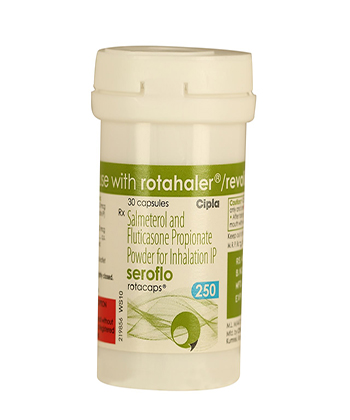
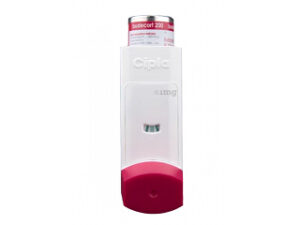
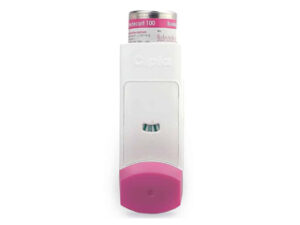
Advair Rotahaler (Fluticasone propionate)
Advair Rotahaler contains fluticasone propionate, an inhaled medicine used to help control asthma and certain long-term lung conditions. It works mainly by reducing inflammation in the airways, helping to prevent symptoms such as wheeze, breathlessness, chest tightness and coughing.
This guide is designed for people in the United Kingdom and is written in clear, patient-friendly language. Always follow the advice of your healthcare professional and the information in the patient leaflet provided with your medicine.
At a glance
- Active ingredient: Fluticasone propionate (inhaled corticosteroid)
- What it does: Reduces airway inflammation and swelling
- Who it’s for: Usually asthma patients who need regular controller treatment
- How it’s taken: Inhaled using the Rotahaler device
- When it works: Prevents symptoms; improvements may be noticed within days, with full benefit often taking longer
- Common side effects: Hoarseness, sore throat, cough, thrush (oral fungal infection)
Basic product information
| Feature | Details |
|---|---|
| Medicine name | Advair Rotahaler |
| Active ingredient | Fluticasone propionate |
| Medicinal class | Inhaled corticosteroid (ICS) |
| Form | Dry powder inhaler (Rotahaler) |
| Typical use | Long-term control of asthma; may be used for other conditions depending on local prescribing decisions |
How Advair Rotahaler works (mechanism of action)
Fluticasone propionate is an inhaled corticosteroid. Once it reaches the small airways in the lungs, it helps to turn down inflammatory processes that are central to asthma.
It reduces:
- Swelling (oedema) of the airway lining
- Production of inflammatory chemicals
- Airway “hyper-responsiveness” that can lead to sudden narrowing
- Recruitment of inflammatory cells such as eosinophils
By addressing inflammation, it helps to prevent symptoms and flare-ups and improves day-to-day breathing.
Pharmacokinetics (what the body does with the medicine)
When you inhale fluticasone from the Rotahaler, most of it is intended to deposit in the lungs. Some may be swallowed and processed through the digestive tract. Like many inhaled medicines, only a small portion enters the bloodstream compared with oral dosing, though some systemic absorption can occur.
Absorption and distribution
- Lung deposition: Designed to target airways directly for local anti-inflammatory effect.
- Swallowed fraction: Any medicine swallowed is broken down mainly in the gut and liver pathways.
Metabolism
Fluticasone propionate is extensively metabolised, primarily by an enzyme in the liver called CYP3A4. This is important because some other medicines can affect fluticasone levels.
Elimination
The medicine and its metabolites are mainly cleared from the body. Because the drug is targeted and metabolised efficiently, systemic effects are generally lower than with long-term oral steroids, but they can still occur at higher doses or in sensitive individuals.
What Advair Rotahaler is used for
In the UK, inhaled fluticasone is commonly used as part of maintenance (controller) therapy for asthma. It is intended to be used regularly to keep symptoms controlled and to reduce the risk of exacerbations.
In some situations, your healthcare professional may consider inhaled corticosteroids for other chronic airway conditions; however, the best choice depends on your diagnosis and symptom pattern.
Indications (typical situations)
- Persistent asthma where regular anti-inflammatory control is needed
- Prevention of symptoms triggered by exercise, allergens, cold air or infections
- Reducing exacerbations and improving lung function over time
Dosing: how much and how often
The exact dose depends on your age, asthma severity/control, and the strength of the inhaler prescribed. Your healthcare professional will tell you how many inhalations to take and how often.
Important: Do not change your dose or stop treatment suddenly without medical advice. If you miss a dose, take it when you remember unless it is close to the time of your next dose.
Typical dosing patterns
- Adults and adolescents: Often taken twice daily or as otherwise directed.
- Children: Dose is usually individualised and depends on the prescribed inhaler strength.
If you are unsure about your dose, check:
- The label on your inhaler box or container
- Your personalised asthma plan
- Your pharmacist or GP practice
Timing: when to use it
Advair Rotahaler is designed for regular use. Consistency is key to preventing symptoms.
- Choose times that you can stick to (for example, morning and evening).
- If you also use a reliever inhaler (often a short-acting beta-agonist), continue using it as directed for quick relief.
- Use your controller inhaler at the scheduled times even if you feel well.
When will I feel better? Some people notice improvement within days, but it can take longer for full benefit (often 1–2 weeks, and sometimes longer). If your symptoms are worsening, seek advice rather than increasing dose on your own.
Food interactions
Food does not usually have a major direct interaction with inhaled fluticasone because the medicine is delivered to the lungs. However, if some medicine is swallowed after inhalation, your stomach and digestion can affect how much is absorbed.
As a practical point:
- You may find it helpful to rinse your mouth and gargle after each dose to reduce the risk of thrush.
- If you have a sensitive stomach, take care to follow your usual routine and monitor any unusual symptoms.
Alcohol and medicine interactions
Alcohol
There are no well-known direct alcohol-specific interactions with fluticasone inhalers. Still, alcohol may worsen asthma control in some people by affecting breathing patterns or sleep. If you notice that alcohol triggers your symptoms, consider reducing intake.
Medicines that may interact (CYP3A4)
Fluticasone is metabolised mainly by CYP3A4. Medicines that strongly inhibit CYP3A4 can raise fluticasone levels, increasing the risk of systemic effects such as steroid-related side effects.
Examples of medicines that may increase fluticasone exposure include:
- Some antifungals (e.g., ketoconazole, itraconazole)
- Some antiviral medicines (e.g., ritonavir-containing regimens)
- Some antibiotics (e.g., clarithromycin in certain circumstances)
Not all interactions apply to everyone, and the strength/dose of the inhaler matters. Always tell your pharmacist or prescriber about all medicines you take, including over-the-counter products and herbal remedies.
Other asthma medicines
- Relievers (e.g., salbutamol): Usually used for quick relief and should remain available.
- Other controllers: Some patients also use additional preventer inhalers or long-acting bronchodilators based on their plan.
- Nebulisers: If you use nebules, follow your personalised schedule.
Practical use: how to inhale Advair Rotahaler correctly
Correct technique is crucial for getting the right dose into your lungs. Poor technique can reduce effectiveness and increase side effects.
General steps (device technique overview)
Rotahaler devices typically involve loading a capsule or disc (depending on the exact presentation) and inhaling the powder deeply. Your product’s leaflet provides the exact steps for your device—always follow that guidance.
- Prepare: Ensure your inhaler/device is clean and ready for use.
- Load dose: Fit the capsule/powder unit if required by your specific Rotahaler version.
- Exhale gently: Breathe out away from the mouthpiece.
- Inhale firmly and deeply: Place mouthpiece between lips and inhale to draw powder into the lungs.
- Hold breath: Keep breathing held briefly if you are able comfortably.
- Close and store: Replace parts and store as instructed.
After inhaling
- Rinse your mouth: Use water to rinse and spit out (or gargle) after each dose.
- Check your technique periodically: Consider having your inhaler technique reviewed at least once or whenever asthma control changes.
Common technique issues
- Not inhaling strongly enough (powder may not reach the lungs)
- Exhaling into the device (can degrade powder performance)
- Skipping mouth rinse (increases thrush risk)
- Using inconsistent timing (reduces preventive benefit)
Safety profile and side effects
Like all medicines, Advair Rotahaler can cause side effects. Most people tolerate inhaled fluticasone well, especially when used at the recommended dose and with correct technique.
Common side effects
- Hoarseness or voice changes
- Sore throat
- Cough or throat irritation
- Oral thrush (white patches in the mouth, soreness, bad taste)
Less common but important effects
- Systemic steroid effects are uncommon at typical inhaled doses, but risk increases with higher doses or prolonged use.
- Adrenal suppression is rare but can occur, particularly with high-dose inhaled steroids or when switching from oral steroids.
- Eye problems (e.g., glaucoma or cataracts) have been reported with long-term corticosteroid use, including inhaled forms in some cases.
- Allergic reactions (rash, itching, swelling, difficulty breathing) — seek urgent help if severe.
Seek urgent medical help if
- Your breathing worsens quickly or you are struggling to speak in full sentences
- Your reliever inhaler isn’t helping as usual
- You develop signs of severe allergic reaction
- You have symptoms of infection that are severe or worsening (for example, high fever, chest pain)
Thrush: prevention and what to do
Thrush is a common inhaled-steroid side effect. It can often be prevented by rinsing your mouth after each dose and using correct technique. If thrush occurs, a clinician may recommend treatment and reassessment of your inhaler use.
Safety in special situations
Children
Inhaled corticosteroids are used in paediatric asthma, and benefits often outweigh risks when dosing is appropriate. Technique support is especially important for children.
Pregnancy and breastfeeding
Asthma control is important during pregnancy and breastfeeding. In many cases, inhaled corticosteroids are considered suitable because they act locally in the lungs. However, always seek personalised advice from a healthcare professional if you are pregnant, trying to conceive, or breastfeeding.
Infections and vaccination
If you have a significant respiratory infection, your asthma may flare. Do not stop your controller medicine without advice. Your clinician may review your treatment plan temporarily.
Timing with other treatments and exacerbation plans
Advair Rotahaler is a preventer. It is not intended as an emergency treatment for sudden breathing difficulty. If you have an asthma action plan, follow it carefully.
During symptom worsening
- Use your reliever medication as instructed in your action plan.
- Contact your healthcare professional if symptoms do not improve promptly or you need your reliever more frequently.
- If you have peak flow monitoring, follow the values and escalation steps in your plan.
Alternative options (other inhaled medicines)
Treatment for asthma is individual. Depending on your symptoms and current control, your clinician may consider one or more of the following options:
- Other inhaled corticosteroids (different fluticasone strengths or molecules)
- ICS/LABA combinations (inhaled steroid + long-acting bronchodilator) for many patients needing step-up control
- Leukotriene receptor antagonists (tablets used in some cases)
- Biologic therapies (for severe asthma with specific inflammatory traits)
If you’re considering alternatives, discuss with a healthcare professional—switching devices and strengths can affect dosing and technique.
Market and legal context in the United Kingdom
In the UK, asthma inhalers and inhaled corticosteroids are regulated medicines. Supply and advice are supported by the UK healthcare system, and pharmacies must follow applicable rules regarding safe distribution, patient information, and record-keeping.
Availability and specific product lines can vary by pharmacy and over time. Some inhalers may be subject to packaging or brand changes. If you notice a different brand or device form than expected, check the active ingredient and strength with your pharmacist before use.
Recent guidance and asthma management approach (UK)
UK asthma care commonly follows evidence-based guidance from professional bodies and updates through clinical practice. Key themes include:
- Regular controller therapy for ongoing inflammation control
- Technique checks and adherence support
- Tailored step-up/step-down based on control and risk of exacerbations
- Ensuring patients understand the difference between preventers and relievers
If your symptoms are not well controlled, your clinician may review inhaler technique, adherence, trigger avoidance, and consider adjusting therapy.
Delivery and availability (online pharmacy)
When ordered through a UK online pharmacy, delivery times can vary based on location, stock availability, and courier services. Some medicines may be dispatched quickly if in stock, while others may take longer if restocking is required.
- Availability: Depends on pharmacy stock and current supply
- Packaging: Medicines should arrive in original packaging with patient information
- Storage: Store according to the leaflet (typically at room temperature, away from heat and moisture)
For the most accurate delivery estimate, check the online pharmacy’s product page and checkout information.
Storage information
Follow the storage instructions provided with your inhaler. In general:
- Keep the medicine in its original packaging
- Store at normal room temperature and protect from excess moisture
- Keep out of reach and sight of children
- Do not use after the expiry date on the pack
FAQ
1) Is Advair Rotahaler a reliever or a preventer?
Advair Rotahaler is a preventer (controller) medicine because it reduces inflammation over time. It is generally not used as the emergency reliever for sudden breathlessness.
2) How long does it take to work?
Some improvement may be noticed within a few days, but full benefit can take longer. Continue regular use as directed even if you feel better, because stopping can allow inflammation to build up again.
3) What should I do if I miss a dose?
Take it when you remember unless it is close to your next scheduled dose. Do not double up to make up for a missed dose.
4) Will it cause thrush?
Thrush can happen with inhaled corticosteroids. The risk can be reduced by rinsing your mouth and gargling after each dose, and by using correct inhaler technique. If thrush occurs, speak to a healthcare professional.
5) Can I drink alcohol while using Advair Rotahaler?
Alcohol is not known to directly interact with fluticasone inhalers. However, alcohol may worsen asthma for some people, so monitor your symptoms and consider reducing intake if you notice triggers.
6) Are there medicines I should avoid?
Tell your pharmacist about all medicines you take, especially those that can affect CYP3A4 metabolism, such as certain antifungals and antivirals. Your pharmacist can help check for interactions.
7) Can I stop the inhaler once I feel well?
It is usually not advisable to stop a controller inhaler suddenly without medical advice. If your symptoms have been stable, your clinician may consider a gradual step-down plan.
8) What if my asthma suddenly becomes worse?
Use your reliever medication as your asthma plan instructs. If symptoms worsen rapidly, you are struggling to breathe, or your reliever is not helping, seek urgent medical help.
9) Do I need to rinse my mouth every time?
Yes. Rinsing your mouth and spitting (or gargling) after each dose helps reduce the chance of thrush and throat irritation.
10) How do I know if my inhaler technique is correct?
If symptoms are not controlled, first check adherence and inhaler technique. Many pharmacies and asthma clinics can review technique with you. If you’ve changed device or strength, ask for a technique check.