
Budesonide Inhaler (Corticosteroid) – Patient Information for the UK
Budesonide inhaler is a medicine used to help control inflammation in the airways. It belongs to a group of medicines known as inhaled corticosteroids (ICS). If you have asthma or certain long-term breathing conditions, a budesonide inhaler can reduce airway swelling, mucus and sensitivity—making it easier to breathe and helping prevent symptoms from returning.
This guide explains what budesonide inhalers do, how they work in the body, how to use them correctly, and what to consider for safety and interactions. It is written for patients in the United Kingdom.
Basic product information
- Active ingredient: Budesonide
- Medicine type: Inhaled corticosteroid (ICS)
- Common uses: Long-term control of asthma; sometimes for other airway inflammatory conditions as advised by a healthcare professional
- How it’s taken: Inhalation into the lungs
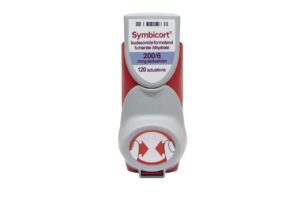
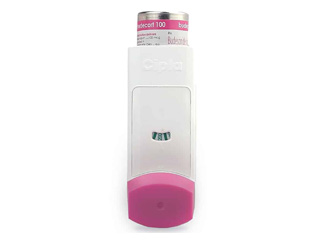
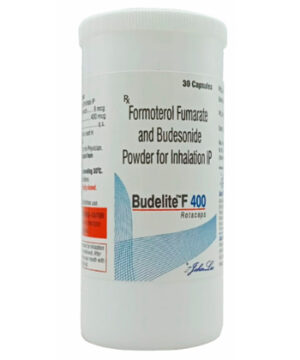
- Common forms: Metered-dose inhaler (MDI) or dry powder inhaler (DPI), depending on brand/device
Different inhaler devices (and strengths) exist. Always check the label and the patient leaflet for your exact product, strength and device type.
How budesonide works (mechanism of action)
Budesonide reduces inflammation in the airways. It works by activating intracellular glucocorticoid receptors, which changes gene expression and leads to reduced production of inflammatory substances (such as cytokines) and reduced recruitment of inflammatory cells to the airway wall.
In practical terms, this means:
- Less swelling of the bronchial lining
- Reduced mucus production
- Lower airway “reactivity,” making triggers less likely to cause symptoms
- Improved airflow and fewer flare-ups when used regularly
Important: Because budesonide is a preventative controller medicine, it may not relieve sudden breathlessness immediately. Your fast-acting “reliever” inhaler (often a short-acting beta-2 agonist) is used for quick symptom relief.
Pharmacokinetics (what happens in the body)
After inhalation, only part of the dose reaches the lungs; the remainder may be swallowed. Budesonide is absorbed through the lungs and gastrointestinal tract.
- Absorption: Inhaled doses are absorbed from the respiratory tract; some swallowed dose contributes to overall absorption.
- Distribution: Budesonide is distributed to body tissues and is bound to plasma proteins.
- Metabolism: It is extensively metabolised in the liver (largely by the CYP3A4 enzyme).
- Elimination: Metabolites are mainly excreted via the kidneys. The overall systemic clearance is relatively rapid.
- Systemic exposure: Inhaled therapy aims to minimise effects beyond the lungs, though small systemic absorption can occur.
Your individual response depends on lung deposition, technique, device type, dose, and whether you have taken your inhaler correctly.
Typical use and timing
Budesonide is designed for regular, long-term use to control inflammation. Many people notice benefits after days, but the full effect may take up to one to two weeks (sometimes longer), depending on the severity and stability of symptoms.
When to take it:
- Usually once or twice daily depending on your dose and device.
- Try to take it at the same times each day to build a routine.
- If you’ve been prescribed twice-daily dosing, spacing doses by roughly 12 hours is often helpful.
Do not stop or significantly change your budesonide dose without medical advice, even if you feel better. Asthma and other inflammatory airway conditions can worsen gradually.
Indications (what it’s used to treat)
In the UK, budesonide inhalers are used to treat conditions where controlling airway inflammation is important, most commonly:
- Asthma: maintenance treatment to prevent symptoms and reduce risk of flare-ups
- Other inflammatory airway conditions: depending on local guidance, product licence and specialist assessment. Your specific product may have a particular approved indication—check your patient leaflet.
If you’re using it as part of an asthma plan, budesonide typically forms the controller component of your regimen.
Dosing (general guidance)
The right dose depends on the condition, severity, your age, and the specific inhaler device and strength. In the UK, inhalers may be prescribed using different dose ranges (for example, low, medium or high strength).
Always follow the dose on your label and the instructions provided with your inhaler.
Common dosing patterns
- Once daily or twice daily dosing is typical, depending on the formulation and strength.
- For many patients, the inhaler is used consistently even when symptoms are well controlled.
- If symptoms worsen, dose adjustment may be considered as part of a stepwise asthma management plan.
How many puffs?
The number of puffs (“actuations”) is product-specific. Because different inhalers deliver different amounts per actuation, never convert puffs between devices or brands without guidance.
Food interactions
Budesonide inhaler is taken by inhalation, and significant food interactions are not expected. You may take it with or without food.
A practical habit that helps with side effects is to rinse your mouth after using your inhaler. This can help reduce the risk of oral thrush (candidiasis), which is a local effect rather than a “food” interaction.
- Food: no known clinically relevant interactions expected
- Mouth care: rinse and spit after each dose is commonly recommended
Alcohol and medicine interactions
Alcohol
There is usually no direct interaction between standard amounts of alcohol and an inhaled corticosteroid like budesonide. However, heavy alcohol intake can affect overall health, adherence to treatment, and may worsen breathing symptoms in some people indirectly.
If you have concerns (for example, liver disease or medication complexity), ask your pharmacist or clinician for personal advice.
Medicine interactions (including CYP3A4)
Budesonide is metabolised by the liver enzyme CYP3A4. Some medicines can increase or decrease budesonide breakdown, potentially changing its effect or side effects.
- CYP3A4 inhibitors: examples include some antifungals (e.g., ketoconazole, itraconazole), some antibiotics (e.g., clarithromycin), and some HIV protease inhibitors. These may increase budesonide exposure, increasing the risk of systemic side effects.
- Other corticosteroids: using additional steroids (oral or high-dose inhaled) can increase overall steroid load.
- Diuretics: interactions are less common with inhaled budesonide, but always discuss all long-term medicines.
- Beta-blockers: some beta-blockers can worsen breathing in sensitive people; discuss if you take them for heart conditions.
If you take multiple medicines, it’s helpful to carry a list and review it with a pharmacist. Always inform healthcare professionals if you are starting or stopping any medicine, including herbal products.
Safety profile and side effects
Like all medicines, budesonide inhaler can cause side effects. Because it is inhaled, most side effects are local to the mouth and throat, though systemic effects are possible at higher doses or with certain risk factors.
Common side effects
- Hoarse voice (dysphonia)
- Throat irritation
- Oral thrush (white patches in the mouth, soreness) – risk reduced by rinsing the mouth after use
- Cough or mild irritation after inhalation
Less common but important considerations
- Systemic corticosteroid effects (more likely at high doses, long durations, or if combined with oral steroids) such as changes in skin, bruising, bone effects, or effects on growth in children.
- Eye problems (e.g., cataracts or glaucoma) with prolonged steroid exposure—clinicians may monitor risk.
- Adrenal suppression is uncommon with typical inhaled doses but can occur especially with high-dose or long-term use or if switching from oral steroids.
When to seek urgent help
Contact urgent care or emergency services if you experience:
- Severe breathing difficulty that doesn’t improve with your reliever inhaler
- Signs of severe allergic reaction such as swelling of the face/lips, severe rash, or difficulty breathing
- Worsening asthma symptoms or frequent reliever use
If you have mild side effects, speak to a pharmacist or clinician rather than stopping the medicine abruptly.
Practical use tips (getting the best benefit)
The effectiveness of a budesonide inhaler depends heavily on correct technique and consistent use. Incorrect technique can lead to poor lung deposition and more side effects from swallowed medicine.
General technique principles
- Follow the specific device steps for your brand (MDI vs DPI instructions differ).
- Exhale gently before you start inhaling the dose (avoid blowing out into the device).
- Inhale steadily and correctly according to device type.
- Hold your breath for several seconds if you can, to allow the medicine to settle in the airways.
- If prescribed, use a spacer with an MDI to improve delivery and reduce mouth side effects.
Rinse and spit
After using budesonide, rinse your mouth with water and spit out the rinse. This reduces the risk of thrush and throat irritation.
Regular checks
- Ask your pharmacist or practice nurse to review your inhaler technique periodically.
- Check that the dose counter (if present) is working and you are not running out.
Cleaning and storage
- Store at room temperature and protect from extremes of heat or cold.
- Keep your inhaler in a clean, dry place.
- Follow the manufacturer’s instructions for cleaning if applicable.
When budesonide is not a reliever
Budesonide helps control inflammation over time. It is not intended for immediate relief of acute breathlessness. For sudden symptoms, use your designated reliever inhaler as directed.
If you need your reliever more often than usual, it may mean your asthma is not well controlled and your controller plan may need review.
Alternative options (other treatments)
Depending on your diagnosis and severity, clinicians may recommend other inhaled medicines or combinations. Examples include:
- Other inhaled corticosteroids (different ICS medicines)
- ICS/LABA combinations (inhaled corticosteroid + long-acting beta-2 agonist) for improved control in some people
- Leukotriene receptor antagonists (oral medicines used in certain asthma cases)
- Biologic therapies for severe asthma under specialist supervision
- For COPD-related conditions: inhaler choices vary widely and depend on individual risk and symptoms
Alternatives should be discussed with a pharmacist or clinician, particularly if you’re experiencing side effects or inadequate control.
UK market and legal context (high-level)
In the UK, inhaled medicines including budesonide inhalers are regulated and manufactured to meet UK and EU-derived standards. Products are licensed for specific indications and strengths, and patient leaflets provide instructions for safe use.
Asthma management in the UK is commonly guided by evidence-based national and international recommendations and local clinical pathways. Budesonide-containing inhalers typically form part of “stepwise” asthma control strategies, where treatment intensity is increased or reduced based on symptom control.
Availability depends on the specific brand/device. Some inhalers may be available through prescription-only routes or may vary by product and strength. Always check the product listing and provided instructions for your exact item.
Recent guidance and clinical best practice (UK-focused overview)
UK asthma guidance commonly emphasises:
- Correct inhaler technique and regular reassessment
- Using inhalers consistently as controller therapy
- Reviewing reliever use to detect worsening control early
- Reducing modifiable risks such as smoking and exposure to triggers
- Monitoring side effects and using mouth rinsing to prevent thrush
If you are unsure about your inhaler plan, ask your GP, practice nurse, respiratory nurse, or pharmacist for a review. Children and older adults may benefit from additional technique support.
Delivery and availability (online pharmacy information)
Availability of budesonide inhalers can vary depending on strength, device type, and stock levels. When ordering online in the UK, ensure:
- You select the exact product and strength listed on your instructions.
- You check whether it is an MDI or DPI so the device matches your routine.
- Check expected delivery timeframes shown at checkout (typically within UK mainland delivery schedules).
- Review packaging and expiry dates where provided.
If you need help choosing a product due to device type or dosing, you can contact customer support or consult a pharmacist before ordering.
FAQ – Budesonide inhaler
1) How long does budesonide take to work?
Many people notice improvement after a few days, but it can take one to two weeks (sometimes longer) to reach the full controller effect. Continue using it regularly even if you feel better.
2) Will budesonide relieve sudden wheezing?
Budesonide is a controller medicine and is not designed for rapid relief. Use your reliever inhaler for sudden symptoms. If symptoms worsen despite using your reliever, seek medical advice promptly.
3) Should I rinse my mouth after using it?
Yes. Rinsing your mouth and spitting after each dose can lower the risk of oral thrush and hoarseness.
4) What if I miss a dose?
If you miss a dose, take it when you remember unless it’s close to your next scheduled dose. Do not take extra puffs to make up for a missed dose. Follow the instructions in your patient leaflet or ask a pharmacist for advice.
5) Can I use budesonide if I have thrush already?
Thrush can occur while using inhaled steroids. Contact a pharmacist or clinician for advice—treatment may be needed. Do not stop budesonide without professional guidance, but technique changes and mouth rinsing are often important.
6) Is it safe to use long-term?
Inhaled corticosteroids are widely used for long-term control. Risk is generally lower than with oral steroids, especially with correct technique and appropriate dose. Your healthcare team may review dose regularly to keep the lowest effective dose.
7) Can I drink alcohol while using budesonide?
Usually, moderate alcohol intake doesn’t directly interact with inhaled budesonide. If you have other health conditions or take interacting medicines, it’s best to ask your pharmacist for personalised advice.
8) Are there medicine interactions I should know about?
Yes. Budesonide is metabolised by CYP3A4. Some medicines (notably certain antifungals and some antibiotics) can increase steroid levels. Tell your pharmacist about all your medicines, including supplements and herbal products.
9) How do I know if my inhaler technique is correct?
If you’re not getting symptom control or you develop frequent mouth/throat side effects, ask your pharmacist to check your technique. Many services can also demonstrate correct use of spacers and specific inhaler devices.
10) What should I do if my symptoms worsen?
Use your reliever as directed and contact a healthcare professional if symptoms are worsening, you need your reliever more often than usual, or you have any concerns about severity. In severe cases, seek urgent help.
Summary
Budesonide inhaler is an inhaled corticosteroid that helps control airway inflammation for conditions such as asthma. It is most effective when used regularly with correct inhaler technique. While local side effects like hoarseness and thrush can occur, they can often be reduced by rinsing your mouth after use.
If you have questions about your dose, inhaler device, technique, or side effects, a pharmacist is often the best first point of contact.