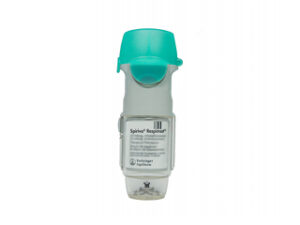
Salbutamol (Albuterol) – Patient Information (UK)
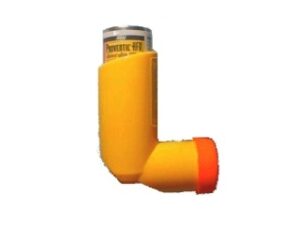
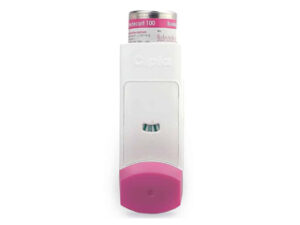
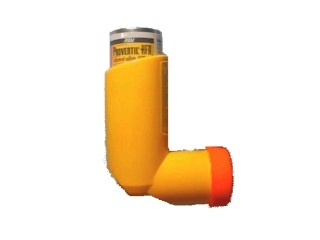
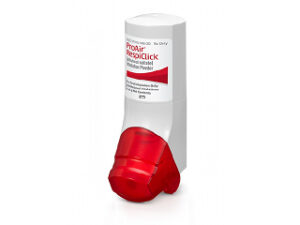
Salbutamol (also known by the name albuterol in some countries) is a fast-acting medicine used to relieve breathing problems such as wheezing and shortness of breath. In the UK, you may see salbutamol available as a reliever inhaler (most commonly a pressurised metered-dose inhaler) and sometimes as a nebules (for use with a nebuliser) depending on the product and age group.
This page provides practical, patient-friendly information about how salbutamol works, when it is used, how to take it safely, and what to expect. If you are unsure which product strength or device type you have, check the label or packaging and follow the instructions supplied with your medicine.
Quick Overview
- Active ingredient: Salbutamol (albuterol)
- How it’s usually taken: Inhalation (puffer/inhaler or nebuliser)
- Type of medicine: Short-acting bronchodilator (beta2 agonist)
- Main benefit: Quickly opens airways to reduce wheeze, coughing, and breathlessness
- Onset: Often within minutes after inhalation
- Duration: Typically several hours (commonly around 4–6 hours)
Basic Product Information
Salbutamol belongs to a group of medicines called beta-2 (β2) adrenergic agonists. It relaxes the muscles around the airways, helping them to widen. This makes it easier to move air in and out of the lungs.
In the UK, salbutamol is widely used for people with:
- Asthma (as a reliever)
- Chronic obstructive pulmonary disease (COPD) (to relieve symptoms and help with breathing difficulties)
- Exercise-induced bronchospasm (for some people, as advised)
Note: While salbutamol can relieve symptoms quickly, it does not treat the underlying inflammation in asthma. Many people with asthma also need a preventer (often an inhaled corticosteroid) for long-term control.
How Salbutamol Works (Mechanism of Action)
Salbutamol targets beta-2 receptors found mainly in the smooth muscle of the airways. When it binds to these receptors, it:
- Activates signalling inside the airway muscle cells
- Leads to relaxation of airway smooth muscle
- Causes airways to widen (bronchodilation)
- Helps reduce wheezing and ease breathing
Because it acts quickly, salbutamol is particularly useful during sudden symptoms or before triggers like exercise—when appropriate for you.
Pharmacokinetics (How the Body Processes It)
Pharmacokinetics describes what happens to a drug after it’s taken—how it is absorbed, distributed, metabolised, and eliminated.
- Absorption: After inhalation, a portion of the dose reaches the lungs, while some may deposit in the mouth/throat and then be swallowed. Swallowed portions are absorbed from the gastrointestinal tract.
- Onset: Inhaled salbutamol typically works within minutes.
- Distribution: It distributes throughout the body; the main goal is its effect on airway receptors.
- Metabolism: Salbutamol is largely metabolised in the liver to inactive metabolites.
- Elimination: Mainly excreted by the kidneys (with some elimination via bile/following metabolic pathways).
- Half-life: The plasma half-life is commonly reported as around 4–6 hours, which matches its usual duration of action when inhaled.
Your individual response may vary depending on inhaler technique, device type, lung condition, and other medicines.
Typical Indications (What It’s Used For)
Salbutamol is used to relieve bronchospasm—narrowing of the airways that causes symptoms such as:
- Wheezing
- Shortness of breath
- Cough (often worse at night or with exercise)
- Chest tightness
In the UK, salbutamol is commonly indicated for:
- Asthma: Relief of acute symptoms and prevention of symptoms triggered by exercise (for selected patients)
- COPD: Symptomatic relief of reversible bronchospasm
- Other conditions where reversible airway narrowing occurs, under clinical guidance
When and How to Use It (Timing)
Reliever use: Use salbutamol when you have symptoms (such as wheeze or breathlessness) according to your personal action plan or the instructions supplied with your medicine.
Before exercise (some people): If your clinician has advised using salbutamol before activity, it is usually taken around 10–15 minutes before exercise to help prevent symptoms. Follow your own plan for exact timing.
If symptoms do not improve: If you find that you need salbutamol more often than usual, or it doesn’t relieve symptoms properly, you should seek medical advice promptly. Poorly controlled asthma or COPD may require adjustment of long-term treatment.
Dosing Guidance (Adults, Children, and Common Regimens)
Dosing depends on the specific product (inhaler type, strength, and whether it’s for inhalation or nebuliser use), your age, and your condition.
Always follow the dose stated on your product packaging or the instructions you’ve been given. The information below is a general overview to help you understand typical practice.
Typical inhaler dosing (general)
- Adults and older adolescents: Often 1–2 inhalations at a time for symptom relief, repeated if needed after a short interval (as advised for your specific product).
- Children: Often 1 inhalation at a time for symptom relief, with dosing adjusted to age and device guidance.
Nebuliser dosing (general)
Nebuliser doses vary by solution strength and age. Nebuliser salbutamol is usually given in measured units according to a clinician’s instructions and the nebuliser solution instructions.
Important: If you are using a nebuliser, ensure you use the correct solution and compressor/nebuliser set-up as directed. Never mix medicines unless advised.
Do not overuse
- Overuse of reliever inhalers can indicate worsening asthma control or another issue.
- Frequent need for salbutamol should prompt review of your overall treatment plan.
Food Interactions
Food interactions are generally unlikely with salbutamol when taken by inhalation. Because most of the medicine acts locally in the lungs and only a small portion is swallowed, typical meal timing does not usually affect its effectiveness.
If you notice stomach upset from swallowed medicine, taking the inhaler with good mouth rinsing after use may help reduce irritation from deposited medicine in the mouth/throat.
Alcohol and Medicine Interactions
Alcohol: Moderate alcohol may not directly interact with salbutamol for most people. However, alcohol can worsen breathing problems in some individuals or affect the stability of chronic conditions. If you notice increased breathlessness, dizziness, or palpitations after drinking, seek advice.
Medicine interactions: Some medicines can affect how safely salbutamol is used or can increase the risk of side effects (especially effects on the heart or potassium levels). Tell your healthcare professional or pharmacist about all medicines you take, including over-the-counter products and herbal remedies.
Key interaction areas include:
- Other inhaled or systemic beta-agonists (higher risk of side effects like tremor, fast heartbeat)
- Non-selective beta-blockers (e.g., some older treatments for heart conditions) may reduce salbutamol’s effect and can worsen bronchospasm
- Diuretics (water tablets), especially when combined with corticosteroids, may increase the risk of low potassium (hypokalaemia)
- Xanthines (e.g., theophylline) may increase side effects
- Certain antidepressants (including some tricyclics or monoamine oxidase inhibitors) may increase cardiovascular effects in theory
- Other medicines that affect heart rhythm may increase risk of palpitations or rhythm changes, particularly if high doses of salbutamol are used
If you are on any long-term medicines for heart disease, high blood pressure, or rhythm problems, it’s especially important to review your regimen with a clinician or pharmacist.
Safety Profile and Side Effects
Like all medicines, salbutamol can cause side effects. Many people experience mild, short-lived effects, especially when starting or using higher doses.
Common side effects
- Tremor (shaking)
- Headache
- Feeling restless or jittery
- Fast heartbeat (palpitations)
- Occasional throat irritation or hoarseness
Less common but important side effects
- Low potassium (hypokalaemia), particularly with frequent or high doses
- Muscle cramps or weakness related to low potassium
- Chest pain or significant palpitations
- Heart rhythm disturbances (rare, but seek urgent advice if severe)
Seek urgent medical help if you experience
- Severe breathlessness that is not relieved as expected
- Chest pain, fainting, or severe dizziness
- Signs of an allergic reaction such as swelling of the face/lips, sudden rash, or trouble breathing that worsens immediately
- Confusion, severe weakness, or symptoms suggesting very low potassium
Practical tip: Using the correct inhaler technique and spacer (where appropriate) can reduce the amount of medicine deposited in the mouth/throat and may help improve effectiveness while reducing side effects.
Practical Use Tips (Inhaler Technique and Device Care)
Correct inhaler technique is one of the most important factors for getting the dose into the lungs. If you are unsure about how to use your inhaler, ask a pharmacist or practice nurse to check your technique.
General inhaler tips (metered-dose inhaler)
- Shake the inhaler (if the device instruction says to do so).
- Exhale fully before placing the mouthpiece in your mouth.
- Start a slow, deep breath in and press the canister at the right time (as instructed for your device).
- Hold your breath for several seconds (if you can) to allow medicine to settle in the lungs.
- Wait between puffs if you are using more than one inhalation.
- Rinse your mouth after using reliever inhalers if advised, especially if you also use an inhaled corticosteroid.
Spacers
If you use a pressurised inhaler, a spacer (holding chamber) can improve delivery to the lungs and reduce throat deposition. Spacers are particularly helpful for children, older people, and those who struggle with timing.
Nebuliser tips (if applicable)
- Use the correct dose and solution for your nebuliser system.
- Keep equipment clean and dry as instructed by the manufacturer.
- Ensure the nebuliser mask/mouthpiece fits properly to reduce wastage.
- Stop and re-check fit if you hear unusual sputtering or feel the dose is not being delivered effectively.
Alternative Options to Salbutamol (and When They May Be Considered)
Your best alternative depends on why you need salbutamol and your overall asthma/COPD plan. Options may include:
- Other short-acting bronchodilators (e.g., anticholinergic relievers in some COPD regimens)
- Long-acting bronchodilators for maintenance in COPD or ongoing symptoms (not typically used as a reliever in asthma)
- Inhaled corticosteroids (ICS) as preventer therapy for asthma control (not a replacement for reliever use during acute symptoms)
- Combined inhalers (for some patients with asthma/COPD, based on control needs)
Choosing an alternative: If you’re needing salbutamol frequently, an alternative reliever may not solve the underlying problem. Often, the key is adjusting preventer therapy and reviewing triggers and inhaler technique.
UK Market and Legal/Clinical Context
In the UK, medicines are supplied under a regulatory framework designed to ensure quality, safety, and appropriate use. Availability can vary by product and strength, and some inhalers may be supplied through pharmacy supply pathways depending on clinical classification and patient circumstances.
For asthma and COPD, national guidance is regularly updated and tends to focus on:
- Using relievers appropriately and addressing symptoms early
- Ensuring adequate preventer therapy for asthma
- Regular review of symptoms and inhaler technique
- Recognising worsening symptoms and escalating care when needed
Recent guidance (general themes): UK asthma care continues to emphasise that frequent reliever use is a warning sign and that patients benefit from clear action plans, appropriate inhaled corticosteroid-based strategies, and monitoring. For COPD, bronchodilator maintenance and symptom review are central.
How to Know If Your Asthma/COPD Is Worsening
While salbutamol can provide symptom relief, certain patterns suggest you need a review of your treatment:
- You need your reliever more often than usual
- Your reliever isn’t working as well as it used to
- Symptoms wake you at night
- You feel breathless with less activity than before
- You are using higher doses to achieve the same relief
If you recognise these signs, contact your healthcare professional for advice promptly. Seek urgent help if symptoms are severe or rapidly worsening.
Delivery and Availability (UK)
Salbutamol products are commonly stocked by UK online and high-street pharmacies. Availability can depend on device type (MDI inhaler vs. nebuliser solution), dosage strength, pack size, and current supply.
Delivery options: Delivery times vary by supplier and courier service. Many online pharmacies offer standard and express delivery across the UK. Check the product page for the estimated dispatch time and delivery window.
Storage: Keep your inhaler/nolutions as directed on the packaging—typically at room temperature and protected from extreme heat, and ensure nebuliser solutions are stored correctly and used before expiry.
Frequently Asked Questions (FAQ)
1) Is salbutamol the same as albuterol?
Yes. Salbutamol and albuterol refer to the same active medicine (beta2 agonist), with different naming used in different countries.
2) How quickly does salbutamol work?
When inhaled correctly, salbutamol often starts to work within minutes. The full effect may develop over a short period as airways relax.
3) How long do the effects last?
Relief typically lasts about 4–6 hours, but this can vary by person, severity, and inhaler technique.
4) Can I use salbutamol every day?
It depends on your condition and your overall treatment plan. Some people need salbutamol occasionally, while others may use it more regularly. Frequent reliever use is a sign that your condition may not be well controlled, and you should seek a review.
5) What should I do if I need my reliever more than usual?
Contact your healthcare professional for advice. If symptoms are severe or not responding, seek urgent care. You may need reassessment of long-term treatment, triggers, and inhaler technique.
6) Will salbutamol help with a chest infection or flu?
Salbutamol relieves bronchospasm and may improve wheeze and breathlessness, but it does not treat infections. If you have an infection and breathing is worsening, you should get medical advice, particularly if you have asthma or COPD.
7) What side effects are most common?
The most common side effects include tremor, headache, and palpitations. These often improve as your body adjusts or if you use the correct dose and technique.
8) Can I drink alcohol while using salbutamol?
Moderate alcohol may not directly interact for most people, but alcohol can worsen breathlessness or overall health. If you notice palpitations or breathing symptoms worsen after alcohol, discuss this with a healthcare professional.
9) Does salbutamol interact with other asthma or COPD medicines?
Some medicines can affect the safety or effectiveness of salbutamol—particularly certain beta-blockers and medicines that can influence potassium levels. Always review your medicines with a pharmacist if you’re unsure.
10) Should I rinse my mouth after using salbutamol?
Rinsing is especially important if you also use an inhaled corticosteroid. For salbutamol alone, mouth rinsing may still help if you notice throat irritation, but follow the instructions for your specific inhaler.
11) Can children use salbutamol?
Yes, but dosing and device use should be tailored by age and condition. Check the product instructions carefully and consider using a spacer for improved delivery if recommended.
12) What if I forget a dose?
Because salbutamol is typically used as a reliever for symptoms, missing a “scheduled” dose is usually not the same as missing a daily medicine. Use it when you need it according to your action plan, and seek advice if you feel you’re using it more frequently than planned.
When to Get Immediate Help
If you have severe breathing difficulty, blue lips or face, inability to speak full sentences, chest pain, fainting, or if your symptoms are rapidly worsening and not improving after using your reliever as directed, seek urgent medical help immediately.
Summary
Salbutamol is a fast-acting bronchodilator that helps relieve wheezing and breathlessness by relaxing the muscles around the airways. It generally works quickly when inhaled and lasts for several hours. Side effects such as tremor and palpitations can occur, especially with higher or more frequent dosing.
If you find you’re needing salbutamol more often, symptoms are not responding, or you’re waking at night due to breathing problems, it’s important to seek a review of your overall asthma/COPD management. Correct inhaler technique (and using a spacer when appropriate) can make a significant difference.