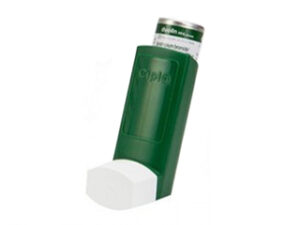
Tiotropium Bromide (Inhalation) – Patient Information
Tiotropium bromide is a medicine used to help control breathing problems in long-term lung conditions. It works by relaxing airway muscles and keeping airways open for longer periods, making it easier to breathe.
This page provides patient-friendly information about how tiotropium bromide works, how it is typically used, and what to consider for safe and effective use in the United Kingdom.
Quick Overview
| Topic | Summary |
|---|---|
| Medicine name | Tiotropium bromide |
| Medicinal form (common) | Inhalation capsules for use with a HandiHaler® (or similar device); inhalation solution for nebulisation in some products |
| Drug class | Long-acting muscarinic antagonist (LAMA), anticholinergic |
| Typical use | Chronic obstructive pulmonary disease (COPD); sometimes used in asthma as part of specialist management |
| How it is taken | Regular inhaled dosing (often once daily, depending on the specific product) |
| Key benefit | Improves airflow and reduces symptoms; helps prevent flare-ups in COPD |
| Common side effects | Dry mouth, throat irritation, cough, constipation; occasionally dizziness or urinary retention symptoms |
Basic Product Information
- Active ingredient: Tiotropium bromide
- How it works: Anticholinergic bronchodilator (LAMA)
- Routes: Inhalation (via specific device depending on the product)
- Typical dosing frequency: Commonly once daily for many tiotropium products (always follow your product’s instructions)
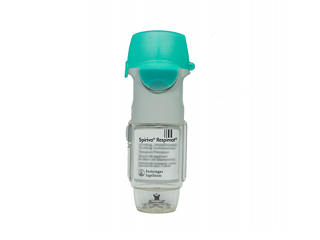
Brand names and delivery devices can vary (for example, capsules used with an inhalation device such as HandiHaler®, or other inhaler types). Always use the exact device supplied with your medicine and follow the instructions in the patient leaflet.
Mechanism of Action (How Tiotropium Bromide Works)
Tiotropium bromide is a long-acting muscarinic antagonist. In the airways, the parasympathetic nervous system releases acetylcholine, which can tighten airway smooth muscle and increase mucus secretion.
Tiotropium blocks muscarinic receptors (especially M3 receptors) in the bronchial smooth muscle. This leads to:
- Bronchodilation: relaxing airway muscles to widen airways
- Reduced mucus effects: helping lessen the impact of excessive mucus
- Longer symptom control: because the blockade lasts for a prolonged period
The result is improved airflow, reduced shortness of breath for many patients, and improved day-to-day breathing with regular use. It is designed for maintenance treatment, not for immediate relief of sudden breathlessness.
Pharmacokinetics (Absorption, Distribution, Metabolism, Excretion)
“Pharmacokinetics” describes how the body handles the medicine. For inhaled tiotropium, the key points are:
- Absorption: Tiotropium is delivered to the lungs. Only a portion is absorbed into the bloodstream.
- Onset and duration: Effects start after inhalation and are sustained, supporting once-daily use for many products.
- Distribution: Tiotropium distributes into tissues, with the lungs being a primary site of action.
- Metabolism: Tiotropium is not extensively metabolised; it largely remains unchanged.
- Excretion: The medicine is mainly eliminated via the kidneys (important for people with kidney problems).
Because the medicine is used by inhalation and has a long duration of effect, it is typically dosed regularly rather than when symptoms flare up.
Typical Use in the UK
In the United Kingdom, tiotropium bromide is used primarily for:
- COPD (Chronic Obstructive Pulmonary Disease): maintenance treatment to improve symptoms and reduce the frequency of exacerbations (flare-ups).
- Asthma: in some circumstances, as part of specialist-led management plans (the exact suitability depends on individual patient assessment and the specific product licensed for asthma).
Your clinician may choose tiotropium if you need long-term airway opening medication. It can be used alone or in combination with other inhalers, such as:
- Inhaled corticosteroids (for some patients)
- Long-acting beta-agonists (LABAs)
- Short-acting reliever inhalers (for sudden symptoms)
Indications (When It Is Used)
Tiotropium bromide is indicated according to product licensing and clinical guidelines. In practical terms:
- COPD: maintenance bronchodilator treatment to relieve symptoms and reduce exacerbations.
- Asthma: typically for selected patients under specialist review where a long-acting muscarinic antagonist is appropriate.
If you are unsure whether your product is intended for COPD or asthma, check the label and patient leaflet.
Dosing and Timing
Important: dosing varies by formulation (capsule vs inhalation solution vs other devices) and by brand. Always follow the instructions supplied with your specific medicine and any advice from your healthcare team.
Common dosing patterns
- Once daily use: Many tiotropium products are taken once daily for maintenance therapy.
- Regular schedule: use at the same time each day where possible to help maintain consistent control.
Timing tips
- Choose a time that fits your routine (morning or evening). If you use other inhalers, space them out if your inhaler instructions recommend it.
- If you miss a dose: take it when you remember unless it is close to your next dose. Do not take a double dose to make up for a missed one.
- Don’t stop or change your medicine without medical advice, even if you feel better—maintenance benefit depends on regular use.
How to Use Tiotropium Bromide (Practical Guidance)
Good inhaler technique is essential to get the medicine to where it is needed. Below are general tips; always follow the specific instructions for your device.
General steps
- Prepare: check the device instructions and ensure it is working correctly.
- Use correctly: load a capsule only into the correct inhalation device, or use the measured dose as directed.
- Breathe out gently: away from the mouthpiece before inhaling the dose.
- Inhale at the right pace: follow device guidance (some require a slow, deep inhalation).
- Hold breath briefly: if your device leaflet instructs it, hold your breath to allow deposition in the lungs.
- Check your dose delivery: if using capsules, ensure the capsule is empty after inhalation.
Rinse and aftercare
Tiotropium is not the same as steroid inhalers, so mouth rinsing is not always mandatory. However, if you experience throat irritation, you may benefit from drinking water after use (and if you also take inhaled corticosteroids, mouth rinsing is often recommended).
Food Interactions
Tiotropium bromide is inhaled, and its main effects are local in the lungs. As a result, food interactions are not expected to be clinically significant.
- You can generally take it with or without food.
- If your healthcare team has advised you to take other medicines at specific times with food, follow their instructions.
Alcohol Interactions
No direct interaction between tiotropium bromide and alcohol is commonly expected. However, alcohol may worsen breathing for some people by affecting airway control, sleep quality, and dehydration.
- If you notice increased breathlessness after drinking alcohol, consider reducing or avoiding alcohol.
- Keep your use of alcohol moderate, and seek advice if you have severe COPD or breathing problems.
Interactions With Other Medicines
Tiotropium is an anticholinergic. The main interaction concern involves other medicines with anticholinergic effects. Using multiple anticholinergic medicines may increase the risk of side effects such as dry mouth or constipation.
Tell your healthcare team if you take
- Other anticholinergic/“antimuscarinic” inhalers or medicines
- Some medicines for overactive bladder or similar conditions that have anticholinergic actions
- Other inhaled bronchodilators prescribed alongside tiotropium (usually acceptable, but your regimen should be reviewed)
Common combination
Tiotropium is often used with other maintenance inhalers for COPD, such as LABAs and inhaled corticosteroids, depending on your symptoms and risk of exacerbations. Your prescriber will design the combination for your needs.
Safety Profile (Possible Side Effects)
Like all medicines, tiotropium bromide can cause side effects. Not everyone gets them. Side effects may be mild and settle with time, but some require urgent attention.
Common or likely side effects
- Dry mouth
- Throat irritation
- Cough
- Constipation
- Headache or mild dizziness (less commonly)
Less common but important side effects
- Urinary retention symptoms (difficulty passing urine) – more likely in people with prostate enlargement or bladder outflow problems
- Vision changes or eye pain (rare, but seek urgent advice if severe)
- Allergic reactions such as rash, swelling, or difficulty breathing
Seek urgent medical help if
- You develop severe allergic symptoms (swelling of face/lips, trouble breathing, widespread rash)
- You experience new severe eye pain, halos around lights, or sudden vision changes
- You cannot urinate and feel significant discomfort
- Your breathing suddenly worsens significantly and doesn’t improve with your reliever inhaler
Who Should Use Caution?
Tiotropium may be unsuitable or require extra monitoring in some situations. Discuss your medical history with a healthcare professional if you have:
- Kidney problems (tiotropium is cleared mainly by the kidneys)
- Urinary retention, enlarged prostate, or bladder outflow obstruction
- Severe eye conditions (especially narrow-angle glaucoma)
- Difficulty coordinating inhalation (technique is important; you may need inhaler training or a different device)
- History of severe allergic reactions to similar medicines
What to Expect: Effectiveness and Time to Notice
Many people notice breathing improvements within days, though the full benefits of regular maintenance therapy may take longer. With COPD, consistent daily use helps maintain symptom control and may reduce exacerbations over time.
- Keep taking it daily even if you feel stable.
- If symptoms persist or worsen, ask your clinician to review your diagnosis and inhaler technique.
Practical Use Tips for Better Outcomes
1) Master inhaler technique
- Ask a pharmacist or nurse to watch you use your device.
- If the technique is incorrect, medicine delivery to the lungs can be poor—this can make it look like the medicine “doesn’t work.”
2) Use a reminder system
- Link dosing to a routine (e.g., after brushing teeth).
- Consider phone alarms or medication reminders.
3) Track symptoms and reliever use
- Keep note of breathlessness, cough, and how often you need a reliever inhaler.
- An increase in reliever use may indicate worsening control and should be discussed promptly.
4) Stay physically active if safe
Pulmonary rehabilitation and gentle activity can complement inhaled therapy for COPD. Discuss safe activity plans with your healthcare team.
5) Watch for trigger management
- Stop smoking if you smoke, and avoid second-hand smoke where possible.
- Follow advice on vaccinations (such as flu and pneumococcal) where recommended.
Alternative Options
Depending on your condition, symptoms, and previous treatment response, healthcare professionals may consider alternatives such as:
- Other LAMAs (long-acting muscarinic antagonists): different tiotropium formulations or other LAMA medicines
- LABAs (long-acting beta2 agonists): for bronchodilation and symptom control
- ICS/LABA combinations: for selected patients, especially where inflammation control is needed
- Short-acting reliever inhalers: such as salbutamol or similar medicines for sudden breathlessness
- Nebulised bronchodilators: in certain situations (device coordination issues, severe symptoms, or specialist plans)
Your healthcare team can advise which option best matches your symptoms and treatment goals. Do not switch devices or medicines without professional guidance.
UK Market and Legal/Regulatory Context
In the United Kingdom, tiotropium bromide inhalers and related formulations are regulated medicines. Availability may depend on the specific product, formulation type, and licensing details for indications. For patients, this usually means you can access tiotropium through authorised healthcare routes and approved pharmacies.
Prescribing and dispensing practices follow UK healthcare standards and regulatory requirements set by the Medicines and Healthcare products Regulatory Agency (MHRA), and clinical recommendations are guided by national frameworks (including initiatives and guidance used by NHS services and respiratory specialists).
If you are buying or using a tiotropium product online, ensure the medicine and device match what you were trained to use, and check the expiry date and packaging integrity when delivered.
Recent Guidance and Clinical Perspective (General)
COPD and asthma treatment strategies in the UK emphasise:
- Right treatment for the right patient: based on symptom burden and exacerbation risk
- Regular review: inhaler technique, adherence, and whether treatment needs stepping up or down
- Smoking cessation and non-drug measures: alongside medication
- Individualised combinations: such as LAMA/LABA and, when needed, inhaled corticosteroids
Tiotropium is commonly part of maintenance treatment pathways for COPD, especially when long-acting bronchodilation is required. Your clinician may adjust your regimen if you experience exacerbations, persistent symptoms, or side effects.
Delivery and Availability (Online Pharmacy Considerations)
Availability can vary by product type (e.g., capsule devices versus nebuliser solutions) and packaging size. When ordering online in the UK, it helps to:
- Check that the product matches the correct strength and form you use
- Verify the device compatibility (if your regimen uses capsules, ensure you have the correct inhalation device)
- Confirm the pack size and expiry information
- Plan ahead to avoid running out of maintenance medicine
Many online pharmacies offer standard and expedited delivery options depending on location and stock. Delivery times may vary due to logistics and supplier availability.
Frequently Asked Questions (FAQ)
1) Is tiotropium bromide a reliever inhaler?
No. Tiotropium bromide is a maintenance inhaled medicine for longer-term control. It is not typically used for sudden attacks of breathlessness. Your reliever inhaler (often short-acting) should be used for acute symptoms as advised by your clinician.
2) How long does it take to work?
Some people notice improvement relatively quickly, but full benefit can take longer with regular use. In COPD, consistent dosing is key for symptom stability and reducing exacerbations over time.
3) Can I stop taking it if I feel better?
It’s generally not recommended to stop without medical advice. Breathing control often depends on continued maintenance therapy. If side effects or problems occur, speak to a healthcare professional rather than stopping abruptly.
4) What if I miss a dose?
If you miss a dose, take it when you remember unless it is close to the next scheduled dose. Do not take a double dose to compensate.
5) Does food affect tiotropium?
Food interactions are not expected to be clinically significant because tiotropium is inhaled and acts mainly in the lungs. You can usually take it with or without food.
6) Can I drink alcohol while using tiotropium?
No direct interaction is commonly expected. However, alcohol may worsen breathing in some people and can affect overall health. If you find alcohol worsens your symptoms, consider reducing intake or avoiding alcohol.
7) Are there medicines I should avoid?
Be cautious with other medicines that have anticholinergic effects. Always tell your pharmacist or clinician about all medicines you use, including inhalers, tablets, and medicines for bladder symptoms.
8) What side effects are most common?
Commonly reported side effects include dry mouth, throat irritation, cough, constipation, or mild discomfort. Seek advice if side effects persist or are troublesome.
9) What are warning signs that need urgent help?
Seek urgent medical help if you develop signs of a severe allergic reaction, sudden vision changes with eye pain, or symptoms suggesting severe urinary retention (inability to pass urine).
10) Can I use tiotropium if I have kidney problems?
Because tiotropium is mainly eliminated by the kidneys, people with kidney impairment may need closer monitoring. Discuss your kidney function with a healthcare professional before or after starting treatment.
Key Takeaways
- Tiotropium bromide is a long-acting inhaled bronchodilator used mainly for COPD maintenance.
- It works by blocking muscarinic receptors to relax airway muscles and keep airways open.
- It is generally taken once daily (depending on the product) on a regular schedule.
- Technique matters: correct inhaler use improves effectiveness.
- It’s not a reliever: keep your fast-acting inhaler for sudden symptoms.
Always read the patient leaflet supplied with your particular tiotropium product and follow the guidance from your healthcare professional. If you have questions about your medicine, dosage device, or side effects, speak to a pharmacist or clinician.