
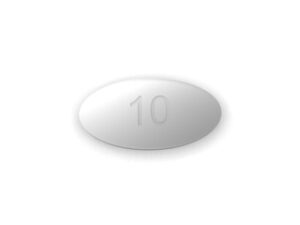
Ursodiol (Ursodeoxycholic Acid) — Patient Information (UK)
Ursodiol is a medicine containing ursodeoxycholic acid (UDCA), a naturally occurring bile acid used in specific liver and gallbladder conditions. This page explains how Ursodiol works, how it is usually taken, what to expect, and key safety information for people in the United Kingdom.
Note: Always follow the advice of a qualified healthcare professional and the instructions on your medicine label. If anything is unclear, ask your pharmacist.
Basic product information
- Active ingredient: Ursodeoxycholic acid (UDCA)
- What it is used for: Mainly certain bile-related conditions (for example, some types of gallstones and specific cholestatic liver diseases)
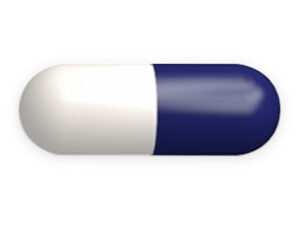
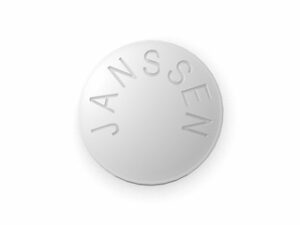
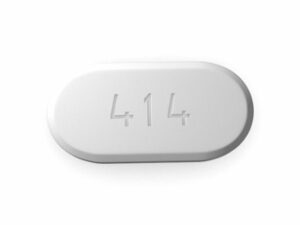
- How it is taken: By mouth, usually as tablets or capsules
- Typical dosing strength: Commonly 250 mg or 500 mg tablets/capsules (strength can vary by brand)
Availability in the UK can vary by brand and formulation. Your pharmacist can confirm the exact strength and presentation you will receive.
How Ursodiol works (mechanism of action)
UDCA is a bile acid that helps improve bile flow and protect bile ducts and liver cells. Its main actions include:
- Dissolving certain cholesterol gallstones: UDCA reduces cholesterol saturation in bile and helps gradually dissolve cholesterol-rich stones.
- Improving bile flow (cholestasis): It can make bile less “irritating” and support more effective movement of bile through bile ducts.
- Changing bile acid composition: UDCA replaces more hydrophobic, potentially more damaging bile acids, which may reduce inflammation and cell stress.
- Supporting cell protection: It may help protect liver and bile duct cells from bile acid-related injury.
Because gallstone dissolution and liver disease improvement take time, Ursodiol may be used for months to years depending on the condition.
Pharmacokinetics (what the body does to the medicine)
Understanding how UDCA behaves in the body can help set expectations.
- Absorption: UDCA is absorbed in the small intestine. Food may influence the way bile acids are processed, which can affect absorption and bile delivery.
- Metabolism: UDCA undergoes metabolism in the gut and liver. Some transformation occurs by intestinal bacteria.
- Distribution: UDCA circulates in bile and is taken up again by the liver.
- Elimination: Excretion occurs mainly through bile into the digestive tract, with some clearance via faeces.
Half-life: The exact half-life varies between individuals and depends on liver function and bile flow. In people with cholestatic disease, handling of bile acids can differ from healthy individuals.
Typical uses in the UK
Ursodiol/UDCA is used for carefully selected bile-related conditions. The exact indication depends on your diagnosis and bile/gallstone characteristics.
Common indications
- Primary biliary cholangitis (PBC): UDCA is a standard treatment intended to slow disease progression in eligible patients.
- Cholesterol gallstones: For selected people with small, radiolucent (non-calcified) cholesterol stones and a functioning gallbladder, UDCA may be used to dissolve gallstones.
- Other cholestatic disorders: In some cases, UDCA may be used based on specialist assessment and local guidance.
Important: UDCA is not suitable for all gallstone types. Calcified stones and pigment stones often do not respond well.
When to take Ursodiol (timing and routine)
The best timing depends on your prescribed regimen and whether you take it as part of a long-term plan.
General guidance for timing
- Take consistently: Use the same times each day to maintain steady bile acid levels.
- With food or as advised: Some people find taking UDCA with meals helps reduce stomach upset. However, follow your local label directions or clinician advice.
- Do not double up: If you miss a dose, take it when you remember unless it’s close to the next dose. Don’t take two doses at once.
Gallstone treatment timeframe: If UDCA is being used to dissolve gallstones, improvements may take months. You may need repeated imaging to assess progress.
Food interactions and dietary considerations
Food can influence how bile acids work and may affect tolerability.
Possible food-related effects
- Fatty meals: Since UDCA is involved in bile flow, very high-fat meals may affect symptoms in some people (for example, nausea or abdominal discomfort).
- Meal consistency: Regular mealtimes may help stabilise how you feel when taking UDCA.
Practical diet tips
- Stay hydrated and eat balanced meals.
- If you notice nausea, try taking the dose with food (unless your label advises otherwise).
- If you have gallbladder symptoms triggered by meals, discuss meal pattern changes with your clinician.
Cholesterol gallstone context: Dietary changes alone usually cannot replace UDCA when dissolving stones is intended. However, a healthy diet supports overall liver and cardiovascular health.
Alcohol and medicine interactions
Alcohol can affect the liver, and liver conditions are part of the contexts where UDCA is used. Caution is advised.
Alcohol
- General recommendation: Limit alcohol and discuss a safe level with your healthcare professional, especially if you have liver disease.
- Risk: Alcohol may worsen liver inflammation or interfere with recovery, making it harder to monitor treatment response.
Medicine interactions (important)
Certain medicines can reduce how well UDCA works, especially those affecting bile acids.
- Bile acid sequestrants (e.g., some medicines used for cholesterol): can bind bile acids and may reduce UDCA effectiveness. Separate dosing times may be advised.
- Oral bile acid–binding antacids or similar products: may interfere with absorption.
- Cholesterol-lowering treatments: discuss timing and suitability.
- Hormonal therapies and other liver-metabolised medicines: may require monitoring, especially in cholestatic liver disease.
Always tell your pharmacist about all medicines you take, including over-the-counter products and herbal remedies. Interaction checking is important because liver metabolism and bile handling can vary.
Dosing (how Ursodiol is commonly taken)
Dosing is individual and depends on the condition being treated, liver function, and response to therapy. The information below provides general patterns; your label or specialist plan takes priority.
Typical dosing patterns
- Primary biliary cholangitis (PBC): UDCA is commonly taken at a total daily dose based on body weight, split into 2–3 doses per day (commonly morning/evening).
- Cholesterol gallstone dissolution: A daily dose is used with regular follow-up imaging to confirm suitability and response.
Do not change your dose without advice. If your dose is not tolerated or symptoms change, seek medical guidance before adjusting.
Dose timing example (illustrative)
Many regimens split the total daily dose to improve tolerability and maintain consistent exposure.
| Regimen style | How it’s often divided | When to take |
|---|---|---|
| Twice daily | Half dose morning, half dose evening | With breakfast and with dinner |
| Three times daily | One-third dose three times | With meals (morning, midday, evening) |
Missing a dose: Take it as soon as you remember, unless it is nearly time for the next dose. If you’re unsure, ask your pharmacist.
Safety profile and side effects
Most people tolerate UDCA reasonably well, but side effects can occur. Report persistent symptoms to your healthcare professional.
Common side effects
- Diarrhoea or looser stools
- Abdominal discomfort or nausea
- Indigestion
- Headache (reported by some people)
Less common but important reactions
- Allergic reactions such as rash, itching, swelling, or breathing difficulties (seek urgent help)
- Worsening liver or bile symptoms (for example, new or increasing yellowing of skin/eyes, severe abdominal pain, fever)
When to seek urgent medical advice
- Severe abdominal pain
- Fever or chills
- Yellowing of skin/eyes that rapidly worsens
- Signs of an allergic reaction (facial swelling, trouble breathing, widespread rash)
Pregnancy, breastfeeding and fertility
If you are pregnant, trying to conceive, or breastfeeding, discuss UDCA with your healthcare team. The benefit–risk assessment depends on your condition and severity.
Practical use tips
Make treatment easier
- Use a dosing schedule: Set a daily reminder on your phone.
- Keep tablets/capsules in original packaging and store at room temperature unless your label says otherwise.
- Don’t stop early: For chronic liver conditions or stone dissolution, benefits may take time and discontinuation can reduce effectiveness.
- Attend follow-up tests: Liver blood tests or ultrasound/MRI for gallstones may be needed to monitor progress.
Monitoring and expectations
- PBC: Blood tests often monitor liver enzymes and bilirubin. Some people show a biochemical response; your clinician may use results to guide long-term planning.
- Gallstones: Imaging can assess stone size and number. If stones do not respond, alternative strategies may be considered.
Alternative options
Alternatives depend strongly on the underlying condition. Below are commonly considered options; your specialist will tailor choices to your medical history and test results.
For primary biliary cholangitis (PBC)
- Obeticholic acid may be considered in certain patients who do not respond adequately to UDCA or cannot tolerate it.
- Fibrates (in specialist use) may be considered for some people, typically as adjunct therapy.
- Supportive care for symptoms such as itching (pruritus) and management of vitamin deficiencies may be needed.
- Liver transplant evaluation is considered in advanced disease for those who progress despite therapy.
For gallstones
- Surgery (cholecystectomy) is often the definitive option for symptomatic gallstones.
- Endoscopic or other specialist procedures may be used depending on whether stones affect bile ducts.
- Other medical dissolution strategies are limited; UDCA is one of the main non-surgical options for selected cholesterol stones.
Reminder: Not all alternatives are suitable for everyone. Discuss options with a clinician who knows your scan results and lab tests.
Market and legal context in the United Kingdom
In the UK, medicines are regulated by the Medicines and Healthcare products Regulatory Agency (MHRA). Product availability can vary by formulation and supply, and medicines are distributed through licensed wholesalers and pharmacy supply chains.
Clinical use of UDCA for approved indications follows national and specialist guidance and is influenced by evidence, local formularies, and monitoring outcomes.
Supply considerations: During times of increased demand or manufacturing delays, certain strengths or brands may temporarily become unavailable. Your pharmacist can advise on suitable alternatives (such as different strengths, equivalent presentations, or different brands if appropriate).
Recent guidance and monitoring (UK-relevant)
Guidance for cholestatic liver diseases continues to evolve as new evidence becomes available. In PBC, UDCA remains the foundation for most eligible patients. Specialist follow-up often includes:
- Regular liver blood tests to assess response
- Risk stratification based on biochemical response patterns
- Earlier consideration of second-line therapy when response is inadequate, guided by specialist reviews
- Symptom management (for example, itch) and supportive care
Your care team may refer to up-to-date national or international consensus statements alongside UK specialist practices.
Delivery, availability and ordering in the UK
Online pharmacy supply in the UK typically involves secure packaging and dispatch from licensed fulfilment sites. Delivery timelines can vary depending on the courier service and whether the product is in stock.
What you can expect
- Stock status: Some strengths or pack sizes may be limited temporarily.
- Packaging: Medicines are usually supplied in protective packaging to maintain product integrity.
- Tracking: Many deliveries include tracking updates.
- Availability: If a specific brand/strength is unavailable, the pharmacy may offer an equivalent option where appropriate and permitted.
Tip: If you need your medicine by a specific date, check estimated delivery times at checkout or contact customer support.
FAQ — Ursodiol (Ursodeoxycholic acid)
1) What is Ursodiol used for?
Ursodiol (UDCA) is used for specific bile-related conditions, most notably primary biliary cholangitis (PBC) and selected cholesterol gallstone cases where gallstones are likely to dissolve and the gallbladder is functioning. The exact suitability depends on imaging and blood test results.
2) How long does Ursodiol take to work?
It depends on the condition. For gallstone dissolution, changes can take months and are assessed by imaging. For PBC, blood test improvements are often monitored over weeks to months, with longer-term assessment for disease control.
3) Should I take Ursodiol with food?
Many people take UDCA with meals to help tolerability, but follow your specific label instructions. If your clinician advised a particular schedule, keep to that routine.
4) Can I drink alcohol while taking Ursodiol?
Because UDCA is often used in liver-related conditions, it’s best to limit alcohol and discuss an appropriate level with your healthcare team. Alcohol may worsen liver health and complicate monitoring.
5) Are there medicines that should not be taken together?
Some medicines that bind bile acids (such as certain cholesterol-lowering or bile-acid sequestrant products) may reduce UDCA effectiveness. Always tell your pharmacist about all medicines and supplements you use.
6) What side effects should I watch for?
Common effects include diarrhoea, abdominal discomfort, and nausea. Seek urgent help for severe abdominal pain, fever, rapidly worsening jaundice, or signs of allergy (rash with swelling or breathing difficulty).
7) What if I miss a dose?
Take it when you remember unless it is close to the next scheduled dose. Do not take double doses. If you are unsure, ask your pharmacist for advice based on your regimen.
8) Can I stop Ursodiol when I feel better?
UDCA is often used long-term to control disease or dissolve stones gradually. Stopping without advice can reduce effectiveness. Discuss any changes with a clinician or pharmacist.
9) Is Ursodiol the same as ursodeoxycholic acid?
Yes. Ursodiol is a brand/reference name commonly used for medicines that contain ursodeoxycholic acid (UDCA). Different brands may have different strengths.
10) Will Ursodiol cure the underlying condition?
For PBC, UDCA aims to control disease progression and improve outcomes, not necessarily “cure” it. For gallstones, dissolution may occur in selected cases, but stones can sometimes recur. Your specialist will review response over time.
Need more help? If you have questions about your dose schedule, timing with meals, or potential interactions with other medicines, speak to your pharmacist. If you experience symptoms that worry you, contact a healthcare professional promptly.