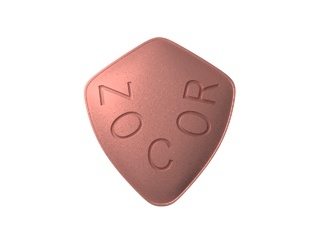

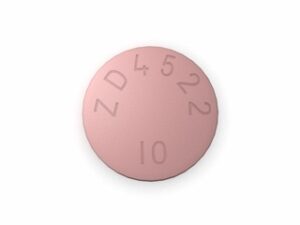
Zocor (Simvastatin) – Patient Information (UK)
Zocor is a brand of simvastatin, a medicine used to lower cholesterol. It belongs to a group of medicines called statins. This page explains how Zocor works, how it is used in the UK, what to expect, and key safety information.
Always follow the instructions provided with your medicine. If you have questions or concerns, speak to a healthcare professional.
1. Basic product information
- Medicinal ingredient: Simvastatin
- Medicine type: Statin (lipid-regulating medicine)
- Common forms: Tablets (strengths vary by product)
- Use in the UK: Helps reduce cholesterol levels and lowers risk of certain cardiovascular events
What cholesterol is: Cholesterol is a fatty substance found in the blood. Too much “bad” cholesterol (LDL) can contribute to plaque build-up in arteries, increasing the risk of heart attack and stroke.
2. How Zocor works (mechanism of action)
Simvastatin lowers cholesterol mainly by:
- Blocking HMG‑CoA reductase: This is an enzyme involved in cholesterol production in the liver.
- Increasing LDL receptor activity: The liver removes more LDL (“bad” cholesterol”) from the bloodstream.
- Reducing triglycerides and raising HDL (“good” cholesterol”) to a smaller extent.
Why this matters: Lowering LDL cholesterol helps reduce the likelihood of cardiovascular events such as heart attack, stroke, and the need for some procedures.
3. Pharmacokinetics (how the body handles simvastatin)
Understanding pharmacokinetics can help you appreciate why timing and interactions matter.
- Absorption: Simvastatin is absorbed from the gut after a tablet is taken.
- First-pass metabolism: Much of it is metabolised in the liver before it reaches the bloodstream.
- Prodrug concept: Simvastatin is converted into its active form primarily in the body.
- Half-life: The clinically relevant effect relates to the active metabolites; the overall drug and metabolite elimination occurs over many hours.
- Excretion: Metabolites are eliminated mainly via bile and the digestive tract.
Clinical implication: Because cholesterol production varies during the day, simvastatin is usually taken in the evening (see “Timing” below).
4. Typical uses and indications in the UK
Zocor is used to treat high cholesterol and to reduce cardiovascular risk in people who may be at higher risk, depending on their individual profile.
Common indications include
- Primary hypercholesterolaemia (including familial forms): to lower total cholesterol, LDL cholesterol, and triglycerides.
- Mixed dyslipidaemia: when both LDL cholesterol and triglycerides are elevated.
- Prevention of cardiovascular disease in people at increased risk (for example, those with established coronary disease or other risk factors), as part of an overall risk-reduction plan.
Important note: Your exact indication and target cholesterol levels depend on your overall risk, previous cardiovascular history, and other treatments.
5. How to take Zocor – dosing and timing
General dosing approach: Your dose depends on your cholesterol levels, your cardiovascular risk, and factors that may increase the risk of side effects (particularly muscle-related problems). Dose adjustments are determined by your healthcare professional.
Typical dose (adults)
Doses vary by product strength and indication. Many people start on a low-to-moderate dose and may be adjusted based on cholesterol response and tolerability.
- Typical starting doses are often in the range used for general cholesterol lowering.
- Maximum dose depends on clinical guidance and any interacting medicines.
Do not exceed the recommended maximum for your situation. Interactions can require dose limits.
Timing
- Take in the evening (often at bedtime), because cholesterol synthesis is highest at night.
- Try to take it around the same time each day.
If you miss a dose
- If you remember within the same day, you can take it as advised by the product instructions.
- If you notice it the next day, skip the missed dose and take the next dose at the usual time.
- Do not take a double dose to make up for a missed tablet.
6. Food interactions and eating considerations
Food: Zocor can generally be taken with or without food. However, consistent routines help you remember your dose.
Grapefruit: Grapefruit and grapefruit juice can increase the risk of side effects in some statins by affecting metabolism. While simvastatin is one of the statins where grapefruit-related caution is commonly advised, the safest approach is to avoid grapefruit products unless your healthcare professional confirms they are suitable for you.
General lifestyle support: For best results, continue dietary measures recommended by your healthcare team (for example, reducing saturated fat and increasing fibre), and maintain regular physical activity as appropriate.
7. Alcohol and medicine interactions
Alcohol
Alcohol affects the liver. Because statins are processed by the liver and can rarely cause liver-related side effects, alcohol may increase risk in some circumstances.
- If you drink alcohol regularly or heavily, discuss this with a healthcare professional.
- Avoid excess alcohol and seek advice if you develop symptoms that could suggest liver problems (see “Safety profile” below).
Medicines that may interact with simvastatin
Some medicines can raise simvastatin levels in the body, increasing the risk of muscle injury (including rare but serious rhabdomyolysis). Interaction risk is especially important with medicines that inhibit specific metabolic pathways.
Examples of medicines that may interact include:
- Some antibiotics and antifungals (e.g., certain macrolides or azole antifungals)
- HIV medicines (certain protease inhibitors and related therapies)
- Some drugs for hepatitis C (certain antiviral regimens)
- Other lipid-lowering medicines, such as:
- Fibrates (e.g., gemfibrozil, fenofibrate—may require dose limits and monitoring)
- Niacin (where used)
- Some immune system medicines (e.g., cyclosporine)
- Some heart rhythm medicines (certain calcium channel blockers may increase statin risk)
- Amiodarone (may increase statin exposure)
Always tell your healthcare professional and pharmacist about all medicines and supplements you take, including over-the-counter products and herbal remedies (for example, St John’s wort), as they may affect simvastatin metabolism.
8. Safety profile: important risks and how to reduce them
Most people taking Zocor do so without serious complications. Like all medicines, simvastatin has potential side effects. The most important are liver effects and muscle-related effects.
Common side effects
- Headache
- Stomach discomfort, nausea, constipation or diarrhoea
- Muscle aches (mild) can occasionally occur
Serious (seek medical advice urgently)
- Unexplained muscle pain, tenderness, weakness or cramps, especially if accompanied by fever or you feel very unwell
- Dark or cola-coloured urine (a potential sign of muscle breakdown)
- Yellowing of the skin or eyes, severe fatigue, or persistent upper abdominal pain (possible liver-related issues)
- Allergic reactions such as swelling of the face/lips, rash, or difficulty breathing
Practical risk reduction:
- Report muscle symptoms promptly.
- Do not start new interacting medicines without advice.
- Follow dose limits, especially if you take interacting medicines or have kidney or liver problems.
Monitoring (liver and cholesterol)
Your healthcare professional may arrange blood tests, which can include:
- Liver function tests before starting and sometimes after starting or changing dose
- Lipid profile to check response (LDL, total cholesterol, triglycerides)
Who should be extra cautious?
- People with liver disease
- Those with kidney impairment
- Older adults, particularly if taking multiple medicines
- People with a history of statin-associated muscle symptoms
9. Practical use tips (getting the best from Zocor)
- Make it routine: Taking Zocor in the evening helps you remember. Link it to your bedtime routine.
- Keep a medicine list: Update it whenever you receive new prescriptions or buy over-the-counter products.
- Don’t ignore muscle symptoms: Mild aches may occur, but unexplained or severe symptoms should be assessed.
- Stay consistent with diet and lifestyle: Statins work best alongside a heart-healthy diet, exercise (as advised), smoking cessation, and weight management.
- Check vaccinations and general health: Managing cardiovascular risk also includes overall health measures.
What to do if you need surgery or urgent treatment
Tell healthcare professionals you take simvastatin. If you are hospitalised or start new medicines, ask whether any new drug may interact and whether dose adjustment or temporary changes are needed.
10. Alternative options to Zocor (simvastatin)
If simvastatin is not suitable due to side effects, interactions, or your response, there are other cholesterol-lowering options. Which is best depends on your situation and risk profile.
Other statins
- Atorvastatin
- Rosuvastatin
- Pravastatin
- Fluvastatin
Non-statin lipid-lowering therapies
- Ezetimibe: reduces cholesterol absorption in the gut
- Bile acid sequestrants: bind cholesterol in the intestines
- PCSK9 inhibitors: injectable options for certain high-risk patients
- Bempedoic acid: an oral option for selected patients
Your healthcare professional can advise on the most appropriate alternative based on your cholesterol targets, medical history, and tolerance.
11. UK market and legal context (general overview)
In the United Kingdom, medicines such as Zocor are regulated and supplied according to UK medicines legislation. Statins are widely used and supported by clinical guidance for cardiovascular risk reduction.
Clinical responsibility: Decisions about starting, adjusting, or monitoring cholesterol treatment typically involve healthcare assessment to ensure safe use, appropriate dosing, and proper follow-up.
Supply and pharmacy processes: Online pharmacies in the UK must comply with legal requirements for medicines supply, customer verification, and product quality. Availability can vary by strength and packaging.
12. Recent guidance (what to expect in modern care)
UK cholesterol management commonly follows risk-based approaches. Guidance evolves as new evidence becomes available, but general themes remain:
- LDL cholesterol targets and intensity are selected based on cardiovascular risk and history.
- Statins are a first-line option for many people.
- Monitoring and safety checks are emphasised, including assessment of muscle symptoms and liver safety when indicated.
- Combination therapy may be considered if cholesterol goals are not met with statin alone.
Practical takeaway: If you do not reach your cholesterol goal after starting therapy, your clinician may adjust the dose, switch statin type, or add another lipid-lowering medicine.
13. Delivery and availability in the UK
Availability of Zocor depends on:
- Strength and pack size
- Manufacturer supply
- Current pharmacy stock
Delivery: Delivery options vary by online pharmacy. Many offer standard and express delivery within the UK. You may be asked to confirm your address and provide appropriate details before dispatch.
Storage: Keep tablets in their original packaging, protected from excessive heat and moisture, and out of reach of children.
Packaging and expiry: Check the expiry date before use. If packaging is damaged or tablets appear altered, do not use and contact the supplier.
14. FAQ
Can I take Zocor with other cholesterol medicines?
Sometimes yes, but combinations may increase side-effect risk, particularly with certain medicines like fibrates. Only use combination therapy if advised by a healthcare professional, and ensure they know all medicines you take.
Is Zocor safe to take long term?
For many people, statins are used long term to manage cholesterol and reduce cardiovascular risk. Long-term use is common, but safety monitoring and ongoing review are important, especially if you develop symptoms such as muscle pain or signs of liver problems.
What cholesterol changes should I expect?
Cholesterol levels typically start to improve within a few weeks. Your response is usually checked with blood tests, and your dose may be adjusted to reach your targets.
How soon does it start working?
Simvastatin begins working soon after you start, but the full effect is assessed after several weeks. Your clinician may schedule follow-up blood tests to confirm your response.
What should I do if I get muscle pain?
Contact a healthcare professional promptly, especially if pain is unexplained, severe, or associated with weakness, fever, or dark urine. Do not ignore these symptoms. Your clinician may review your medicines and consider stopping or changing treatment if needed.
Can I drink alcohol while taking simvastatin?
Occasional moderate alcohol may be acceptable for some people, but heavy or regular heavy drinking may increase liver risk. Discuss your alcohol intake with a healthcare professional.
Does grapefruit affect Zocor?
Grapefruit can increase statin levels and raise side-effect risk. A common safety recommendation is to avoid grapefruit products while taking simvastatin unless you have specific advice that it is safe for you.
Is it okay to miss a dose?
If you miss a dose, take it as advised when you remember. If it is close to the next dose, skip the missed dose and continue your normal schedule. Do not take a double dose.
Can I take Zocor if I’m pregnant or breastfeeding?
Statins are generally not recommended during pregnancy and certain periods of breastfeeding due to potential risks to the developing baby. Seek medical advice if you are pregnant, planning pregnancy, or breastfeeding.
Are there generic alternatives?
Simvastatin is available as a generic medicine in the UK. Your pharmacy may supply either brand or generic versions depending on availability and prescribing preferences.
15. Summary
Zocor (simvastatin) is a statin used in the UK to lower LDL cholesterol and help reduce cardiovascular risk. It is typically taken in the evening, with or without food, and should be used alongside heart-healthy lifestyle measures. Because interactions—particularly with certain antibiotics, antifungals, HIV medicines, and some other lipid-lowering drugs—can increase the risk of side effects, it’s important to share your full medicine list with healthcare professionals. If you experience muscle pain, weakness, dark urine, or symptoms suggesting liver problems, seek urgent medical advice.
If you would like, tell us the strength you’re interested in (e.g., tablet strength) and whether you have other medicines you take, and we can help you check availability and highlight key interaction cautions.