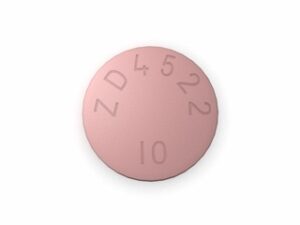
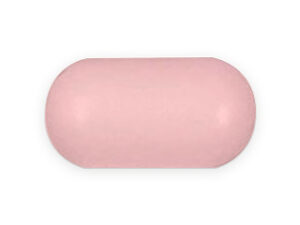
Ezetimibe (UK): Patient-Friendly Guide
Ezetimibe is a medicine used to lower cholesterol levels, particularly LDL cholesterol (“bad” cholesterol). It is often prescribed alongside other cholesterol-lowering treatments or used when a patient needs an additional option to help reach cholesterol targets.
This guide explains how ezetimibe works, how it’s used, what to expect, and important safety and interaction information, written for people in the United Kingdom.
Basic product information
| Category | Details |
|---|---|
| Active ingredient | Ezetimibe |
| Medicinal form | Tablets (various strengths depending on product) |
| Common dosage strength | Usually 10 mg once daily (see dosing section) |
| How it’s taken | By mouth |
| Typical effect | Reduces LDL cholesterol by limiting intestinal cholesterol absorption |
| Where it’s used | UK clinical practice for dyslipidaemia and cholesterol management |
What is ezetimibe used for?
Ezetimibe is used to treat high cholesterol levels, either on its own or in combination with other cholesterol-lowering medicines.
Indications (common reasons doctors may use it in the UK)
- Primary (familial or non-familial) hypercholesterolaemia: to lower LDL cholesterol when diet and lifestyle changes are not enough.
- Mixed hyperlipidaemia: when multiple fats/cholesterol types are elevated.
- Homozygous familial hypercholesterolaemia (as part of a broader treatment approach): to reduce cholesterol further when very high LDL levels are present.
- Adjunct to statin therapy: when statins alone do not achieve adequate cholesterol reduction.
- Adjunct to other lipid-lowering treatments, such as in some cases with bile acid sequestrants or alternative regimens where appropriate.
How ezetimibe works (mechanism of action)
Ezetimibe helps lower cholesterol by targeting cholesterol absorption in the intestines. Specifically, it reduces the amount of cholesterol taken up from the gut into the bloodstream.
More detail:
- It inhibits a protein involved in sterol (cholesterol-like substances) absorption in the intestinal wall.
- With less cholesterol absorbed, the body increases clearance of cholesterol from the blood.
- This leads to lower LDL cholesterol and often modest improvements in other lipid markers depending on the overall regimen.
Importantly, ezetimibe’s action is different from statins, which reduce cholesterol production in the liver. This is why the combination of ezetimibe with other treatments can provide additional LDL lowering.
Pharmacokinetics (how the body processes it)
Understanding pharmacokinetics can help set expectations about onset, consistency, and how it behaves in the body.
Absorption
After taking a tablet by mouth, ezetimibe is absorbed and is converted in the body to its active metabolite (glucuronide). This metabolite also contributes significantly to the cholesterol-lowering effect.
Distribution
The active metabolite circulates in the bloodstream and is distributed through the body to exert its lipid effects primarily through intestinal absorption inhibition.
Metabolism
The metabolism of ezetimibe involves conjugation to form a glucuronide metabolite, which is a major circulating form responsible for much of the activity.
Elimination
Ezetimibe and its metabolites are eliminated mainly via the bile and digestive tract.
Onset and time to effect
LDL cholesterol reduction typically appears within the first few weeks of therapy. The full effect is usually assessed with repeat blood tests after about 4–12 weeks (timing varies by clinician and local guidance).
Typical use and timing
Ezetimibe is usually taken once daily. Many people choose the same time each day to make it easier to remember.
- Best practice: Take your dose at a consistent time each day.
- Missed dose: If you miss a dose, take it when you remember unless it is close to the next dose. Do not take a double dose.
- Blood tests: Cholesterol levels are typically checked periodically to confirm response and guide adjustments.
Food interactions
Ezetimibe can generally be taken with or without food. This makes it convenient for most people’s daily routines.
However, always follow the directions given with your specific product and any advice from your healthcare team.
Alcohol interactions
Ezetimibe itself does not have a well-known direct “unsafe combination” with typical moderate alcohol intake. Still, alcohol may affect general cardiovascular risk, liver health, and adherence to a healthy lifestyle.
If you drink alcohol regularly, consider discussing it with your clinician, particularly if you have liver disease or if ezetimibe is being used together with other medicines that may affect the liver (such as statins).
Interactions with other medicines
Some medicines can influence how ezetimibe is absorbed or how the body handles lipids, and some combinations require closer monitoring.
Medicines and supplements that may be relevant
- Bile acid sequestrants (e.g., cholestyramine/colestipol): may reduce intestinal absorption when taken at the same time. Separation of doses may be recommended.
- Fibrates (e.g., fenofibrate): used for certain lipid problems. When combined, clinicians may consider monitoring because of potential effects related to bile and gallbladder risk.
- Statins (e.g., simvastatin, atorvastatin): commonly combined for additional LDL lowering. Monitoring for muscle-related symptoms and, in some cases, liver blood tests may apply as with statin therapy.
- Anticoagulants (e.g., warfarin): any changes in medication can affect bleeding risk. If warfarin is used, extra attention to clotting tests may be advised.
- Cholesterol absorption-related treatments: always inform your clinician and pharmacist about all lipid-lowering products you take.
- Herbal products and supplements: some may interact with other medicines or affect liver function; it’s best to disclose them.
Practical interaction tips
- Keep an up-to-date list of all medicines, including eye drops, creams, inhalers, and supplements.
- Ask a pharmacist before starting any new product.
- If you’re taking bile acid sequestrants, ask how to separate doses appropriately.
Dosing (how to take ezetimibe)
Ezetimibe dosing depends on the condition being treated and whether it’s used alone or with other lipid-lowering medicines.
Common adult dosing
- Typical dose: 10 mg once daily.
- Combination therapy: The dose is usually the same (10 mg once daily) when used alongside statins or other treatments, unless otherwise directed.
Children and adolescents
Ezetimibe use in younger people is specific to indication and local prescribing practice. Dosing may differ depending on age, diagnosis, and the product used.
If ezetimibe is being considered for a child, it’s important to follow clinician guidance and the product-specific instructions.
How to take your tablets
- Swallow with water.
- Take once daily at a consistent time.
- Do not stop or change the dose without medical advice, even if you feel well.
Safety profile and side effects
Most people tolerate ezetimibe well. Like all medicines, it can cause side effects in some individuals.
Common side effects
- Headache
- Stomach/abdominal discomfort
- Diarrhoea or loose stools
- Fatigue or general tiredness
Less common but important effects
- Muscle problems: when ezetimibe is used with statins, muscle-related symptoms can occur (including aches, tenderness, or weakness). Seek medical advice promptly if you experience unexplained muscle pain or weakness.
- Liver blood test changes: especially in combination with statins. Clinicians may monitor liver enzymes based on your risk factors and overall regimen.
- Gallbladder issues: there may be an increased risk of gallstones or inflammation, particularly when used with certain other lipid-lowering medicines (such as fibrates). Symptoms can include right-sided upper abdominal pain, fever, nausea, or yellowing of the skin/eyes.
Serious symptoms—get urgent help
Contact urgent medical services or seek urgent care if you experience signs of a severe allergic reaction or serious liver/muscle problems, such as:
- Swelling of the face, lips, tongue, or throat; trouble breathing
- Severe abdominal pain, especially with fever or jaundice
- Severe or persistent muscle pain with weakness or dark urine
Practical use tips (getting the best results)
- Keep lifestyle measures in place: Ezetimibe works alongside diet and lifestyle changes. Continue healthy eating, regular physical activity, and avoid smoking where possible.
- Use reminders: Setting an alarm or using a medication app can reduce missed doses.
- Know your baseline: If you have cholesterol measurements from before starting, keep them so you can compare progress with later blood tests.
- Report symptoms early: If you develop new muscle pain, unusual fatigue, abdominal pain, or symptoms suggesting liver issues, tell your clinician promptly.
- Don’t stop suddenly: If you stop ezetimibe, cholesterol levels may rise again. Discuss any planned changes with your healthcare team.
- Be careful with multiple lipid medicines: If you take several cholesterol-related products, confirm the schedule with your pharmacist.
Alternative options (if ezetimibe isn’t suitable)
There are different ways to lower cholesterol, and the choice depends on your lipid profile, risk factors, other conditions, and how you respond to treatment.
Common alternatives
- Statins (e.g., atorvastatin, rosuvastatin): reduce cholesterol production and are often first-line for many people.
- Other cholesterol absorption treatments: there are other approaches depending on availability and indication.
- Fibrates: used more for triglyceride-related problems.
- Omega-3 fatty acids (in appropriate formulations): may help triglyceride levels for some patients.
- Bile acid sequestrants: can lower LDL cholesterol in some regimens.
- Injectable lipid-lowering therapies (specialist use in certain cases): for people needing stronger LDL reductions or who are intolerant to other medicines.
If you’re considering alternatives, a clinician can help select options based on your cholesterol levels and overall cardiovascular risk.
UK market and legal context (overview)
In the United Kingdom, ezetimibe is a regulated medicine available through appropriate healthcare channels. Supply and use are governed by UK medicines legislation and the responsibilities of healthcare professionals and pharmacists.
- Regulated use: Ezetimibe products must meet UK regulatory standards for quality, safety, and efficacy.
- Clinical monitoring: Cholesterol response and safety (including relevant blood tests when indicated) form part of routine lipid management.
- Guideline-based care: Treatment targets and combinations are generally based on recognised UK cholesterol management guidance and individual risk assessment.
Recent guidance and clinical considerations
Cholesterol management in the UK is guided by national and professional recommendations that emphasise:
- Assessing cardiovascular risk and aiming for appropriate LDL reduction.
- Using effective lifestyle measures alongside medicines.
- Choosing therapy based on patient factors, response, and tolerability.
- Considering combination therapy when targets are not reached with first-line treatment.
In practice, ezetimibe is often considered when additional LDL lowering is needed—commonly alongside statins or when statins are unsuitable for some people.
Delivery, availability, and how online purchasing works (UK)
Availability can vary by product brand and pack size. When you order online, delivery times depend on the pharmacy’s processing schedule and courier network.
- Check stock: Some strengths or pack sizes may be limited.
- Delivery times: The estimated delivery window is usually shown at checkout.
- Packaging: Medicines are typically dispatched in protective packaging for safety and compliance.
- Cold chain: Ezetimibe tablets do not usually require refrigeration.
If you have concerns about delivery timing or need help choosing a pack size, the online pharmacy support team can often assist.
Storage and handling
- Store at room temperature as directed on the pack.
- Keep the medicine in the original packaging.
- Keep out of reach of children.
- Check the expiry date on the pack before use.
FAQ: Ezetimibe
1) How long does it take for ezetimibe to work?
Many people see measurable LDL cholesterol reductions within the first few weeks. Clinicians often review blood results after around 4–12 weeks to judge response.
2) Can I take ezetimibe with food?
Yes. Ezetimibe can usually be taken with or without food, making it easier to fit into your routine.
3) What happens if I miss a dose?
Take it when you remember unless it is nearly time for your next dose. Do not take a double dose.
4) Does ezetimibe cause weight gain?
Weight gain is not a common direct effect of ezetimibe. If you notice changes in weight, it’s worth discussing with a clinician—especially if you are taking other lipid-lowering medicines or have changes in diet and activity.
5) Can I drink alcohol while taking ezetimibe?
Moderate alcohol intake is generally not known to be directly unsafe with ezetimibe. However, if you have liver concerns or take other medicines that may affect the liver, ask a clinician or pharmacist for personalised advice.
6) Are there interactions with warfarin (or other blood thinners)?
Ezetimibe may interact with warfarin in some cases, so extra attention to clotting monitoring may be recommended if you take anticoagulants. Always tell your pharmacist what you take.
7) Will ezetimibe lower my cholesterol enough on its own?
Some people achieve satisfactory reductions with ezetimibe alone, but others need combination therapy—particularly if their LDL levels are significantly high or targets are stringent based on risk.
8) What side effects should I watch for?
Common effects include headache, stomach discomfort, and diarrhoea. Contact a healthcare professional promptly for muscle pain/weakness (especially when combined with statins), persistent severe abdominal pain, signs of liver problems, or symptoms of a possible gallbladder issue.
9) Is ezetimibe safe for everyone?
Most people can take ezetimibe safely, but suitability depends on individual health factors, other medicines, and any liver or gallbladder history. A pharmacist or clinician can advise based on your circumstances.
10) What are the practical tips for taking it consistently?
Choose a consistent time each day, use reminders, continue your diet and exercise plan, and attend scheduled blood tests. If you’re prescribed additional lipid medicines, ask whether doses should be separated (especially with bile acid sequestrants).
Remember: This information is designed to help you understand ezetimibe. For personalised advice—especially if you have existing liver issues, muscle symptoms, multiple medicines, or concerns about interactions—speak with a qualified healthcare professional or pharmacist.