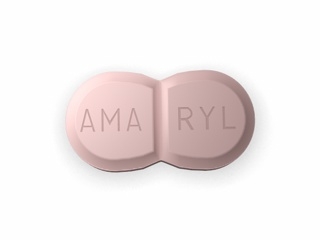

Amaryl (Glimepiride) – Patient-Friendly Guide (UK)
Amaryl contains glimepiride, a medicine used to treat type 2 diabetes. It helps lower blood glucose (sugar) levels by improving how your body uses insulin. This guide explains how Amaryl works, how it’s typically taken, what to expect, and important safety considerations—especially the risk of low blood sugar (hypoglycaemia).
At a Glance
- Medicine: Amaryl (glimepiride)
- Type: Sulfonylurea antidiabetic medicine
- Used for: Type 2 diabetes (often when lifestyle alone isn’t enough)
- Common benefit: Helps reduce blood sugar and HbA1c
- Main risk: Low blood sugar, particularly if doses are too high or meals are missed
Basic Product Information
| Item | Information |
|---|---|
| Brand name | Amaryl |
| Active ingredient | Glimepiride |
| Drug class | Sulfonylurea (oral blood-glucose lowering medicine) |
| How it’s taken | By mouth (tablet) |
| Typical dosing frequency | Usually once daily |
How Amaryl Works (Mechanism of Action)
Glimepiride belongs to the class of medicines called sulfonylureas. It works mainly by stimulating the release of insulin from the pancreas. This helps lower blood glucose after meals and over the day.
In addition to boosting insulin secretion, glimepiride may also improve insulin sensitivity to some extent. However, the key effect is increased insulin release, which is why the medicine can sometimes cause hypoglycaemia (low blood sugar), particularly if you:
- take too high a dose
- skip meals
- increase physical activity without adjusting food intake
- drink alcohol (which can increase hypoglycaemia risk)
- have reduced kidney or liver function
Pharmacokinetics (How the Body Handles the Medicine)
Pharmacokinetics describes how the body absorbs, distributes, metabolises, and eliminates a medicine. Understanding this can help explain timing and side effects.
Absorption and onset
Glimepiride is absorbed after taking a tablet. It typically reaches effective blood levels within a few hours. The exact timing can vary between individuals.
Distribution
Glimepiride binds to plasma proteins. This helps determine how much active drug is available in your bloodstream.
Metabolism
The medicine is metabolised largely in the liver. Metabolites are formed and may be less active than the parent drug.
Elimination
Glimepiride and its metabolites are eliminated primarily via the kidneys and to some extent through bile/faeces. Because elimination may be slower in some people (for example, with impaired kidney function), dose adjustments may be needed.
Typical Use in the UK
In the UK, glimepiride is generally used as an oral treatment for type 2 diabetes. It may be chosen when blood sugar targets are not met with lifestyle measures alone, and depending on your overall situation and clinical assessment.
Common goals include:
- reducing blood glucose levels
- helping lower HbA1c (a measure of average blood sugar over recent months)
- helping prevent diabetes complications over time by achieving better glycaemic control
When to Take Amaryl (Timing and Missed Dose Advice)
Amaryl is typically taken , often with breakfast or the first main meal of the day. Your prescriber may advise a specific schedule tailored to you.
Best timing
- Once daily with the first main meal (commonly breakfast).
- If your regimen changes (for example, shift work), your dosing should be aligned with when you eat.
If you forget a dose
If you miss a dose, do not take a double dose to catch up. Take your next dose at the usual time. If you’re unsure what to do, seek advice from a healthcare professional.
If you miss meals
Because glimepiride can increase insulin release, skipping meals can increase the risk of hypoglycaemia. If you are unable to eat as planned, speak with a healthcare professional about what to do.
Food Interactions: What to Know
Food doesn’t usually “cancel out” glimepiride, but meal timing and carbohydrate intake are important. Taking glimepiride with a meal helps reduce the risk of low blood sugar.
- Take with food (commonly breakfast/first meal) to lower hypoglycaemia risk.
- Keep meal patterns consistent where possible.
- Plan for exercise: longer or more intense exercise may require extra carbohydrates to prevent low sugar.
Alcohol and Medicine Interactions
Alcohol can increase the risk of hypoglycaemia with sulfonylureas like glimepiride. It may also affect how safe and reliable your blood-glucose monitoring is, and it can worsen diabetes control in the long term.
If you drink alcohol:
- avoid drinking on an empty stomach
- consider reducing intake and speak to a healthcare professional for personalised advice
- be aware that low blood sugar symptoms can feel similar to alcohol intoxication
If you have concerns about alcohol intake, including occasional heavier drinking, discuss with a clinician or diabetes team.
Indications: When Amaryl Is Used
Amaryl (glimepiride) is indicated for the treatment of type 2 diabetes mellitus to improve blood glucose control. It may be used:
- alone (if appropriate for your situation)
- in combination with other glucose-lowering medicines, depending on your diabetes management plan
Dosing: How Much Is Usually Taken?
Dosing must be individualised. Your prescriber will set your dose based on your blood glucose levels, HbA1c, other medicines, age, kidney function, and risk of hypoglycaemia.
Typical approach (general information)
- Starting dose is usually low to minimise hypoglycaemia risk.
- Adjustments may be made gradually based on response.
- Once-daily dosing is commonly used, often with breakfast or the first meal.
Never change your dose without advice. If you think the dose is too strong (for example, frequent low readings or symptoms), contact a healthcare professional promptly.
Factors that may require lower doses
- older age
- reduced kidney function
- inconsistent eating habits
- other medicines that increase hypoglycaemia risk
Safety Profile and Side Effects
Like all medicines, Amaryl may cause side effects. Most people tolerate glimepiride, but it’s important to know what can happen—especially hypoglycaemia.
Most important risk: Hypoglycaemia (low blood sugar)
Symptoms may include:
- sweating
- shaking/tremor
- hunger
- feeling anxious or irritable
- fast heartbeat
- headache
- dizziness
- confusion or difficulty concentrating
- in severe cases: loss of consciousness
If you suspect hypoglycaemia, take quick-acting carbohydrate (for example, glucose tablets or a sugary drink), then follow with longer-acting carbohydrates if needed. Seek urgent medical advice if symptoms are severe or you cannot safely treat yourself.
Other possible side effects
- Weight gain (can occur with some diabetes medicines, including sulfonylureas)
- Gastrointestinal upset (less common)
- Skin reactions (rare)
- Blood count changes (rare; may require monitoring if symptoms occur)
- Allergic reactions (rare; seek help urgently if swelling or breathing difficulties occur)
When to seek urgent help
Get urgent medical assistance if you experience:
- severe or persistent hypoglycaemia
- unconsciousness or seizures
- signs of a serious allergic reaction (e.g., difficulty breathing, facial swelling)
- unexplained severe weakness, high fever, or symptoms suggesting serious illness
Practical Use Tips (Daily Living Guidance)
Using Amaryl safely often comes down to consistency: food, monitoring, and knowing how your body responds. The tips below can help.
- Monitor blood glucose as advised (and especially when starting or changing dose). If you don’t currently monitor, ask your diabetes team what monitoring schedule fits you.
- Don’t skip meals. If you’re ill or eating less than usual, discuss how to manage your diabetes.
- Carry fast sugar if you’re at risk of hypoglycaemia (e.g., glucose tablets).
- Stay consistent with timing: taking the tablet with your first main meal helps reduce risk.
- Be cautious with exercise changes. Increased activity can lower blood glucose.
- Inform others (family/friends) that you take a medicine associated with hypoglycaemia, so they can help if you feel unwell.
Medicine Interactions (Other Medicines That May Matter)
Some medicines can increase or decrease the effect of glimepiride, raising the risk of low or high blood sugar. Always tell your healthcare professional about all medicines you take, including over-the-counter products and herbal supplements.
Common categories that may affect diabetes control
- Other glucose-lowering medicines (may increase hypoglycaemia risk)
- Some antibiotics (certain antibiotics can alter glucose control)
- Non-steroidal anti-inflammatory drugs (NSAIDs) in some cases
- Beta-blockers (may mask some hypoglycaemia symptoms such as palpitations)
- Corticosteroids (often raise blood glucose and may reduce glimepiride effect)
- Thyroid medications (thyroid changes can affect blood glucose needs)
- Alcohol and fasting (increase hypoglycaemia risk)
If you start, stop, or change dose of any other medicine, ask whether it affects hypoglycaemia risk or monitoring needs.
Safety Considerations in Special Circumstances
Pregnancy and breastfeeding
Diabetes management during pregnancy requires close specialist guidance. If you’re planning pregnancy or become pregnant, contact a healthcare professional urgently to discuss safe diabetes treatment options.
Kidney or liver problems
Reduced kidney or liver function can increase the risk of hypoglycaemia and may require careful dose choice and monitoring. Your clinician may monitor you more closely.
Older adults
People aged 65+ may have a higher risk of hypoglycaemia, especially if eating patterns are inconsistent or kidney function is reduced. A cautious approach is often used.
Illness (“sick day” situations)
During acute illness, appetite and blood sugar can change. Dehydration may also worsen blood glucose control. Ask your diabetes team for specific sick-day advice. Do not stop treatment without guidance, but you may need temporary adjustments.
Alternative Options (Other Treatments for Type 2 Diabetes)
Diabetes treatment is individual. If you are considering alternatives, your clinician may discuss options such as:
- Metformin (often first-line for many people, depending on suitability)
- Other sulfonylureas (similar class; differ in dosing and risk profile)
- DPP-4 inhibitors (often lower hypoglycaemia risk compared with sulfonylureas)
- GLP-1 receptor agonists (injectable options; may support weight management)
- SGLT2 inhibitors (oral options; have their own specific risks and monitoring needs)
- Insulin (when needed for tighter control or during certain phases of diabetes)
Your best choice depends on your HbA1c, weight goals, kidney function, cardiovascular risk, side effect tolerance, and other medical conditions.
Market and Legal Context in the UK
In the UK, medicines like Amaryl are regulated by the Medicines and Healthcare products Regulatory Agency and must comply with prescribing and supply regulations. Availability and advice may vary by supplier.
Diabetes medicines are also supported by national clinical guidance and local healthcare pathways, commonly involving GPs, diabetes specialist nurses, and diabetes teams.
Recent Guidance and Diabetes Management Trends (Overview)
Diabetes care in the UK continually evolves. Current practice often emphasises:
- personalised targets and treatment escalation based on individual risk
- cardiovascular and kidney benefit considerations for selected medicine classes
- structured education to improve self-management and reduce hypoglycaemia
- routine monitoring and review, especially after dose changes or new symptoms
While specific recommendations can differ for each person, your diabetes team will decide the most suitable approach for your health profile.
Delivery and Availability (UK Online Pharmacy Considerations)
Availability of Amaryl may depend on pharmacy stock levels and manufacturer supply. For online ordering in the UK, delivery options and dispatch times can vary by supplier and location.
- Check stock status on the product page before ordering.
- Allow time for dispatch, especially for multiple-item orders.
- Ensure correct address details for successful delivery.
- Packaging and storage: store tablets as directed on the outer carton, usually at room temperature away from moisture and excessive heat.
If you need guidance on timing delivery around your medication schedule, contact customer support.
Storage Advice
- Keep tablets in their original packaging.
- Protect from moisture (e.g., bathroom storage is usually not ideal).
- Keep out of the sight and reach of children.
- Do not use after the expiry date on the packaging.
FAQ – Frequently Asked Questions
1) What is Amaryl used for?
Amaryl (glimepiride) is used to treat type 2 diabetes by lowering blood glucose levels.
2) How quickly does Amaryl work?
It begins working after you take it and reaches effective blood levels within a few hours for many people. The full benefit is seen over time alongside regular monitoring and HbA1c checks.
3) Can I take Amaryl without eating?
It’s generally safer to take glimepiride with your first main meal because this reduces the risk of hypoglycaemia. If you’re planning to eat less or skip a meal, seek advice.
4) What should I do if I feel symptoms of low blood sugar?
Treat as hypoglycaemia: take fast-acting carbohydrate (glucose tablets or a sugary drink), then recheck/monitor as appropriate. If symptoms are severe, or you can’t safely treat yourself, get urgent help.
5) Does alcohol affect Amaryl?
Yes. Alcohol can increase the risk of low blood sugar with glimepiride. If you drink, avoid drinking on an empty stomach and consider discussing safe limits with a healthcare professional.
6) Can Amaryl cause weight gain?
It can. Weight gain is possible with sulfonylureas in some people. Eating habits and activity levels can also influence weight.
7) What other medicines interact with glimepiride?
Many medicines can affect blood glucose or the way your body responds. Particularly important are other glucose-lowering medicines, certain antibiotics, corticosteroids, beta-blockers, and medicines that affect liver metabolism. Always check with a healthcare professional.
8) Is Amaryl safe for everyone with type 2 diabetes?
Not necessarily. People with certain conditions (such as significant kidney or liver impairment) may need special monitoring or different treatment. Your clinician will assess suitability and dose.
9) What are good practical steps for preventing hypos?
Take your dose with food, don’t skip meals, keep meal timing consistent, monitor blood glucose as advised, and carry fast sugar if you’re at risk.
10) How do I choose an alternative if Amaryl isn’t working well?
Talk to your diabetes team. Alternatives include other oral medicines or injectables, and the choice depends on blood glucose patterns, HbA1c, weight goals, kidney function, and cardiovascular risk.
Important Reminder
This information is intended as a helpful overview for patients. It does not replace personalised medical advice. If you have concerns about side effects, interactions, or whether Amaryl is suitable for you, speak to a qualified healthcare professional.