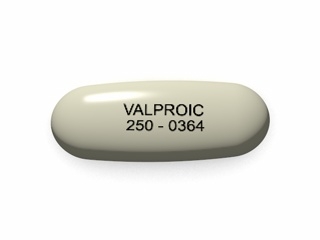

Valparin (Valproic Acid) — Patient Guide (UK)
Valparin is a brand of valproic acid, an anti-epileptic medicine used to treat certain seizure disorders and, in some cases, mood-related conditions. This guide is written to help you understand how the medicine works, how it is commonly taken, key safety considerations, and what to discuss with a healthcare professional.
This information is for general guidance. Your prescriber’s advice is always the most important factor for how and when to take your specific product and dose.
1) Basic product information
| Category | Details |
|---|---|
| Active ingredient | Valproic acid (often available as divalproex/valproate formulations depending on the product) |
| Brand name | Valparin |
| Medicinal use | Anti-epileptic (anti-seizure); sometimes used in certain bipolar conditions depending on local guidance and individual circumstances |
| How it may be taken | Tablets, capsules, or liquid preparations depending on availability and your local formulation |
| Common dosing style | Usually once or twice daily (depending on formulation), aiming for stable blood levels |
2) How Valparin works (mechanism of action)
Valproic acid helps control seizures and stabilise abnormal electrical activity in the brain. It also affects chemical messengers in the nervous system. While the exact mechanisms can be complex, key actions include:
- Increasing the effect of GABA (gamma-aminobutyric acid), a natural calming neurotransmitter.
- Modifying sodium and calcium channels involved in nerve signalling, which can reduce “over-firing” of neurons.
- Influencing signalling pathways that may contribute to seizure control and mood stabilisation.
Importantly, seizures often improve only after the medicine has reached effective levels and treatment has been ongoing for a period. If your dose is changed, it can take time to see the full benefit.
3) Pharmacokinetics (how the body handles it)
“Pharmacokinetics” describes what the body does to a medicine: absorption, distribution, metabolism, and elimination. For valproate, these steps can vary depending on formulation (immediate-release vs extended/modified release) and other medicines you take.
Absorption
- Valproic acid is generally absorbed through the gastrointestinal tract.
- Different formulations can change how quickly it releases into the body.
- Some products allow more stable blood concentrations over the day.
Distribution
- Valproate distributes throughout the body, including the brain.
- It is highly bound to blood proteins, meaning that certain medicines that displace protein binding may affect levels.
Metabolism
- Valproate is mainly processed by the liver.
- This is why liver safety is a major consideration, especially early in treatment or in people with risk factors.
Elimination
- Valproate is eliminated largely via the kidneys after metabolism.
- In some people, impaired liver function or certain interacting drugs can lead to higher exposure and side effects.
Blood monitoring
Many people benefit from periodic checks of medicine levels and/or blood tests, especially if there are side effects, dose changes, interactions, or special situations (e.g., pregnancy planning). Your healthcare professional will advise what is appropriate for your circumstances.
4) Typical use in the UK
Valparin (valproic acid) is commonly used to treat:
- Epilepsy — particularly certain seizure types and when other treatments may not be suitable or have not worked well.
- Bipolar disorder — in specific situations, under specialist guidance, depending on national and local practice. (Use for mood conditions is highly individualised.)
The choice to use valproate depends on seizure type, patient history, and safety considerations. In the UK, there is strong emphasis on minimising exposure in people who could become pregnant due to known risks to unborn babies.
5) Indications (what it may be used for)
In practice, valproate-based therapy is considered for individuals with:
- Epilepsy including generalised seizures and other specific seizure syndromes (depending on formulation and clinical judgement).
- Some mood-related conditions such as bipolar disorder, where appropriate and where the benefit is judged to outweigh risks.
If you’re unsure why you were given Valparin, ask your clinician or pharmacist. They can explain how it relates to your specific diagnosis and treatment plan.
6) Timing and how to take Valparin
Taking valproate at consistent times helps maintain steadier levels in the blood. Your schedule depends on your formulation (for example, whether it is immediate-release or a delayed/modified-release product).
Common timing patterns
- Once daily — often in modified/extended-release formulations.
- Twice daily — common for many traditional formulations.
When to take it during the day
- Take it at the times your prescriber/pharmacist advises. Many people choose morning and evening doses.
- If you take it twice daily, try to space doses evenly (e.g., 12 hours apart), unless your product instructions suggest otherwise.
- If you miss a dose, see the FAQ for general advice on what to do next.
Swallowing and measuring
- Tablets/capsules: swallow whole with water unless your product instructions state otherwise.
- Liquid: measure accurately using an oral syringe/spoon provided or recommended by your pharmacist.
7) Food interactions (taking with meals)
Valproate can generally be taken with or without food, but this may vary slightly depending on the formulation. If your stomach feels unsettled, taking it with food may reduce nausea.
- If your product label or pharmacist’s instructions say to take with meals, follow that advice.
- Try to keep your routine consistent (e.g., always with breakfast and dinner) to help prevent fluctuations.
8) Alcohol and medicine interactions
8a) Alcohol
Alcohol can increase the risk of side effects such as dizziness, drowsiness, and impaired reaction time. It may also worsen seizure control in some people by affecting sleep and brain activity.
- It’s best to limit or avoid alcohol unless your clinician says it is safe for you.
- Seek advice if you notice increased sedation or worsening symptoms after drinking.
8b) Medicine interactions
Valproate can interact with a number of medicines, which may change valproate levels, increase side effects, or reduce effectiveness. Tell your pharmacist/doctor about all medicines you take, including over-the-counter products and supplements.
Examples of medicines that may interact
- Other anti-epileptic medicines — some may raise or lower valproate levels or require dose adjustment.
- Carbapenem antibiotics (e.g., certain hospital antibiotics) — can affect valproate levels significantly; urgent clinical review may be required if these are considered.
- Some medicines that affect liver enzymes — may influence valproate metabolism.
- Medicines that affect blood clotting or platelet function — because valproate can, in some cases, affect blood counts.
- Antidepressants/antipsychotics — depending on your regimen, side effects such as drowsiness may add up.
- Warfarin and other anticoagulants — interaction and monitoring may be needed.
This is not a complete list. If you start, stop, or change any medicine, contact your pharmacist to check for interactions.
9) Dosing — general principles
Dosing is individual. The “right dose” depends on seizure type, age, weight, formulation, response to treatment, and blood test results where appropriate. Valproate is often started at a lower dose and increased gradually.
General dosing principles (not a personal prescription)
- Treatment commonly begins with a low initial dose, then gradually adjusted.
- Dose changes are often made at intervals to assess response and side effects.
- People may require different dosing schedules depending on their formulation (modified vs immediate release).
- Regular monitoring may be used to ensure safety (especially liver function and blood counts) and to support effectiveness.
Children and special populations
Dosing for children should only be managed by clinicians experienced in paediatric epilepsy care. Valproate has specific safety considerations in younger people. If your child takes Valparin, ask your pharmacist or paediatric neurologist about the exact measurement method for liquid formulations.
Missed dose guidance
If you miss a dose, do not double up to catch up unless your healthcare professional advises it. The best approach depends on how close you are to the next dose and the formulation you use. Refer to your medication instructions or ask your pharmacist for advice.
10) Safety profile — what to watch for
Like all medicines, valproate can cause side effects. Some are common and manageable, while others require urgent medical attention. If you’re concerned about any symptom, seek advice promptly.
Common side effects
- Nausea or upset stomach
- Drowsiness or dizziness
- Tremor or changes in coordination
- Weight gain in some people
- Hair changes (e.g., thinning) in some cases
Important serious risks (seek medical help urgently)
- Signs of liver problems — e.g., unusual tiredness, loss of appetite, severe abdominal pain, vomiting, yellowing of the eyes/skin (jaundice), dark urine.
- Pancreatitis symptoms — severe stomach/upper abdominal pain, often with nausea/vomiting.
- Severe allergic reactions — swelling of face/lips, breathing difficulties, rash with fever or widespread skin changes.
- Unusual bruising or bleeding — because valproate can affect blood cell counts in some people.
- Confusion, marked sleepiness, or worsening seizures — especially if accompanied by vomiting or severe illness.
High-risk groups: pregnancy and women who can become pregnant
Valproate is associated with significant risks to unborn babies, including major congenital malformations and problems affecting development. The UK has strong regulatory and clinical guidance to reduce exposure and to ensure that valproate is only used when the benefits clearly outweigh the risks.
- If you are able to become pregnant, it is important to discuss contraception and your treatment plan with your specialist.
- Do not stop valproate suddenly without urgent medical advice, because seizures can become dangerous.
- Your healthcare team may review whether dose minimisation or switching is possible.
Other key safety considerations
- Blood tests: liver function and full blood count checks may be advised, especially early in treatment or if symptoms occur.
- Drowsiness: avoid driving or operating machinery if you feel sleepy, dizzy, or slow to react.
- Dehydration/illness: serious vomiting or poor fluid intake can affect stability of medicines and overall wellbeing.
11) Practical use tips
- Use a routine: take your doses at the same times each day to help maintain steady levels.
- Keep track: use a medication reminder app, calendar, or blister packs where available.
- Don’t change abruptly: stopping suddenly can lead to loss of seizure control and withdrawal-like effects.
- Avoid medication surprises: check with a pharmacist before starting new products (including herbal supplements).
- Stay alert to side effects: if you notice severe fatigue, abdominal pain, rash, or bruising, seek advice promptly.
- Hydration and sleep: regular sleep and hydration can help reduce seizure triggers for many people.
- Inform others: if you have epilepsy, consider telling family members/carers about what to do if seizures occur.
12) Alternative options
Depending on the condition being treated, there are alternative anti-epileptic and mood-stabilising options. The best choice depends on seizure type, age, lifestyle, and safety profile.
Possible alternatives for epilepsy (examples)
- Levetiracetam
- Lamotrigine
- Topiramate
- Carbamazepine
- Oxcarbazepine
Possible alternatives for mood stabilisation (examples)
- Lithium (where appropriate and carefully monitored)
- Lamotrigine (often used for bipolar depression)
- Other specialist-recommended options
Switching treatments should be planned carefully with a clinician. Abrupt changes can be risky, particularly for seizure control.
13) UK market and legal context (what matters in the UK)
In the UK, valproate is subject to enhanced safety measures because of the risks in pregnancy. Healthcare providers follow established programmes and prescribing practices to reduce harm, including careful assessment and counselling.
Many pharmacies and clinicians also use additional documentation and counselling steps for people at risk of pregnancy. If you’re taking valproate and have questions about your personal risk or what monitoring is recommended, your pharmacist can help point you to relevant guidance.
Recent guidance highlights (general summary)
- Ongoing emphasis on using valproate only when appropriate and when alternative treatments are unsuitable.
- Continued focus on preventing unplanned pregnancy and ensuring informed decision-making for people of childbearing potential.
- Continued need for regular review of the lowest effective dose and periodic risk–benefit assessment.
Because guidance may be updated over time, your healthcare team may use the most current locally approved approach when reviewing your therapy.
14) Delivery and availability in the UK
Availability can vary by formulation and strength. Some valproate products are stocked regularly, while others may require ordering.
How delivery works
- Orders are typically processed promptly during business hours.
- Delivery options may include standard or express services depending on the pharmacy’s service model.
- You may receive tracking updates once the parcel is dispatched.
What to do if your product is out of stock
- Contact support to ask about alternative strengths or equivalent formulations if clinically suitable.
- Avoid using a different product without checking that it is equivalent for your situation.
15) FAQ — Valparin (Valproic Acid)
How long does Valparin take to work?
Some people notice improvements after the dose is established, but it can take days to weeks (and sometimes longer) for full seizure control. If you recently started or had a dose change, give your body time to adapt while monitoring for side effects.
Can I stop Valparin suddenly?
No. Stopping suddenly can increase the risk of seizure recurrence and other problems. If you want to stop or switch, discuss it with your healthcare professional to create a safe plan.
What should I do if I miss a dose?
Follow the instructions provided with your medicine or ask your pharmacist. In general, avoid taking a double dose to make up for a missed one. The right action depends on how near your next dose is and whether you take it once or twice daily.
Should I take Valparin with food?
Many people take valproate with or without food. If you experience stomach upset, taking it with food may help. Always follow the specific instructions on your product label.
Is it safe to drink alcohol with Valparin?
Alcohol may increase drowsiness and dizziness and could worsen seizure control. It’s usually best to avoid or limit alcohol and seek personalised advice if you drink.
What medicines should I avoid?
Several medicines can interact with valproate, including some antibiotics and drugs that affect liver enzymes. Tell your pharmacist about all medicines and supplements you use so they can screen for interactions.
How often will I need monitoring?
Monitoring varies by individual risk factors and clinical situation. It may include blood tests (e.g., liver function and blood counts) and sometimes valproate levels to ensure safe exposure.
Can Valparin be taken if I’m planning a pregnancy?
If pregnancy is possible or you are planning it, you should discuss treatment urgently with your specialist. Valproate carries significant risks to unborn babies, and your care team may review whether alternatives or dose adjustments are appropriate.
What side effects are most concerning?
Contact urgent medical services if you develop signs of liver problems (yellowing eyes/skin, severe abdominal pain, persistent vomiting), pancreatitis (severe upper abdominal pain), serious allergic reactions, or significant bruising/bleeding. For non-urgent concerns, contact your pharmacist or clinician.
Is Valparin available in different forms?
Yes. Valproic acid products come in multiple formulations and strengths. If you are switched between products (for example, due to availability), ask your pharmacist whether dosing equivalence applies to your exact prescription.
Can I drive while taking Valparin?
Driving rules depend on seizure control, side effects, and your medical condition. If you feel drowsy or dizzy, avoid driving and speak to your healthcare professional about your individual situation.
Important note
If you have epilepsy or another condition treated with Valparin, it’s vital to follow your treatment plan carefully and to seek advice promptly if you notice worrying symptoms or changes in seizure frequency. Your pharmacist can also provide tailored guidance on how to take your specific product safely and how to manage missed doses or side effects.