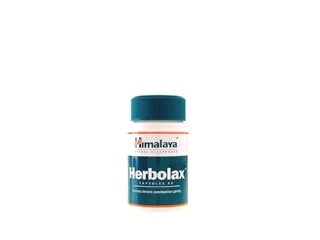
Herbolax (Senna-based laxative) — Patient Information for the UK
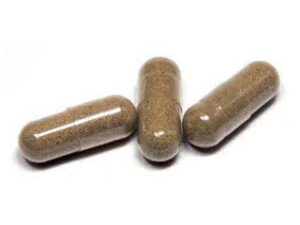
Herbolax is a herbal stimulant laxative containing senna (a plant-based ingredient traditionally used to relieve constipation). It works by encouraging bowel movement and helping to clear the lower bowel.
This guide is designed to be easy to read and includes practical information commonly useful for shoppers in the United Kingdom, such as how it works, when to take it, food and alcohol considerations, safety, and what alternatives may be available.
Basic product information
| Category | Herbal stimulant laxative |
|---|---|
| Active ingredient | Senna (sennosides / senna glycosides, depending on product formulation) |
| Common strengths/forms | Often available as tablets, capsules, or liquid formulations (exact options vary by brand/product line) |
| Use | Short-term relief of constipation |
| Onset | Typically within 6–12 hours (may vary by person) |
| Where to find details | Check the packaging or leaflet for the exact strength, dosing for age, and any special warnings |
Important: Always read the package leaflet supplied with your specific Herbolax product, as dose and instructions can differ by formulation.
How Herbolax works (mechanism of action)
Herbolax contains senna, a stimulant laxative. Senna’s active compounds (generally sennosides) are converted by gut bacteria in the large intestine into substances that:
- Stimulate the bowel lining to increase natural movement (motility)
- Increase fluid content in the bowel which helps soften stool and encourage passage
As a result, Herbolax helps to produce a bowel movement by stimulating the colon. Because it is a stimulant, it is usually intended for short-term use when constipation is troublesome.
Pharmacokinetics (what happens in the body)
With stimulant laxatives like senna, the key events occur mainly in the large bowel:
- Absorption: Senna compounds are not fully absorbed in the small intestine.
- Local activation: Gut bacteria metabolise senna glycosides in the colon into active forms.
- Action site: The effect is primarily in the large intestine, leading to increased motility and fluid secretion.
- Excretion: Break-down products are eliminated via the faeces (and a small amount may be excreted in urine, sometimes causing a yellow/brown tint).
Practical meaning: Because the action depends on bacterial metabolism and bowel timing, the onset can be delayed. Most people notice effects in the same day to overnight window depending on when they take the dose.
Typical use and indications
Herbolax is commonly used for:
- Relief of constipation in adults and children of appropriate age (as specified on the product label)
- Short-term constipation where softer, more regular stool passage is needed
Not for: Persistent constipation, chronic bowel problems, or constipation accompanied by “red flag” symptoms (see When to seek medical advice below).
When to take Herbolax (timing and how to use it)
Stimulant laxatives typically work best when you allow time for bowel action.
Typical timing
- Often taken at night so that relief occurs the following morning.
- Expected onset: usually 6–12 hours after taking (individual variation is common).
How to take it
- Use the dose stated on the pack.
- Take with a full glass of water unless your product instructions say otherwise.
- Ensure you drink adequate fluids during the day to support comfortable bowel function.
If you don’t get relief: If there is no bowel movement or symptoms worsen after the maximum period of use stated in the leaflet, stop and seek appropriate advice.
Dosing (follow your specific product label)
Because Herbolax products may come in different forms and strengths, dosing should follow the exact instructions on the packaging/leaflet for your age group and product type.
General UK approach for senna products: Many senna-based OTC laxatives are used for short-term constipation, with dose limits to minimise side effects.
Common dosing principles
- Use the lowest effective dose.
- For short-term constipation, it is usually taken for a limited number of days as indicated in the leaflet.
- Do not exceed the maximum daily dose listed on the pack.
Children: Senna products often have age restrictions. Only use if the product is suitable for the child’s age and follow the paediatric instructions on the leaflet.
Always refer to your specific Herbolax packaging for exact dosing.
Food interactions and diet considerations
Herbolax is generally not known for direct “food-drug” interactions, but diet and hydration can affect constipation and comfort.
What to consider with food
- Hydration matters: Drinking water helps support stool softness and reduces discomfort.
- Increase fibre gradually: If you are constipated, a gradual increase in fibre from foods (e.g., fruit, vegetables, oats) may help long-term regularity.
- Be cautious with heavy or low-fibre meals: If you’re already constipated, very low-fibre diets may make constipation persist.
Timing with meals
Senna products can usually be taken with or without food; many people find it convenient to take at night. For best results, follow your leaflet guidance on whether food changes the timing or absorption for your specific formulation.
Alcohol and medicine interactions
Alcohol: There is no specific classic “senna vs alcohol” interaction, but alcohol can contribute to constipation in some people by reducing hydration. If you drink alcohol, ensure you maintain adequate fluid intake and monitor how your bowel responds.
Potential medicine interactions (important)
As with many laxatives, interactions may occur indirectly—especially where laxatives affect bowel speed, fluid balance, or electrolyte levels.
- Other laxatives: Avoid combining multiple stimulant laxatives unless advised, as it may increase cramping or diarrhoea risk.
- Diuretics (“water tablets”): If a laxative leads to diarrhoea, electrolyte imbalance risk may be higher when taking diuretics.
- Cardiac medicines (e.g., digoxin) and drugs affected by potassium: Excess laxative use causing fluid loss/diarrhoea may affect electrolyte levels, including potassium.
- Medicines where stomach contents timing matters: Rapid bowel transit could theoretically affect absorption of some medicines, particularly if constipation is severe or if diarrhoea occurs.
Practical advice: If you take regular medicines or you’re unsure whether Herbolax is suitable alongside your medicines, consult a pharmacist for personalised advice.
Safety profile: side effects and warnings
Herbolax is generally well tolerated when used as directed for short-term constipation. However, stimulant laxatives can cause side effects, particularly if taken too frequently or at too high a dose.
Common side effects
- Crampy abdominal pain or stomach discomfort
- Diarrhoea (especially with higher doses)
- Nausea
- Increased bowel movements
Less common notes
- Urine colour change: Some senna products can cause yellow/brown urine, which is usually harmless.
When to stop and seek help
Stop using Herbolax and get advice urgently if you experience:
- Severe or persistent abdominal pain
- Vomiting
- Blood in the stool
- Signs of dehydration (e.g., marked dizziness, weakness, very dry mouth)
- Diarrhoea that is severe or lasting
Who should be extra cautious
People should seek advice before using senna-based laxatives if they have:
- Known bowel obstruction or severe inflammation of the bowel
- Severe abdominal pain of unknown cause
- Inflammatory bowel conditions that flare easily
- Severe dehydration
- Inability to pass gas (possible blockage)
Pregnancy and breastfeeding: Many laxatives have suitability differences in pregnancy. Check the leaflet guidance for your specific product and seek pharmacist advice if you are pregnant, trying to conceive, or breastfeeding.
Driving/working: Herbolax does not usually cause drowsiness, but if you experience cramping or diarrhoea, take care.
When to seek medical advice
Constipation is common, but it should not be ignored. In the UK, seek professional advice promptly if any of the following apply:
- Constipation lasts longer than a few days despite appropriate measures
- You have unexplained weight loss or loss of appetite
- You notice blood in the stool or black/tarry stool
- You have new constipation after the age of 50
- You have persistent severe abdominal pain or swelling
- There is a history of bowel disease or bowel surgery that could affect bowel function
- Your child has constipation symptoms and you are unsure what is safe for their age
Practical use tips for constipation relief
Herbolax may help clear constipation, but comfort and prevention matter too. These practical steps often improve outcomes:
Before using Herbolax
- Try gentle measures first if constipation is mild (e.g., water, a short walk, warm drink in the morning).
- Assess your pattern: Has your bowel habit changed? Are you passing less often or passing harder stools?
During use
- Use the pack dosing and do not “top up” repeatedly if you’ve already taken a dose.
- Stay hydrated, especially if you have loose stools.
- Consider a bathroom routine: Try to use the toilet at a consistent time (often after breakfast).
After relief
- Increase fibre slowly (oats, fruit, vegetables, wholegrains).
- Keep physically active where possible.
- Review triggers: dehydration, travel, low activity, certain diets, iron supplements, or reduced fibre intake.
Tip: If constipation keeps returning, longer-term management options may be more suitable than repeated stimulant laxative use.
Alternative options (other constipation treatments)
Depending on the type and cause of constipation, other OTC or pharmacy options may be more appropriate. Common alternatives include:
Osmotic laxatives
- Lactulose or macrogol (PEG) products draw water into the bowel to soften stool.
- Often preferred for longer use or when stimulant side effects are undesirable.
Bulk-forming agents
- Psyllium/ispaghula can help if you can drink enough fluids.
- May take longer to work than stimulant laxatives.
Stool softeners / suppositories
- For rectal discomfort or harder stool at the outlet, rectal treatments may be useful.
Glycerine suppositories
- Often used for quick relief of constipation, particularly when appropriate for age.
Choosing the best option: A pharmacist can help decide between a stimulant (like senna) and alternatives based on your symptoms, age, and whether constipation is occasional or recurrent.
Market and legal context in the United Kingdom
In the UK, many laxatives—including stimulant herbal products—are available over the counter as General Sales List (GSL) or through pharmacy (P) channels depending on the specific product and formulation.
Herbal medicines and laxatives sold in the UK are regulated to ensure product quality, safe manufacturing, and appropriate labelling. The product must include clear:
- Ingredients and active substance details
- Indications and appropriate use
- Dose instructions by age group (where relevant)
- Warnings, including contraindications and side effects
- Advice on seeking medical help if symptoms persist
Recent guidance and practical reminders:
- Pharmacy guidance often emphasises short-term use of stimulant laxatives unless advised otherwise.
- There is a common focus on hydration and gradual dietary change for prevention.
- Patients are advised to seek help for red flag symptoms or persistent constipation.
As regulations and recommendations can evolve, always refer to the leaflet supplied with your exact product and ask a pharmacist if you have specific concerns.
Delivery and availability in the UK
Herbolax is commonly available through UK pharmacies and approved online retailers. Availability can vary depending on stock levels and the specific formulation (e.g., tablets vs liquid).
Typical delivery expectations
- Processing time: Many orders are dispatched quickly during opening hours.
- Delivery options: Options may include standard and faster delivery, depending on your location.
- Packaging: Medicines are usually shipped in protective packaging to prevent damage.
Note: Delivery times shown at checkout depend on the retailer and postcode. For best accuracy, check the delivery estimate provided on the product page.
How to store Herbolax
- Store in a cool, dry place away from excessive heat.
- Keep out of the sight and reach of children.
- Do not use after the expiry date on the pack.
- Follow any specific storage instructions on the leaflet.
FAQ about Herbolax
1) How quickly does Herbolax work?
For many people, senna-based laxatives typically produce bowel action within 6–12 hours. Taking it at night often helps achieve relief the following morning.
2) How long should I take Herbolax?
Use it for the shortest time and follow the period specified on the product leaflet. If constipation persists, it’s best to seek advice rather than keep repeating stimulant laxatives.
3) Can I take Herbolax every day?
Regular or long-term daily use is usually not recommended for stimulant laxatives unless a healthcare professional advises it. Persistent constipation should be assessed to find the underlying cause and choose a longer-term solution.
4) What if I get diarrhoea after taking it?
Diarrhoea usually suggests the dose may be too strong or you were more sensitive than expected. Stop using Herbolax and check the leaflet guidance. If you become dehydrated, experience severe abdominal pain, or diarrhoea is prolonged, seek advice urgently.
5) Is Herbolax safe for children?
Some senna products have age restrictions. Always follow the leaflet and choose the version appropriate for the child’s age. If you are unsure, ask a pharmacist.
6) Can I take it with other medicines?
Many people can take laxatives alongside other medicines, but interactions can occur indirectly—especially if laxatives cause diarrhoea or electrolyte loss. If you take regular medication, particularly diuretics or cardiac medicines, ask a pharmacist for advice.
7) Can I drink alcohol while using Herbolax?
There’s no specific direct interaction, but alcohol may worsen dehydration and constipation. If you drink, keep hydrated and monitor your symptoms.
8) Will Herbolax affect my urine colour?
Senna products can sometimes cause yellow/brown urine. This is usually harmless, but if you notice other symptoms such as pain or burning, seek advice.
9) What can I do to prevent constipation returning?
Often, prevention includes drinking enough fluids, eating more fibre, moving regularly, and responding promptly to the urge to go. If constipation recurs, a pharmacist may suggest an osmotic laxative or bulk-forming option suitable for longer use.
10) When should I stop and contact a healthcare professional?
Contact a professional if you have severe abdominal pain, vomiting, blood in the stool, signs of dehydration, or if constipation persists despite following label directions.
Final note: This information is intended to help you understand Herbolax better. For the safest use, always follow the instructions provided with your specific product and consult a pharmacist if you have medical questions, complex symptoms, or ongoing constipation.