Hydroquinone – Skin-Lightening Medicine (UK Patient Guide)
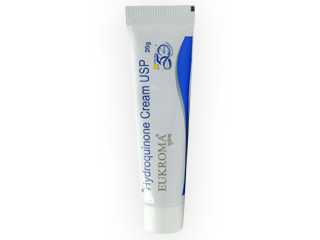
Hydroquinone is a skin-acting medicine used to help reduce the appearance of certain types of dark patches. In the UK, it is available in specific strengths depending on the intended use and product type, with restrictions that may apply to how much can be sold and where it can be used. This guide explains what hydroquinone does, how it works in the body and on the skin, how to use it safely, and what to consider regarding interactions and practical care.
Quick product facts
| Category | Details |
|---|---|
| Common use | Reduction of hyperpigmentation (e.g., melasma, sun spots, post-inflammatory dark marks) |
| How it works | Helps slow melanin formation and reduces existing pigment |
| Typical application | Once or twice daily, for limited treatment periods |
| Time to results | Often 6–12 weeks; full benefit may take longer depending on the cause |
| Key safety points | Use only on affected skin, avoid sensitive areas, use sun protection, and follow duration limits |
| UK availability | Availability depends on strength and product classification; follow local product labelling |
What is hydroquinone?
Hydroquinone is a topical (applied to the skin) medicine used for pigment reduction. It is commonly formulated as a cream, gel, or lotion. Hydroquinone works mainly within the skin layers where pigmentation is produced.
It is used for conditions where extra melanin (skin pigment) causes visible darkening. Examples include:
- Melasma (often linked with sun exposure and hormonal influences)
- Post-inflammatory hyperpigmentation (dark marks after acne, irritation, or injury)
- Sun or age spots (freckles-like or solar lentigines)
How hydroquinone works (mechanism of action)
Melanin is produced by pigment cells (melanocytes) using enzymes such as tyrosinase. Hydroquinone helps reduce the appearance of dark pigmentation by affecting melanin formation and pigment processing.
In simple terms:
- It reduces pigment production by interfering with steps in the melanin pathway.
- It may reduce existing pigment over time, leading to gradual lightening.
- It helps create a skin environment less favourable to excess melanin buildup.
Hydroquinone is usually used for a limited period and in combination with strict sun protection to prevent renewed pigment formation.
Pharmacokinetics: what happens after application?
Because hydroquinone is used on the skin, absorption into the bloodstream is generally limited, especially when applied to small areas and according to product instructions.
Typical pharmacokinetic considerations:
- Absorption: Topical absorption varies by skin condition, area treated, concentration, and how the skin barrier is affected (for example, irritated or broken skin may absorb more).
- Metabolism: If absorbed, hydroquinone can be metabolised in the body (primarily through pathways that include conjugation and further breakdown).
- Elimination: Metabolites are cleared via normal bodily elimination processes (e.g., urine).
For most people using hydroquinone correctly on small, intact areas, systemic exposure remains low. Nonetheless, the safety guidance below is important, particularly for longer use or larger treatment areas.
Typical indications (what it is used for)
Hydroquinone is used to treat hyperpigmentation—visible darkening of the skin due to excess melanin.
Common indications include:
- Melasma (including facial patches)
- Sun-induced pigmentation, such as solar lentigines
- Post-inflammatory hyperpigmentation after acne, eczema flares, burns, or other skin inflammation
- Other pigment changes where the cause is melanin-related and suitable for topical lightening therapy (as assessed from product labelling)
Note: Hydroquinone is not intended for freckles caused by genetic pigment patterns or for skin conditions where darkening is not due mainly to melanin. If you are unsure, it’s best to check product-specific indications and seek professional advice.
Dose and how to use hydroquinone (typical application)
Always follow the instructions on your specific hydroquinone product. Formulations and strengths vary, and the dosing schedule should match the labelled guidance.
Common dosing patterns
- Frequency: Often once daily or twice daily, depending on the product strength and skin tolerance.
- Amount: Apply a thin layer to the affected areas only.
- Duration: Treatment is usually limited (for example, a course of several weeks) to reduce the risk of skin irritation or rebound pigmentation.
Practical step-by-step routine
- Cleanse the area gently and pat dry.
- Apply a thin layer of hydroquinone to dark patches (avoid eyes, lips, and broken/irritated skin).
- Wash hands after application.
- Moisturise if the product instructions allow, especially if your skin feels dry or irritated.
- Daytime: Use strong sun protection (see below). Pigment often worsens with UV exposure.
Timing: when to expect results and when to stop
Hydroquinone acts gradually. Visible improvement often depends on the cause of pigmentation and your sun exposure.
Typical timeline
- Early changes: Some people notice less darkness within 4–6 weeks.
- More noticeable results: Commonly within 6–12 weeks.
- Maximum effect: May take longer; do not assume treatment will keep improving indefinitely.
When to reassess
- If you have no improvement after the labelled treatment course, stop and review with a pharmacist or clinician.
- If you experience significant irritation (e.g., intense burning, swelling, blistering), discontinue and seek advice.
Important: Prolonged or excessive use can increase risk of adverse effects and may lead to worsening pigmentation. Always adhere to product duration guidance.
Food interactions
Because hydroquinone is applied to the skin, food interactions are generally not a major concern. There are no well-known dietary restrictions specifically linked to topical hydroquinone.
However, general skin-health measures can help:
- Stay well hydrated.
- Maintain a balanced diet and manage conditions that contribute to inflammation (e.g., acne).
If your hydroquinone product includes other ingredients (for example, acids or retinoid combinations), those may cause sensitivity in some people; follow the product instructions and patch testing guidance.
Alcohol and medicine interactions
Alcohol is not expected to have a direct interaction with topical hydroquinone in the way it might with medicines taken by mouth. That said, there are practical considerations:
- Skin irritation: Alcohol-based products on the skin (such as certain toners or perfumes) may worsen dryness or irritation if used alongside hydroquinone.
- Overall tolerance: If alcohol causes flushing or skin sensitivity for you, be mindful that inflammation can sometimes worsen hyperpigmentation.
More important than alcohol is avoiding interaction with other topical actives. Using multiple strong ingredients at the same time may increase irritation, which can worsen dark marks (post-inflammatory hyperpigmentation).
Potential topical combinations to use cautiously
- Strong exfoliants (e.g., high-strength acids) used too frequently
- Retinoids (e.g., tretinoin/retinol/other retinoid creams)
- Other bleaching or pigment-reducing products where irritation risk is higher
- Harsh cleansers or scrubs
If you are using other prescription or non-prescription skin treatments, you may need a structured routine (for example, using hydroquinone only on certain days, or using soothing moisturisers to reduce irritation). Follow product labelling and seek advice when combining treatments.
Safety profile and side effects
Like all medicines, hydroquinone can cause side effects. Many are mild and relate to irritation from pigment-lightening therapy.
Common side effects
- Skin irritation (redness, dryness, mild burning or stinging)
- Itching or discomfort
- Scaling or peeling
- Temporary change in skin tone (lightening or uneven appearance during treatment)
Serious or urgent symptoms (stop and seek advice)
- Severe burning, swelling, blistering, or intense redness
- Signs of an allergic reaction (widespread rash, hives, trouble breathing)
- Worsening pigmentation after a period of use (consider stopping and getting advice)
Who should be extra cautious?
- Sensitive skin or a history of eczema flares
- Very large areas or broken/irritated skin (higher absorption risk and higher irritation risk)
- People using multiple actives simultaneously
Sun sensitivity and pigment rebound
One of the most common reasons for poor results is insufficient sun protection. UV exposure can trigger more pigment and may lead to rebound darkness after stopping. Using sunscreen and avoiding midday sun are key to reducing this risk.
Practical use tips for best results
1) Use sun protection every day
If you treat dark patches without strong sunscreen, results are often disappointing. Consider:
- Use a broad-spectrum sunscreen (UVA/UVB).
- Choose a high SPF suitable for your skin type.
- Reapply if you spend time outdoors.
- Wear protective clothing (hats, long sleeves) where possible.
2) Patch test first
Especially if you have sensitive skin, patch test in a small area of affected skin (or behind the ear/inner arm) for a few days to check tolerance. Stop if irritation is significant.
3) Apply to affected areas only
Over-applying to unaffected skin can increase irritation and risk uneven tone. A thin layer on the dark patches is usually enough.
4) Avoid sensitive zones unless the product specifically says it is suitable
- Keep away from eyes, eyelids, corners of the nose, and lips.
- Avoid application to broken skin or active rashes.
5) Don’t combine too aggressively
To minimise irritation (and therefore avoid worsening dark marks), introduce other strong actives slowly and one at a time, or use them on different days.
6) Manage irritation early
If you feel dryness or stinging:
- Reduce frequency (e.g., once daily instead of twice daily) if product guidance allows.
- Use gentle moisturiser.
- Consider spacing applications or pausing until skin calms.
Alternative options for hyperpigmentation
If hydroquinone is not suitable, you may consider other approaches depending on the type of pigmentation, skin sensitivity, and tolerability.
Common alternatives (non-exhaustive)
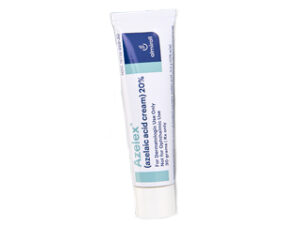
- Azelaic acid (often used for melasma and post-inflammatory marks; usually well tolerated)
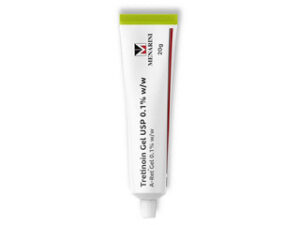
- Retinoids (help normalise skin turnover and can reduce pigment over time)
- Vitamin C (ascorbic acid) antioxidants that may help brighten skin
- Kojic acid or other botanical/chemical lightening agents
- Professional procedures such as chemical peels, laser treatments, or microneedling—typically for specialist assessment
Note: Alternatives may still cause irritation, and choosing the right option depends on your skin type, the cause of pigmentation, and how sensitive your skin is.
Hydroquinone in the UK: market and legal context
In the UK, availability of hydroquinone-containing products may be influenced by the medicine classification, product strength, and intended use. Regulations and guidance can change, and different products may be marketed with different labelling and directions.
When buying online, it is important to:
- Check that the product is the correct concentration and intended use as stated on the label.
- Follow the dose, frequency, and duration instructions provided with that specific product.
- Be aware that stronger formulations can have additional restrictions and safety messaging.
If you are unsure about whether a specific product is appropriate for your condition, a pharmacist can help interpret product labelling and advise on safer combinations and expected timelines.
Recent guidance and practical updates (UK-focused)
Across dermatology practice, common recent themes when using pigment-lightening treatments include:
- Emphasis on sun protection as a cornerstone of treatment effectiveness
- Short, focused courses rather than long-term continuous use
- Minimising irritation to avoid triggering post-inflammatory hyperpigmentation
- Patient education on correct application (thin layer, affected areas only, wash hands, avoid sensitive zones)
Always consult the instructions supplied with your specific hydroquinone product and follow any current warnings or limitations stated on the packaging.
Delivery and availability in the UK
Hydroquinone products may be available from online pharmacies or pharmacy retailers depending on the product type, strength, and classification. Delivery terms vary by supplier.
When ordering:
- Confirm that the item is available for delivery within the UK.
- Check delivery estimates and whether any age or identity checks apply.
- Store the product as instructed (typically at room temperature, out of direct sunlight).
If a product is temporarily unavailable, you may be offered an alternative product with different strength or ingredients—always compare the label carefully and follow the new instructions.
Frequently Asked Questions (FAQ)
How long does hydroquinone take to work?
Many people notice gradual improvement within 4–6 weeks, with more visible changes often by 6–12 weeks. Results depend on pigment type and UV exposure. If there is little improvement after the labelled course, reassess with a pharmacist or clinician.
Can I use hydroquinone every day?
It depends on the product instructions and your skin tolerance. Many regimens start with once-daily or twice-daily use for a limited period. If you experience irritation, you may need to reduce frequency or pause until your skin settles.
Should I stop if I get redness or burning?
Mild transient stinging can happen, but significant or worsening irritation is a reason to stop and seek advice. Continuing through severe symptoms can increase irritation and may worsen pigmentation.
Is hydroquinone safe for my face?
Hydroquinone is commonly used on areas like the face for suitable pigment conditions. However, the face can be sensitive. Use a thin layer, avoid the eye area and mouth corners, and follow the product labelling carefully.
Will hydroquinone permanently remove dark spots?
It can reduce pigment over time, but some conditions (like melasma) may recur, especially with sun exposure or hormonal influences. Ongoing sunscreen use and careful management help reduce the chance of return.
Can I use hydroquinone with sunscreen and moisturiser?
Yes, and it is strongly recommended. Use sunscreen daily and consider a gentle moisturiser to reduce irritation. Avoid using multiple harsh actives at the same time unless your product guidance or clinician recommends it.
Can I combine hydroquinone with other acne or anti-ageing products?
Some combinations may increase irritation. If you want to use products such as retinoids, exfoliating acids, or strong acne treatments, introduce them cautiously—ideally one at a time—and consider separating them across different days.
Does hydroquinone have any food interactions?
Because it is applied to the skin, food interactions are not typically expected.
Do I need to avoid alcohol?
There is no common direct interaction between topical hydroquinone and alcohol. However, alcohol-containing skincare products can irritate skin, and heavy alcohol consumption can affect overall health. Focus mainly on skin tolerance and safe skincare habits.
What should I do if I miss a dose?
Apply it at your next scheduled time. Do not double up to make up for a missed application.
Where exactly should I apply it?
Apply to the affected dark patches only and avoid eyes, lips, and areas of broken skin unless the product instructions say otherwise.
Summary
Hydroquinone is a topical medicine used to help lighten hyperpigmentation by reducing steps involved in melanin formation. Because results depend strongly on sun exposure and skin tolerance, the best outcomes typically come from correct, targeted application for a limited course, combined with consistent daily sunscreen and gentle skincare.
If you have any concerns about suitability, skin sensitivity, or how to combine hydroquinone with other products, check your product’s labelling and ask a pharmacist for personalised guidance.