Monoket (Isosorbide mononitrate) – Patient Guide (UK)
Monoket contains isosorbide mononitrate, a medicine used to prevent angina (chest pain) in people with coronary heart disease. It works by relaxing blood vessels to improve blood flow to the heart. This guide explains how Monoket works, how it is typically taken, what to expect, and important safety information.
Note: This information is designed to be patient-friendly and may not cover every individual situation. Always follow the instructions provided with your medicine.
Basic product information
| Category | Details |
|---|---|
| Active ingredient | Isosorbide mononitrate |
| Brand | Monoket |
| Medicine type | Nitrate for angina prevention |
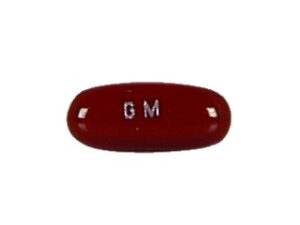
| Common form (UK) | Modified-release tablets (brand may vary by strength/pack) |
| Typical purpose | Long-term prevention of angina attacks |
| Onset | Variable; prevention therapy rather than immediate relief |
How Monoket works (mechanism of action)
Isosorbide mononitrate belongs to the nitrate group of medicines. It is converted in the body to nitric oxide, which helps to relax smooth muscle in blood vessels. This leads to:
- Vasodilation (widening of arteries and veins), reducing resistance to blood flow
- Reduced cardiac workload (because the heart needs less oxygen when blood pressure and filling pressures fall)
- Improved oxygen supply to the heart muscle due to better circulation
In simple terms, Monoket helps keep the heart’s oxygen demand and oxygen supply in balance, helping to reduce the frequency of angina attacks.
Pharmacokinetics (how the body handles it)
Pharmacokinetics describes absorption, distribution, metabolism, and elimination. With nitrate medicines, these properties help determine dosing schedules and how regularly the medicine must be taken.
- Absorption: Isosorbide mononitrate is absorbed after oral use. With modified-release formulations, absorption is designed to be gradual.
- Distribution: It spreads through the body, reaching cardiovascular tissues.
- Metabolism: It is metabolised mainly in the liver, producing active and inactive metabolites.
- Elimination: Metabolites are cleared via the kidneys (urine). The exact timing can vary by individual factors such as kidney function.
Because many people use Monoket as a preventive medicine, maintaining consistent blood levels can be important for effectiveness. Some regimens include a “nitrate-free” interval to help reduce tolerance (see below).
Typical use in the UK
Monoket is commonly used to prevent angina in people with stable coronary artery disease. It may be prescribed when:
- Angina is not adequately controlled with initial therapies
- Long-term symptom prevention is needed
- Combination treatment is appropriate alongside other anti-angina medicines
It is important to understand that nitrates may help prevent episodes, but individual products and schedules differ. Your treatment plan may also include other medicines (for example, beta-blockers or calcium-channel blockers).
When and how to take Monoket (timing and practical use)
Follow your prescriber’s directions and the instructions on the specific pack you have. In general, nitrates for prevention are taken at times that provide coverage during the day while reducing the risk of the body becoming less responsive.
Key timing points
- Use a consistent schedule: Taking tablets at the same times each day can help maintain steady effects.
- Modified-release products: If your tablet is modified-release, swallow it whole—do not crush or chew unless the leaflet says otherwise.
- Nitrate-free interval: Many long-acting nitrate regimens include a daily break from nitrates to prevent tolerance. Your clinician will advise the appropriate interval for your product and dose.
- Do not stop suddenly: If you need to change treatment, do so under medical guidance.
Practical use tips
- Keep tablets in the original packaging and store at appropriate room temperature (per the leaflet).
- Set reminders if you sometimes forget doses.
- If you miss a dose, follow the instructions in your leaflet—generally, do not double up.
- Attend regular reviews for angina control and cardiovascular risk management.
Indications (what it is used for)
Monoket (isosorbide mononitrate) is used to:
- Prevent angina attacks in patients with coronary artery disease (especially stable angina)
- Sometimes be used as part of combination therapy for angina control, depending on your overall condition and other medicines
It may not be the first-choice option for every person and may be tailored to your symptom pattern and response. Your healthcare professional will determine the most suitable regimen.
Dosing (typical approach)
Your dose depends on the specific strength and formulation you have, your health status, and how well you respond. Below is a general outline of how dosing regimens are commonly structured for long-acting nitrates; always use your own label directions.
General dosing principles
- Start low if appropriate: Some people are started with a lower dose to reduce side effects like headache or dizziness.
- Adjust if needed: Doses may be adjusted to achieve adequate angina prevention.
- Follow the schedule: If your product is once or twice daily, keep to that pattern.
- Be cautious with low blood pressure: If you are prone to hypotension, dose adjustments may be needed.
When to seek urgent help
If you experience chest pain that is new, severe, or different from your usual angina—or if it does not improve as expected—seek urgent medical attention. Long-acting medicines are not designed to replace emergency treatment during an acute attack.
Food interactions and what to eat
Food is not usually a major issue for most people taking isosorbide mononitrate. In many cases, it can be taken with or without food. However, personal tolerability varies, and some people find it helps to take tablets with a small snack if it causes stomach discomfort.
Practical advice:
- Take the tablet at the same times each day.
- If your leaflet says “take with food” for a specific formulation, follow that.
- If you experience nausea or dizziness, discuss timing adjustments with a healthcare professional.
Alcohol and medicine interactions
Alcohol may increase the risk of side effects such as dizziness and low blood pressure, which can already occur with nitrates. For this reason, it is generally recommended to avoid excessive alcohol and be cautious if you drink.
Potential interactions with alcohol
- More dizziness/light-headedness: Especially when standing up quickly
- Reduced blood pressure tolerance: Your body may feel more “washed out”
- Masked symptoms: Alcohol can make it harder to notice early warning signs of side effects
If you have questions about how much alcohol is safe for you, ask your pharmacist or clinician—particularly if you have low blood pressure, dehydration, or are taking other blood-pressure-lowering medicines.
Medicine interactions (important)
Interaction risk is a key consideration with Monoket. Below are some of the most important categories. Always inform healthcare professionals about all medicines you take, including over-the-counter products and supplements.
Medicines that may interact strongly
- Phosphodiesterase-5 (PDE5) inhibitors (for example, sildenafil, tadalafil, vardenafil): combining nitrates with PDE5 inhibitors can cause a dangerous drop in blood pressure. This combination is generally contraindicated.
- Other nitrate medicines or other vasodilators: increased risk of dizziness, fainting, or headache.
- Blood pressure medicines (e.g., antihypertensives): additive effects may increase risk of low blood pressure.
Other medicines that may require extra attention
- Riociguat (used in certain lung/blood pressure conditions): combining with nitrates can significantly affect blood pressure.
- Medicines that affect liver enzymes may alter nitrate metabolism (discuss with a pharmacist if you start a new medicine).
If you are unsure whether a medicine is a PDE5 inhibitor or contains nitrates, consult your pharmacist. Don’t start or stop interacting medicines without advice.
Safety profile (what to watch for)
Like all medicines, Monoket can cause side effects. Many are related to the blood-vessel relaxing effect (leading to headache or low blood pressure). Most side effects are dose-related and may improve as your body adjusts.
Common side effects
- Headache (often the most common)
- Dizziness or light-headedness
- Flushing
- Low blood pressure symptoms (e.g., feeling faint)
- Weakness or tiredness
Less common or serious side effects
- Fainting (syncope), particularly when standing up
- Severe dizziness or collapse
- Allergic reactions (e.g., swelling of the face/lips, rash, breathing difficulty)
- Worsening angina in rare cases, especially if the medicine timing/dose is inappropriate
Tolerance (nitrate tolerance) and nitrate-free intervals
With continuous nitrate exposure, some people develop reduced effectiveness over time (tolerance). To help reduce this risk, clinicians often prescribe a schedule that includes a nitrate-free interval. Do not change your regimen without advice.
Who should be extra cautious?
Tell your healthcare professional if you have any of the following, as it may affect safety and dosing:
- Low blood pressure or history of fainting
- Severe anaemia
- Recent heart events or unstable cardiovascular conditions
- Severe liver or kidney problems (dose adjustment may be needed)
- Any condition where blood pressure needs careful monitoring
Practical use tips for daily life
- Stand up slowly: If you feel dizzy, rising gradually from a seated/lying position can help.
- Check timing: Headaches and dizziness often happen early in treatment or after dose changes.
- Don’t double doses: If you miss a dose, follow your leaflet’s instructions.
- Keep track of angina episodes: Note how often chest pain occurs and what triggers it—this helps clinicians optimise your regimen.
- Know your emergency plan: Make sure you understand what to do if angina breaks through.
Alternative options for angina prevention
Depending on your medical history, angina pattern, and response to treatment, alternatives may include:
Other anti-angina medicines
- Beta-blockers (e.g., bisoprolol, atenolol)
- Calcium-channel blockers (e.g., amlodipine, verapamil, diltiazem)
- Other long-acting nitrates (e.g., isosorbide dinitrate preparations where available)
- Ranolazine in selected patients (depending on eligibility and guidance)
- Ivabradine in certain cases (typically with specific heart rate patterns)
Lifestyle and supportive measures
- Cardiac rehabilitation when appropriate
- Stopping smoking and reducing alcohol excess
- Managing diabetes, cholesterol, and blood pressure
- Regular physical activity within advice limits
Availability and suitability depend on individual factors and local clinical protocols. A pharmacist or clinician can help explain options for your situation.
Market and legal context in the UK (what to know)
In the United Kingdom, medicines containing isosorbide mononitrate are regulated under the national medicines framework and must meet required safety, quality, and licensing standards before being marketed. Monoket is an established product used for angina prevention, and it is part of routine prescribing practice.
Regulatory and clinical updates can occur over time. For the most current information, refer to the patient leaflet in your specific pack and guidance from relevant UK health bodies. Pharmacy teams may also provide advice tailored to the current supply situation and formulation strength.
Recent guidance and clinical approach (general)
UK clinical practice for angina typically focuses on:
- Confirming the diagnosis and assessing cardiovascular risk
- Using effective preventive medicines to reduce symptoms
- Controlling risk factors (e.g., blood pressure, cholesterol, smoking cessation)
- Ensuring safe use of nitrates, particularly regarding interactions
While treatment plans vary, a key safety message in recent years remains that nitrates must not be combined with PDE5 inhibitors (and similarly acting agents) because of the risk of profound hypotension.
Delivery and availability (online pharmacy UK)
Monoket is typically available through UK pharmacies. When ordering online, availability can vary by strength and formulation. Delivery options and times depend on the supplier and service level chosen at checkout.
What to expect when ordering
- Stock checks: Many online pharmacies check real-time availability.
- Packaging: Medicines are dispatched in appropriate protective packaging with clear labelling.
- Tracking: Dispatch and tracking details may be provided where supported.
- Cold chain: Monoket tablets generally do not require refrigeration unless the leaflet specifies otherwise.
If a particular strength is temporarily unavailable, the pharmacy may suggest alternatives that match your prescribed regimen, subject to clinical suitability.
Frequently Asked Questions (FAQ)
1) What is Monoket used for?
Monoket (isosorbide mononitrate) is used to prevent angina attacks in people with coronary artery disease. It helps reduce how often chest pain occurs by improving blood flow and easing the heart’s workload.
2) How long does it take to work?
Because Monoket is often taken as a long-acting or modified-release medicine, it is mainly intended for prevention. The exact onset can vary between individuals and formulations. If you have breakthrough angina, follow your personal action plan from your healthcare team.
3) Can I take Monoket with food?
In many cases, Monoket can be taken with or without food. If your leaflet recommends a specific approach, follow it. Taking with a small snack may help if you feel queasy.
4) Is it safe to drink alcohol?
Small amounts may be tolerated by some people, but alcohol can worsen dizziness and low blood pressure associated with nitrates. Avoid excessive alcohol, and seek advice if you are unsure or if you have had fainting episodes.
5) What should I avoid using with Monoket?
Do not combine isosorbide mononitrate with PDE5 inhibitors (such as sildenafil or tadalafil) unless specifically instructed by a clinician for an exceptional situation. In most routine situations this combination is not allowed due to the risk of dangerously low blood pressure. Inform your pharmacist about all medicines you take.
6) Why do I get headaches after starting Monoket?
Headaches are a common nitrate side effect caused by blood-vessel changes. They often improve as your body adjusts. If they are severe or persistent, contact your healthcare professional for advice on dose/timing and supportive measures.
7) What if my dizziness becomes severe?
If you feel faint, have severe dizziness, or fall, seek urgent medical help. Don’t drive if you feel unwell or dizzy. Your healthcare professional may need to reassess your dose and interactions with other medicines.
8) Can I stop Monoket suddenly?
Do not stop without advice. Stopping may lead to loss of angina control. If you’re experiencing side effects or you want to change treatment, discuss options with your pharmacist or clinician.
9) Are there alternatives if Monoket doesn’t suit me?
Yes. Depending on your condition, alternatives may include other anti-angina treatments such as beta-blockers, calcium-channel blockers, or other long-acting options. Your clinician can help choose the safest and most effective plan for you.
10) How should I store Monoket?
Store tablets according to the instructions on the pack/leaflet—typically at room temperature away from excess heat and moisture. Keep them out of sight and reach of children.
Important reminders
- Monoket is intended for angina prevention, not necessarily for immediate relief of an acute attack.
- Be particularly careful with medicines that can lower blood pressure.
- If you experience concerning symptoms (such as fainting, severe dizziness, or signs of an allergic reaction), seek urgent medical help.
- For tailored advice, consult a pharmacist or clinician, especially if you have other health conditions or take multiple medicines.
If you would like, share the exact Monoket strength and formulation (e.g., modified-release tablet strength) and your typical dosing schedule, and we can help you confirm common timing considerations and practical tips to support safe use.