Noroxin (Norfloxacin) — Patient Information (UK)
Noroxin contains the antibiotic norfloxacin. It is used to treat certain bacterial infections. This page explains how it works, how it is used, important safety information, and practical tips to help you get the best results.
If your symptoms worsen, you develop severe side effects, or you are unsure whether Noroxin is suitable for you, seek advice from a healthcare professional promptly.
Quick overview
- Medicine: Noroxin (norfloxacin)
- Type: Antibiotic (fluoroquinolone)
- Common uses: Selected urinary tract and gastrointestinal infections caused by susceptible bacteria
- How it works: Blocks bacterial DNA replication
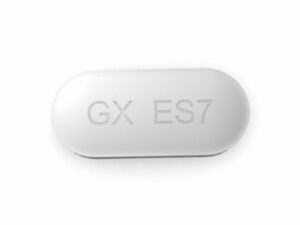
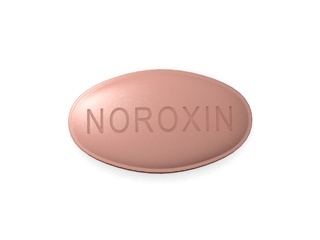
- Typical form: Tablets
- Key cautions: Avoid if you have certain tendon/nerve problems, and use caution with interactions (e.g., antacids, iron, some heart rhythm medicines)
Basic product information
| Feature | Details |
|---|---|
| Active ingredient | Norfloxacin |
| Drug class | Fluoroquinolone antibiotic |
| Usual administration | By mouth (tablets) |
| Where it concentrates | Primarily in the urinary tract |
| Important note | Not every infection is suitable for norfloxacin; antibiotic choice depends on bacteria and resistance patterns |
How Noroxin works (mechanism of action)
Norfloxacin is a fluoroquinolone antibiotic. It works by inhibiting key bacterial enzymes involved in copying and repairing bacterial DNA:
- DNA gyrase (topoisomerase II)
- Topoisomerase IV
By blocking these enzymes, norfloxacin prevents bacteria from reproducing, allowing the immune system to clear the infection.
Effectiveness depends on susceptibility: The antibiotic only works against infections caused by bacteria that are sensitive to norfloxacin.
Pharmacokinetics (how the body handles it)
Understanding pharmacokinetics can help explain timing and interactions.
- Absorption: Norfloxacin is absorbed after oral dosing, but absorption may be reduced by certain substances in the gut.
- Distribution: It distributes through body fluids and tissues; it is known for relatively high exposure in the urinary tract.
- Metabolism: Only a portion is metabolised.
- Elimination: Norfloxacin is mainly eliminated through the kidneys. Reduced kidney function can increase exposure, so dose adjustments may be needed.
- Half-life: The duration of action depends on how quickly the medicine is cleared from the body; dosing schedules reflect typical elimination.
Practical takeaway: Because norfloxacin is eliminated largely via the kidneys and may be affected by drug/mineral binding, follow dosing directions carefully and avoid known interaction substances.
Typical uses and indications
Norfloxacin is used for selected infections where it is appropriate and expected to be effective. Common indications in practice may include:
- Urinary tract infections (UTIs) caused by susceptible bacteria, including uncomplicated episodes (where clinically appropriate)
- Gastrointestinal infections caused by sensitive organisms (for example, some forms of infectious diarrhoea or traveller’s diarrhoea—depending on local guidance and resistance patterns)
Important: The right antibiotic depends on the suspected organism, your symptoms, your history, and local resistance. If you have recurrent UTIs or complicated illness, clinicians may prefer other options or tests.
When to take Noroxin (timing guidance)
Follow your clinician or local dispensing instructions. General principles include:
- Consistency: Take doses at roughly even intervals to maintain effective levels.
- With or without food: Norfloxacin can usually be taken with water; however, food and certain beverages can affect absorption.
- Antacid/mineral spacing: If you take medicines or supplements that contain minerals (e.g., iron, zinc, or magnesium) or antacids, allow a gap (see below).
- Complete the course: Stop only if advised due to side effects or lack of improvement as directed.
If you miss a dose: Take it as soon as you remember unless it is close to the next scheduled dose. Do not take double the dose.
Food interactions (what to avoid and why)
Certain foods and drinks can reduce how well norfloxacin is absorbed. The goal is to keep medicine levels in the bloodstream consistent.
Common interaction concerns
- Dairy products and calcium-rich drinks: These can reduce absorption due to chelation (binding). If this applies to you, separate Noroxin from such products as advised by your healthcare professional or pharmacist.
- Mineral supplements (iron, zinc, magnesium) and antacids: These can bind norfloxacin in the gut and reduce effectiveness.
- Alcohol-containing products: While food itself is not the issue, alcohol can increase the risk of side effects and may worsen stomach upset and dizziness.
General spacing approach (ask your pharmacist for exact advice)
- Try to keep Noroxin away from antacids and mineral supplements by several hours, unless your clinician has provided a specific timetable.
Tip: If you take multiple medicines daily, ask your pharmacist to map out a dosing schedule to minimise interaction risk.
Alcohol and medicine interactions
Alcohol
It is generally recommended to limit or avoid alcohol while taking antibiotics like norfloxacin. Alcohol may:
- Increase dizziness, drowsiness or headache
- Worsen nausea and stomach upset
- Potentially interfere with recovery
If you do drink, keep it modest and monitor how you feel. Avoid driving or operating machinery if alcohol and Noroxin affect alertness.
Medicine interactions (important)
Some medicines can change norfloxacin levels, increase side effects, or add risk when combined. Key interaction categories include:
- Antacids and mineral-containing products (e.g., aluminium/magnesium hydroxide): may reduce absorption.
- Iron, zinc and magnesium supplements: can bind norfloxacin.
- Corticosteroids (e.g., prednisolone): there is an increased risk of tendon injury with fluoroquinolones.
- Medicines affecting heart rhythm (QT-prolonging medicines): may increase the risk of abnormal heart rhythms.
- Warfarin or other anticoagulants: antibiotics can influence bleeding risk in some situations; monitoring may be required.
- Medicines that affect seizures or lower seizure threshold: caution is advised.
- Other drugs cleared by the kidneys: may require caution in people with kidney impairment.
Always tell your pharmacist about all medicines, including over-the-counter products and herbal supplements (e.g., St John’s wort), as these can also affect safety.
Dosing information (general guidance)
Dose varies by infection type, severity, kidney function, and local recommendations. Always use the dose and duration advised for your situation.
Typical adult regimens (examples)
In some clinical settings, norfloxacin dosing for susceptible infections has historically included:
- Uncomplicated urinary infections: often taken twice daily
- Some gastrointestinal indications: may be taken twice daily for a defined course
Exact strength and frequency differ by product and indication. Your pharmacist can confirm the correct regimen for the pack you receive.
Kidney or liver concerns
If you have kidney disease, your clinician may adjust dose or frequency. Do not self-adjust without advice.
Children and older people
Fluoroquinolones are generally used with more caution in children and in older adults due to the balance of risks and benefits. Your healthcare professional will determine suitability.
Safety profile: side effects and when to get help
Most people tolerate norfloxacin reasonably well, but side effects can occur. The risk of serious adverse effects is one reason clinicians carefully consider whether a fluoroquinolone is the best choice.
Common side effects
- Nausea, stomach discomfort
- Diarrhoea or changes in bowel habit
- Headache
- Dizziness
- Sleep disturbance (occasionally)
Less common but important risks
- Tendon disorders (e.g., Achilles tendon pain, swelling): fluoroquinolones are associated with tendon inflammation and rupture risk.
- Nerve-related symptoms (peripheral neuropathy): burning, tingling, numbness, or weakness.
- Central nervous system effects: anxiety, tremor, confusion, hallucinations, or seizures in susceptible people.
- Heart rhythm changes: palpitations, fainting, or dizziness in people with risk factors.
- Allergic reactions: rash, swelling, wheezing, or difficulty breathing.
Serious warning signs — seek urgent medical help
Stop taking Noroxin and seek urgent medical care if you experience:
- Severe or persistent tendon pain, swelling, or inability to move a joint
- Numbness, tingling, burning pain, or sudden weakness
- Symptoms of a severe allergic reaction (facial swelling, breathing difficulties)
- Severe diarrhoea (especially if watery or bloody), fever, or abdominal cramps
- Fainting, severe dizziness, or significant palpitations
- Any new severe skin rash or blistering
Practical use tips for better outcomes
- Take it at the right time: Set a reminder. Missing doses or stopping early can reduce effectiveness.
- Hydrate: Drinking enough fluids can help urinary comfort and supports kidney function.
- Avoid heavy exercise if at risk: If you develop tendon pain, rest the affected area and contact a clinician immediately.
- Monitor symptoms: Many infections start to improve within a few days. If there is no improvement, contact your healthcare professional.
- Manage diarrhoea carefully: Mild changes can occur, but severe diarrhoea needs prompt advice.
- Keep a list of medicines: Bring it to appointments and show it to your pharmacist to check interactions.
Alternative options (what may be used instead)
Because Noroxin is a fluoroquinolone and because resistance patterns vary, alternatives may be considered depending on infection type and bacterial sensitivity. Options can include:
- Other antibiotics (e.g., based on urine culture results or local guidance)
- Supportive care (fluids, symptom relief) alongside antibiotics when appropriate
- Non-fluoroquinolone choices for people at higher risk of fluoroquinolone side effects
Your clinician will choose the most suitable option considering your medical history, kidney function, local antibiotic policies, and suspected organism.
UK market and legal context (patient-friendly overview)
In the United Kingdom, antibiotics are regulated medicines used within antimicrobial stewardship principles. This means:
- Antibiotics should be used only when there is a reasonable suspicion or confirmation of bacterial infection.
- Selection is influenced by local resistance data and clinical guidelines.
- Repeated or inappropriate use can contribute to antibiotic resistance and may make future infections harder to treat.
Healthcare teams also follow safety communications and guidance on fluoroquinolone risks, including tendon, nerve, and nerve-related adverse effects, as well as broader concerns about appropriate selection for each patient.
Recent guidance: Regulatory and professional bodies have repeatedly highlighted the need for careful prescribing of fluoroquinolones, using the benefits and risks balance and avoiding use where other options may be appropriate.
Delivery and availability in the UK
Availability of Noroxin products can vary depending on supplier stock and pack strength. When ordering online in the UK, typical delivery practices may include:
- Dispatch times: often depend on stock availability and the order processing schedule.
- Delivery options: may include standard and tracked delivery.
- Packaging: medicines are usually delivered in protective packaging to maintain integrity.
Order status: Check your email or account updates for tracking information. If your delivery is delayed, contact customer support with your order reference.
Availability can change—if Noroxin is temporarily out of stock, the pharmacy may offer equivalent alternatives if clinically appropriate.
Frequently Asked Questions (FAQ)
1) What is Noroxin used for?
Noroxin (norfloxacin) is used to treat certain bacterial infections, commonly involving the urinary tract and selected gastrointestinal infections where the bacteria are susceptible and the medicine is considered appropriate.
2) How soon should I feel better?
Many people begin to notice improvement within a few days. If you do not improve, or symptoms worsen, contact a healthcare professional for review. Do not continue without advice if treatment appears ineffective.
3) Can I take Noroxin with food?
Food may not always be a major problem, but specific dietary items and drinks (especially those high in minerals such as calcium-rich products) can reduce absorption. If you are unsure, ask your pharmacist about a suitable routine.
4) What should I avoid while taking Noroxin?
Avoid:
- Antacids and mineral supplements close to your dose
- Large amounts of calcium-rich drinks/foods around dosing (unless your pharmacist says otherwise)
- Excess alcohol while recovering
If you have a complex medication schedule, request a personalised timing plan.
5) Is it safe for everyone?
No. Noroxin may not be suitable for people with certain allergies, tendon disorders, nerve problems, seizure risk factors, or those taking interacting medicines. Tell your pharmacist about your full medical history and all medicines you take.
6) What if I miss a dose?
Take it when you remember unless it is close to the next dose. Do not take two doses together. If you are unsure, ask your pharmacist.
7) Can I drive or operate machinery?
If Noroxin causes dizziness or drowsiness, avoid driving and machinery until you know how it affects you. Alcohol can worsen these effects.
8) What should I do if I get tendon pain?
Stop exercising and seek prompt medical advice. Fluoroquinolones have been linked with tendon inflammation and rupture. Urgent assessment is important if tendon pain occurs.
9) Does Noroxin treat viral infections like colds or flu?
No. Antibiotics treat bacteria, not viruses. Use antibiotics only when a bacterial infection is suspected or confirmed.
10) Are there alternatives if Noroxin isn’t suitable?
Yes. Based on your infection and history, clinicians may choose other antibiotics or supportive measures. Your pharmacy can help you discuss options with a healthcare professional.
Storage and handling
- Keep tablets in their original packaging.
- Store at room temperature unless your pack states otherwise.
- Keep out of sight and reach of children.
- Do not use after the expiry date printed on the pack.
Final reminder: Antibiotics are effective when they are used for the right infection and taken correctly. If you have any concerns about interactions, dosing timing, or side effects, speak to your pharmacist for advice tailored to your situation.