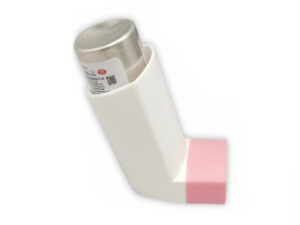
Budesonide Caps (Budesonide Capsules) — Patient-Friendly Guide (UK)
Budesonide Caps are capsules containing budesonide, a corticosteroid medicine used to treat certain inflammatory conditions, mainly affecting the bowel and airways depending on the specific product and formulation. This guide explains what the medicine is for, how it works, how it behaves in the body, how to take it safely, and what to expect.
Please read the patient information leaflet provided with your pack. If anything is unclear, speak to a pharmacist or your healthcare professional.
1) Basic product information
| Feature | What you should know |
|---|---|
| Active ingredient | Budesonide |
| Medicine type | Corticosteroid (anti-inflammatory) |
| Form | Capsules (type may be gastro-resistant/modified release depending on product) |
| Common conditions treated | Inflammatory bowel conditions (e.g., Crohn’s disease in some cases), and certain airway inflammatory conditions depending on formulation |
| Brand availability | May vary by manufacturer; multiple product names can exist |
| Place in therapy | Used to reduce inflammation and symptoms; may be part of a longer-term plan |
Important: Budesonide comes in different capsule/strength forms designed to release medicine in specific parts of the gut. The exact way you take it (timing with food, swallowing technique, and how it should be stored) can depend on your specific product.
2) How Budesonide Caps work (mechanism of action)
Budesonide is a corticosteroid that reduces inflammation. It works by binding to glucocorticoid receptors inside cells, leading to changes in gene expression that:
- reduces the production of inflammatory chemicals (such as cytokines)
- lowers the activity of immune cells involved in inflammation
- helps reduce swelling, irritation, and symptoms related to inflammatory disease
Compared with some other corticosteroids, budesonide has a relatively high first-pass metabolism in the liver when absorbed from the gut, which can lead to lower overall systemic steroid exposure for some formulations.
3) Pharmacokinetics (how it is absorbed, distributed, metabolised and eliminated)
Pharmacokinetics describe what your body does to the medicine. While individual results vary, the general pattern for budesonide is:
- Absorption: Capsules are designed for targeted release. Once released, budesonide is absorbed through the intestinal lining.
- First-pass metabolism: A significant proportion is broken down in the liver, which reduces the amount of active drug reaching the rest of the body.
- Distribution: Budesonide distributes into tissues; it binds to plasma proteins.
- Metabolism: Mainly metabolised by liver enzymes (notably CYP3A4-related pathways).
- Elimination: Metabolites are excreted primarily via the urine (and some via faeces), with a steroid clearance that supports controlled dosing schedules.
Because budesonide is metabolised in the liver, drug interactions (especially with medicines that affect CYP3A4 activity) can influence how much budesonide is present in your body.
4) Typical uses and indications in the UK
Budesonide caps are used to treat inflammatory conditions where reducing inflammation in a specific tissue is beneficial. Which indication applies to you depends on the exact product and formulation.
Common indications may include:
- Inflammatory bowel disease: In some patients, budesonide capsules are used for active Crohn’s disease affecting the small intestine/ileocaecal area. (Exact eligibility depends on product licensing and clinical assessment.)
- Other inflammatory gut conditions: Some formulations are used for particular inflammatory disorders of the bowel, depending on UK product licence.
- Airway inflammation (depending on formulation): Note that budesonide is also used in inhaled forms for asthma and other airway conditions. Capsules may not be suitable for airway indications—always confirm your specific product.
Your pharmacist or healthcare professional can confirm the precise indication for your particular pack.
5) When you should start feeling better (timing of effects)
Many people notice improvement gradually. The medicine starts reducing inflammation soon after you begin treatment, but symptom relief can take time.
- Early changes: Some improvement may occur within a few days.
- Full effect: It may take several weeks for the clearest benefit, particularly for bowel inflammation.
- Follow-up: If you do not feel better or symptoms worsen, seek medical advice promptly.
6) How to take Budesonide Caps (dosing guidance)
The correct dose depends on your condition, severity, and the specific product strength. Follow your healthcare professional’s instructions and the pack label.
General dosing principles (not a substitute for your prescription/plan)
- Once or multiple daily dosing: Some regimens use once-daily dosing; others use split dosing. Your pack will specify this.
- Swallow whole: Do not crush or chew unless the leaflet specifically says you can. Capsules are designed to release budesonide at the right location in the gut.
- Do not suddenly stop without advice: Corticosteroids can require careful adjustment. Stopping abruptly may be unsafe in some situations.
Example dosing patterns commonly used for inflammatory bowel indications
Different products and countries can have different licensed dosing. Typical regimens in practice (for suitable patients) may include:
- Induction therapy: often once daily in the morning or in the evening depending on product guidance
- Step-down (“taper”) or maintenance: may follow induction depending on your disease control and clinical plan
To ensure accuracy: Check your leaflet for your exact strength and timing instruction. If you tell us the strength printed on your pack (e.g., 3 mg or 9 mg), we can help interpret general product guidance.
7) Food interactions and how to take it with meals
Food can affect how some corticosteroid formulations dissolve and release in the gut. For many budesonide capsules, guidance typically includes:
- Follow “with/without food” instructions: Your pack leaflet will state whether you should take the capsule with food or at a certain time.
- Avoid changing routines: If you’re told to take it in the morning with breakfast, try to keep that routine consistent.
- Grapefruit and certain citrus products: Grapefruit can inhibit CYP3A4 in some people, potentially raising steroid exposure. If your clinician has not advised, it’s generally wise to avoid large amounts of grapefruit juice.
If you are unsure about your specific instructions, ask your pharmacist. Getting the timing right can help the capsule reach its intended release site.
8) Alcohol interactions
Budesonide is a corticosteroid and is broken down in the liver. While moderate alcohol use may not always be absolutely contraindicated, alcohol can worsen reflux, irritation, and overall wellbeing. Also:
- Increased liver burden: Heavy alcohol intake may affect liver function, which can influence corticosteroid metabolism.
- Infection risk: Corticosteroids can reduce immune response. Alcohol misuse may further increase health risks.
- Symptom triggers: Alcohol may aggravate symptoms of some bowel conditions in some people.
A sensible approach is to keep alcohol moderate and to avoid binge drinking. If you have liver problems, or if you are taking other liver-metabolised medicines, discuss alcohol use with a clinician.
9) Other medicine interactions (including common UK medicines)
Budesonide can interact with medicines that affect steroid metabolism or immune function. Tell your healthcare professional about all medicines you take, including over-the-counter products and herbal remedies.
Examples of interaction categories
- CYP3A4 inhibitors (may increase budesonide levels): Examples can include certain antifungals (e.g., ketoconazole/itraconazole), some antibiotics (e.g., clarithromycin), and some HIV medicines. Co-administration may increase risk of steroid side effects.
- CYP3A4 inducers (may reduce budesonide levels): Examples include rifampicin and some anti-seizure medicines. This may reduce effectiveness.
- Other corticosteroids or immunosuppressants: Combined use can raise infection risk and side effects.
- Non-steroidal anti-inflammatory drugs (NSAIDs): Some people on corticosteroids may have higher gastrointestinal irritation risk. If you need frequent pain relief, ask for advice.
- Vaccines: Live vaccines may be a concern when steroid doses are high or prolonged. Your clinician can advise timing.
Tell your pharmacist if you take any of the following
- antifungals, antibiotics, or antiviral medicines
- medicines for epilepsy or tuberculosis (TB)
- ritonavir-containing medicines
- heart medicines such as certain calcium channel blockers
- herbal products (particularly those affecting liver enzymes)
Never start, stop, or adjust other medicines without advice.
10) Safety profile and possible side effects
Budesonide is generally well tolerated when used correctly, but it can still cause side effects typical of corticosteroids. The risk depends on dose, duration, and whether your product has targeted release.
Common side effects
- headache
- mild stomach upset, nausea
- acne or skin changes
- mood changes (e.g., irritability)
- sleep disturbances
Less common but important side effects
- Infections (colds, chest infections, etc.)
- Adrenal suppression (especially with prolonged or higher-dose steroid therapy)
- Raised blood sugar (particularly important if you have diabetes or pre-diabetes)
- Fluid retention / swelling
- High blood pressure in susceptible people
- Bone thinning with prolonged use
- Cataracts or glaucoma with long-term steroid exposure
Seek urgent medical help if
- you develop signs of a serious infection (e.g., high fever, severe shortness of breath)
- you notice severe allergic reaction symptoms (swelling of face/lips, breathing difficulty, widespread rash)
- you experience severe abdominal pain, vomiting blood, or black/tarry stools
- you feel very unwell or rapidly worsening despite treatment
If you have any concerns about side effects, contact a healthcare professional. Do not stop the medicine abruptly unless you are advised to do so.
11) Practical use tips for best results
- Take capsules at the same time each day: This supports consistent release and routine adherence.
- Swallow whole with water: Try not to open or chew the capsule.
- Keep a symptom diary: Track bowel frequency, stool consistency, pain, or breathlessness (depending on your condition).
- Don’t miss doses: If you miss one, follow the leaflet instructions. If you’re unsure, ask your pharmacist.
- Watch for infection signs: Seek advice early if you get a fever, worsening cough, or persistent infection.
- Bone and nutrition considerations: If you’re on longer courses, discuss calcium/vitamin D and lifestyle measures with a clinician.
Handling and storage: Store in a cool, dry place and keep out of sight and reach of children. Check the expiry date on the pack.
12) Alternatives to Budesonide Caps
Alternatives depend on your diagnosis, severity, and what stage of treatment you’re in. A clinician may choose from:
For inflammatory bowel conditions
- Other corticosteroids: Such as prednisolone (often used when budesonide is not suitable or for different disease patterns)
- 5-aminosalicylates (5-ASA): For certain inflammatory bowel conditions (e.g., mild/moderate ulcerative colitis)
- Immunomodulators and biologic therapies: For more severe disease or when steroid-sparing treatment is needed
- Dietary and supportive approaches: As part of an overall plan (not a replacement for medicine when inflammation is significant)
For airway inflammation
- Inhaled corticosteroids: Often preferred for asthma control (product choice differs from capsules)
- Other controller medicines: Depending on diagnosis (e.g., bronchodilators)
Your pharmacist or clinician can help you compare options based on your symptoms, medical history, and product licence details.
13) Market and legal context in the United Kingdom
In the UK, medicines are regulated by the Medicines and Healthcare products Regulatory Agency (MHRA) and operate under prescribing and supply rules set by law and professional guidance. Budesonide-containing medicines are widely available in licensed formulations, and supply arrangements may differ based on:
- the licensed indication for your specific product
- the strength and formulation (release mechanism can differ)
- the patient eligibility and local healthcare pathways
- the risk assessment for steroid-related side effects and interactions
Pharmacies must follow UK medicines legislation and safety checks. When buying online, ensure you use a legitimate UK-registered pharmacy and that product details match the pack you expect.
14) Recent guidance and how it may affect use
Guidance for steroid use (including budesonide) in inflammatory disease evolves with clinical research and safety monitoring. Key themes in modern practice include:
- Using the lowest effective dose for the shortest appropriate duration
- Regular review of response and side effects
- Infection risk awareness and vaccination planning
- Steroid-sparing strategies when longer control is required (often to minimise long-term steroid exposure)
Your healthcare professional may follow national/international clinical recommendations relevant to your condition. Always follow advice given to you personally.
15) Delivery, availability and what to expect (UK online pharmacy)
Availability and delivery options depend on stock levels, courier services, and whether the product is supplied through standard pharmacy distribution channels. When ordering online in the UK, you can typically expect:
- Pack delivery: Items are dispatched in secure packaging to protect the product.
- Tracking: Many services provide dispatch and tracking updates.
- Packaging: The medicine will be supplied with manufacturer packaging and leaflet content.
- Quality: Licensed medicines should be supplied with batch and expiry details.
If you need the medicine urgently, choose a delivery option that matches your timeline and check the estimated delivery date at checkout.
16) Frequently Asked Questions (FAQ)
How quickly will Budesonide Caps work?
Some people notice symptom improvement within a few days, but the full benefit for bowel inflammation can take several weeks. If you are not improving or you feel worse, contact a healthcare professional.
Should I take it with food?
Follow the instructions in your leaflet. Many budesonide capsule products have specific guidance on food and timing to support correct release. If you’re unsure, ask your pharmacist before changing your routine.
Can I stop taking Budesonide Caps once I feel better?
Don’t stop suddenly unless you are advised to. For corticosteroids, stopping can sometimes require gradual reduction depending on dose and duration. Discuss any changes with a clinician.
What if I miss a dose?
Check the patient leaflet for missed-dose instructions. In general, you should not double up unless the leaflet says so. If you’re uncertain, seek advice from a pharmacist.
Are there foods I should avoid?
Grapefruit and grapefruit juice may interact with medicines metabolised by liver enzymes. Also, follow your specific product’s “with or without food” advice. If you have dietary restrictions due to your condition, discuss them with your healthcare team.
Can I drink alcohol while taking it?
Moderate alcohol may be acceptable for many people, but alcohol can increase health risks and may affect your condition. Avoid heavy drinking. If you have liver disease or significant interactions with other medicines, ask a healthcare professional.
Does it increase the risk of infection?
Corticosteroids can reduce immune response, which may increase susceptibility to infection. Seek medical advice if you develop fever, worsening symptoms, or signs of serious infection.
Can I take other medicines at the same time?
Many medicines can be taken together, but interactions are possible—especially with drugs that affect liver metabolism (e.g., certain antifungals or antibiotics). Tell your pharmacist about everything you take, including over-the-counter products and herbal supplements.
Is Budesonide Caps suitable for children or older adults?
Suitability depends on age, diagnosis, and the specific product. Children and older adults may be more sensitive to steroid side effects, so dosing and monitoring must be tailored by a clinician.
What should I do if I experience side effects?
Mild side effects can sometimes be managed, but you should seek advice for concerning or persistent symptoms. If you have severe symptoms (e.g., breathing trouble, severe rash, serious infection signs), get urgent medical help.
What are the common alternatives if Budesonide doesn’t suit me?
Alternatives depend on your condition and severity and may include other anti-inflammatory treatments, different corticosteroid regimens, or steroid-sparing medicines. Your healthcare professional can recommend the best option for your circumstances.
Final reminders
- Check the patient leaflet for your exact capsule strength and timing guidance.
- Tell your healthcare professional about all medicines and any liver problems or ongoing infections.
- Don’t stop budesonide suddenly without advice.
- If you develop concerning symptoms or infections, seek prompt medical attention.
If you’d like, tell us the exact strength printed on your Budesonide Caps pack (for example, 3 mg or another strength) and whether you’re using it for an intestinal condition or another indication. We can help interpret typical timing and practical points consistent with the product instructions.