Lumigan (Bimatoprost) Eye Drops – Patient Information (UK)
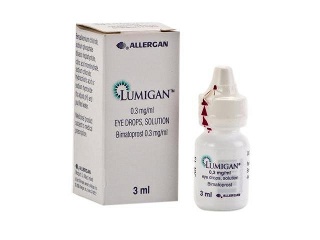
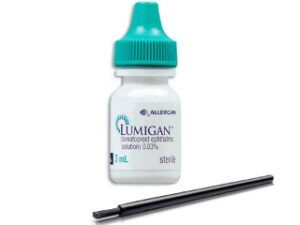
Lumigan is an eye medicine containing bimatoprost. It is used to lower raised pressure inside the eye and to treat certain eye conditions. This page explains what Lumigan is, how it works, how to use it safely, and what to expect. It is written for people in the United Kingdom and is intended to be patient-friendly.
Quick overview
- Active ingredient: Bimatoprost
- Medicine type: Prostaglandin analogue (eye pressure–lowering agent)
- Common form: Eye drops
- Main uses: Raised intraocular pressure (IOP) in glaucoma and ocular hypertension
- Typical dosing: Once daily in the evening
Basic product information
Lumigan contains bimatoprost, a medicine designed for use in the eye. It helps reduce the pressure inside the eye. In the UK, Lumigan is available in different strengths depending on product presentation.
Important: Always check the exact strength on the package you receive and follow the dosing instructions provided with your product and any clinician advice.
What is glaucoma and ocular hypertension?
Glaucoma describes a group of eye conditions that can damage the optic nerve, often associated with raised intraocular pressure (IOP). Ocular hypertension is a condition where IOP is higher than normal but without confirmed optic nerve damage or characteristic visual field changes.
Lowering IOP can help reduce the risk of progression and protect vision.
How Lumigan works (mechanism of action)
Bimatoprost is a prostaglandin analogue. It reduces intraocular pressure primarily by increasing the outflow of fluid from the eye.
- Enhanced outflow: Helps the eye drain aqueous humour more effectively.
- Improved fluid circulation: Supports normal balance of fluid production and drainage.
The result is a gradual reduction in eye pressure and improved control of IOP over time.
When Lumigan is typically used (indications)
Lumigan is used to lower raised eye pressure in the following situations:
- Ocular hypertension (raised IOP without glaucoma)
- Open-angle glaucoma (including primary open-angle glaucoma)
- Sometimes: It may be used where clinically appropriate for certain types of glaucoma, depending on local guidance and assessment.
Your eye care professional will confirm whether Lumigan is suitable for your diagnosis and treatment plan.
How to use Lumigan: dosing and timing
Typical dose
Most people use Lumigan once daily, usually in the evening.
The usual regimen is:
- One drop into the affected eye(s) once daily.
Best timing (evening dosing)
Bimatoprost tends to be prescribed at night or in the evening. For many patients, this schedule helps achieve consistent pressure control across the day.
- Try to use it around the same time each day.
- If your routine changes, aim for the most consistent evening timing possible.
If you miss a dose
- Use it as soon as you remember if it is still the same day.
- If it is nearly time for the next dose, skip the missed dose.
- Do not use double the dose to make up for a missed one.
Duration of use
Lumigan is usually used as a long-term treatment to maintain reduced IOP. Do not stop without medical advice, even if your eyes feel comfortable—glaucoma is often symptom-free until advanced.
Practical use tips (to help it work well and reduce side effects)
Step-by-step guide
- Wash your hands before using the drops.
- Check the dropper tip: ensure it is clean and not damaged.
- Look up and gently pull down the lower eyelid.
- Place one drop into the pocket formed between the lower eyelid and the eye.
- Close your eye gently for 1–2 minutes.
- Press the inner corner of the eye (tear duct area) gently for about 1 minute. This can reduce drainage into the nose and throat.
- Wipe away excess liquid with a clean tissue.
When using other eye drops
If you also use other eye medicines (for example, for glaucoma), spacing doses can help prevent dilution and improve effectiveness:
- Wait at least 5 minutes between different eye drops unless your clinician has advised otherwise.
- Use gels/ointments last (as they can reduce absorption of liquid drops).
Contact lenses
Because Lumigan contains ingredients intended for eye use, follow product instructions regarding contact lenses. If you wear contact lenses:
- Consider removing them before applying drops.
- Ask your eye care team when you can reinsert them after dosing.
What you may notice over time
Some changes can occur, particularly with long-term use. Commonly reported:
- Longer or thicker eyelashes (sometimes noticeable)
- Increased lash darkness
- Redness of the eye
Food interactions
Lumigan is an eye drop and is not a medicine taken by mouth. For most people, food is unlikely to directly affect its action.
However, general health factors matter: staying hydrated and following a clinician’s plan for other medicines can support overall comfort and adherence.
Alcohol interactions
There are no well-established direct interactions between alcohol and bimatoprost eye drops.
- Alcohol may affect dryness or sensitivity of the eyes in some people, which can make irritation feel worse.
- If you drink alcohol, monitor for increased redness, discomfort, or blurred vision and seek advice if symptoms persist.
Interactions with other medicines
Because Lumigan is applied to the eye, systemic (whole-body) interactions are generally less common than with oral medicines. Still, it’s important to consider interactions—especially with other eye medicines.
Other eye medications
- Prostaglandin medicines: Using more than one prostaglandin analogue together may increase side effects. If you are already on a prostaglandin analogue, tell your eye care team.
- Multiple glaucoma drops: Always space them as instructed and keep a dosing routine.
Systemic medicines
No major interaction is typically expected, but you should still tell a healthcare professional about:
- All medicines you take (including eye drops and gels)
- Recent medicines
- Herbal products and supplements
Tip: Keep an up-to-date list of medicines and bring it to eye appointments.
Pharmacokinetics (absorption, distribution, and elimination)
Pharmacokinetics describes how the body absorbs, distributes, and eliminates a drug. With eye drops, much of the action is local, and only small amounts are expected to reach the bloodstream.
- Absorption: Bimatoprost can be absorbed through ocular tissues. Systemic absorption is generally low.
- Distribution: Once in the body, bimatoprost is distributed throughout tissues.
- Metabolism: It is metabolised, mainly through metabolic processes in the body.
- Excretion: Metabolites are eliminated primarily via renal and hepatic routes (kidneys and liver pathways).
For most patients, these processes do not require dose adjustment beyond the standard ophthalmic regimen, but your clinician should advise if you have significant liver or kidney problems.
Safety profile and side effects
Like all medicines, Lumigan can cause side effects. Many are mild and related to the eye surface.
Common side effects
- Eye redness
- Itching or irritation
- Dry eye sensation
- Increased tear production (watering)
- Changes to eyelashes (growth, thickness, darker lashes)
- Mild discomfort or stinging after application
Possible changes in eye appearance
- Darkening of the iris or increase in pigmentation may occur in some people, particularly with long-term use.
- Eyelid skin darkening can also be reported (less common).
Less common but important side effects
Contact a healthcare professional promptly if you experience:
- Eye pain (more than mild irritation)
- Significant swelling of the eyelid or surrounding area
- Vision changes (persistent blurring or loss of vision)
- Worsening redness or discharge
- Symptoms of allergy such as severe itching, rash, or swelling
When to seek urgent help
Seek urgent medical care if you have severe eye pain, sudden vision loss, marked light sensitivity, or severe swelling—these may indicate a serious eye problem.
Safety considerations and special populations
- Pregnancy and breastfeeding: If you are pregnant, planning pregnancy, or breastfeeding, discuss use with an eye care professional. They will balance benefits and risks for your specific situation.
- Children: Use in children should be guided by a paediatric eye specialist where appropriate.
- Contact with the skin: Avoid letting the bottle tip touch the eye or surrounding skin to reduce infection risk.
Alternative options for raised eye pressure
If Lumigan is not suitable, other glaucoma medicines may be considered. Alternatives typically include:
- Other prostaglandin analogues (similar class; different active ingredients)
- Beta-blocker eye drops (reduce fluid production)
- Alpha agonists (reduce production and increase outflow)
- Carbonic anhydrase inhibitors (reduce fluid production)
- Combination eye drops (two medicines in one)
- Non-drop treatments: laser procedures or surgical options, depending on diagnosis and severity
Your eye care professional can recommend the best alternative based on your IOP, type of glaucoma, response, and side effect profile.
Market and legal context in the United Kingdom
Medicines such as Lumigan are regulated and made available through UK healthcare systems under applicable medicines legislation and pharmacy supply rules. Availability and dispensing requirements can vary depending on strength, indication, and local prescribing pathways.
In the UK, patient safety is supported through:
- Medicines quality controls and authorised supply chains
- Product labelling with dosage instructions and warnings
- Pharmacy guidance on correct use and side effects
Always use medicines in line with UK product information and advice from qualified healthcare professionals.
Recent guidance (what to watch for)
Guidance for glaucoma care commonly emphasises:
- Regular eye checks to monitor IOP and optic nerve/visual fields
- Adherence to daily dosing schedules
- Correct drop technique to improve effectiveness
- Management of side effects, including redness or irritation
If you experience persistent irritation or unexpected symptoms, seek advice rather than changing or stopping treatment on your own.
Delivery, availability, and ordering online (UK)
Online pharmacies in the UK typically aim to provide authorised products delivered to your home. Availability can depend on stock levels and product strength.
- Delivery times: vary by provider and service level.
- Packaging: medicines are usually dispatched with protective packaging to reduce damage.
- Stock may change: if an item is temporarily unavailable, the pharmacy may offer an alternative strength or comparable product where appropriate.
- Check details: confirm the strength (e.g., 0.03% or other presentation) before use.
For any delivery concerns (damaged packaging, incorrect product, or missing items), contact the pharmacy promptly with order details.
Patient support: practical use checklist
- Use once daily in the evening unless advised otherwise.
- Don’t share eye drops.
- Keep the bottle tip clean and avoid touching it to the eye.
- Wait 5 minutes between different eye drops.
- Report persistent redness, pain, or vision changes.
- Attend follow-up appointments for pressure and optic nerve monitoring.
Summary table: important points at a glance
| Topic | What you should know |
|---|---|
| Medicine | Lumigan eye drops (bimatoprost) |
| Purpose | Lower intraocular pressure (IOP) in glaucoma/ocular hypertension |
| How it works | Increases outflow of fluid from the eye |
| Typical dosing | One drop once daily, usually in the evening |
| Missed dose | Use if same day; otherwise skip—don’t double up |
| Food effects | Food is unlikely to affect eye drop action |
| Alcohol | No known direct interaction; may worsen eye dryness in some people |
| Common side effects | Redness, irritation, dry feeling, lash changes |
| Report urgently | Severe pain, sudden or worsening vision changes, significant swelling |
| Follow-up | Regular eye tests are essential to monitor glaucoma |
FAQ – Lumigan (Bimatoprost) eye drops
1) What is Lumigan used for?
Lumigan is used to lower raised pressure inside the eye, commonly in people with open-angle glaucoma or ocular hypertension.
2) How fast does Lumigan start working?
Some pressure-lowering effect can occur after starting treatment, but IOP control is typically monitored over time. Follow your clinician’s follow-up schedule to assess effectiveness.
3) Should I use Lumigan in both eyes?
Use it only in the eye(s) prescribed for you. If both eyes are affected, your prescription/plan will usually specify both.
4) Can Lumigan change my iris colour?
It is possible for long-term bimatoprost to cause increased pigmentation, including darkening of the iris, in some individuals. This is usually gradual. Discuss any concerns with your eye care professional.
5) Why is my eye red after using Lumigan?
Redness is a commonly reported side effect. If redness is mild and improves, it may be manageable. If it is severe, painful, associated with discharge, or worsening, seek medical advice promptly.
6) Can I wear contact lenses?
Follow product instructions regarding contact lenses. In general, it’s often recommended to remove lenses before applying drops and wait before reinserting. Your eye care team can advise for your specific lens type and condition.
7) What if I accidentally use it more than once in a day?
If you use extra drops by mistake, do not intentionally repeat doses. Contact your eye care team or pharmacist for advice, especially if you develop significant irritation or symptoms.
8) Are there long-term risks from using Lumigan?
Many people use bimatoprost safely long term under medical supervision. The most notable long-term effects relate to changes in eyelash appearance and possibly iris pigmentation. Regular eye checks help ensure benefits continue to outweigh risks.
9) Can I stop Lumigan if my eye pressure feels normal?
Glaucoma often causes few or no symptoms even when pressure is high. Stopping without advice may allow pressure to rise again. Always discuss changes in treatment with your eye care professional.
10) What should I do if I have blurred vision after applying drops?
Mild temporary blurring can occur. Avoid driving or operating machinery until your vision clears. If blurred vision persists or worsens, seek medical advice.
Final reminders
- Use Lumigan once daily in the evening as directed.
- Keep follow-up appointments to protect your vision.
- Contact a healthcare professional if you experience severe pain, persistent worsening redness, or vision changes.
This information is provided for general guidance and does not replace advice from an eye care professional or the product leaflet supplied with your medicine.