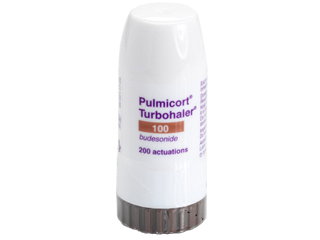
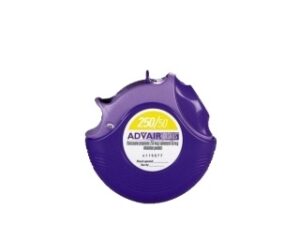
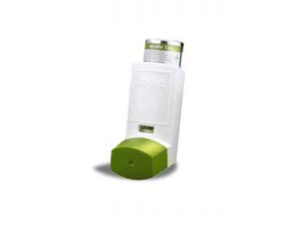
Pulmicort (Budesonide) – Patient Information (UK)
Pulmicort contains budesonide, a corticosteroid medicine used to reduce inflammation in the airways. It is commonly used for long-term control of certain breathing conditions, especially where inflammation in the lungs contributes to symptoms.
This page is designed to be helpful and patient-friendly. Always follow the specific advice given by your healthcare professional and the instructions inside your medicine packaging.
Quick Overview
- Active ingredient: Budesonide
- Medicinal type: Inhaled corticosteroid (ICS)
- Main use: Helps prevent symptoms by treating airway inflammation
- Common strengths/forms (UK): Varies by product (e.g., inhalation suspension for nebuliser; inhaler options may differ)
- How it works: Reduces inflammation and airway reactivity
- Important note: Not a “reliever” medicine for sudden breathlessness
Basic Product Information
What is Pulmicort?
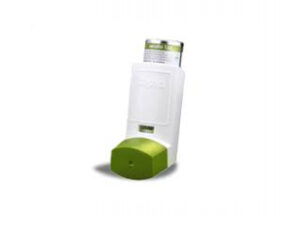
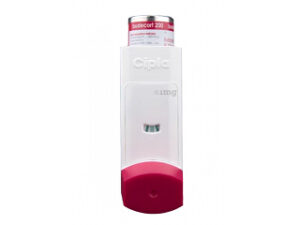
Pulmicort is a brand name for budesonide used to control inflammatory lung conditions. It may be provided as inhalation therapy through different devices depending on the presentation.
Who it is for:
It is used in adults and children in line with clinical guidance for conditions such as asthma and (depending on the exact product and formulation) other steroid-responsive respiratory conditions.
UK availability:
Pulmicort is a well-established medicine in the UK market and is available through licensed supply channels. Availability can vary by strength and device type.
How Pulmicort Works (Mechanism of Action)
Budesonide is a corticosteroid that acts locally in the lungs after inhalation. Its anti-inflammatory effects help:
- Reduce swelling (inflammation) of the airway lining
- Lower mucus production that can block airways
- Decrease sensitivity of the airways to triggers (such as allergens and cold air)
- Improve airflow over time
Key point: Pulmicort works by controlling the underlying inflammation. It generally does not act quickly enough to relieve an acute asthma attack or sudden wheeze. A fast-acting “reliever” medicine is usually used for sudden symptoms (for example, a short-acting beta2-agonist) as advised by your clinician.
Pharmacokinetics (How the Body Handles It)
Understanding pharmacokinetics helps explain why correct inhaler/nebuliser use matters and why effects build gradually.
- Absorption: Budesonide primarily acts locally in the lungs. A proportion of inhaled medicine is swallowed and absorbed through the digestive tract.
- Metabolism: Budesonide is extensively metabolised, mainly in the liver, by enzymes such as CYP3A4.
- Bioavailability: Because much is metabolised before it reaches the bloodstream (first-pass effect), systemic exposure is reduced compared with oral steroids.
- Onset: Some improvement may be noticed within the first days, but full benefit often takes several days to a few weeks with regular use.
- Elimination: Metabolites are cleared mainly through the kidneys.
Practical implication: For best results, use Pulmicort regularly as directed rather than only when symptoms flare.
Typical Uses in the UK
Pulmicort is used to treat conditions where airway inflammation plays a key role. Depending on the formulation, indications may include:
- Asthma (maintenance/control therapy to reduce frequency and severity of symptoms)
- Other steroid-responsive respiratory conditions as outlined in the specific product’s UK Patient Information Leaflet and clinical guidance
Not for: Sudden attacks or immediate relief of severe breathlessness. For acute symptoms, follow your action plan and the advice from your healthcare professional.
When to Take Pulmicort (Timing and Routine)
How you time doses depends on your prescribed schedule and the product/device you are using.
- Consistency matters: Use at the same times each day if prescribed once or twice daily.
- Build-up period: Even if you feel better, do not stop early—maintenance therapy works best when taken continuously.
- Reliever vs preventer: Use your reliever for sudden symptoms, and Pulmicort for ongoing control.
Common approach (general): Many people use inhaled corticosteroids either once daily or twice daily depending on asthma severity and clinician advice.
Food Interactions
For most inhaled budesonide products, food does not significantly affect absorption because the main site of action is the lungs. However, some swallowed portion may occur after inhalation.
- Generally: You can usually take Pulmicort with or without food.
- Best practice: If your product instructions are device-specific (for example, nebuliser preparation), follow those instructions carefully.
If you notice stomach upset or any unexpected symptoms, discuss them with a pharmacist or clinician. Do not stop medication without advice.
Alcohol and Medicine Interactions
Alcohol
Alcohol is not expected to directly interfere with inhaled budesonide in the usual way, but heavy or frequent alcohol intake can affect overall health, immune response, and liver function.
- Moderation is sensible for overall wellbeing.
- If you have liver disease or significant other conditions, ask your healthcare professional for personalised advice.
Other Medicines
Because budesonide is metabolised in the liver (notably by CYP3A4), some medicines may change its level in the body.
- CYP3A4 inhibitors (examples include some antifungals and certain antibiotics used for specific infections) may increase budesonide levels.
- Oral corticosteroids (for example, prednisolone) used alongside inhaled therapy may increase the risk of steroid-related side effects.
- Some antiviral medicines and other drugs may also affect corticosteroid metabolism depending on the exact regimen.
Important: If you take multiple medicines—especially those that affect liver enzymes—tell your pharmacist or prescriber. They can check for interactions and monitor you appropriately.
Dosing (How Much to Use)
Dosing depends on:
- Your age (adult or child)
- The severity and control of your condition
- The specific Pulmicort product and strength
- Your response and clinician review
Do not change your dose without medical advice. Use only the strength and schedule written on your label.
| Patient group | Typical dosing approach (general) | What to expect |
|---|---|---|
| Adults | Usually started at a maintenance dose based on asthma control; may be once or twice daily depending on the product. | Improvement may occur over several days; best control often takes longer. |
| Children | Doses are tailored by weight/age and severity. Nebuliser dosing may be used in younger children depending on device suitability. | Regular use is important; inhalation technique and mask fit are key. |
| People needing step-up therapy | Clinicians may increase dose temporarily during worsening control or add other controller medicines. | Do not increase on your own—follow an asthma action plan. |
Tip: If you’re unsure about your prescribed dose, confirm the exact strength and number of treatments (or inhalations) with your pharmacist.
Indications and Clinical Considerations
In general, inhaled budesonide is prescribed for anti-inflammatory control. It is commonly used when:
- Symptoms are frequent or waking at night occurs
- Reliever use is increasing
- There is evidence of persistent airflow limitation
- Preventive therapy is needed to reduce risk of exacerbations
Assessing control: Your clinician may review symptoms, inhaler technique, adherence, and any triggers. Correct inhalation technique can significantly improve how much medicine reaches the lungs.
If symptoms worsen: Do not simply double your dose without advice. Worsening symptoms may require a reassessment and, in some cases, urgent treatment.
Safety Profile
Like all medicines, Pulmicort can cause side effects. Many people tolerate inhaled budesonide well, especially when used at the lowest effective dose. Side effects are usually dose-related and related to steroid effects in the mouth/throat or (less commonly) throughout the body.
Common or Local Side Effects
- Hoarseness (voice changes)
- Sore throat or throat irritation
- Oral thrush (fungal infection in the mouth/throat)
- Dry mouth or mild cough immediately after use
Ways to Reduce Local Side Effects
- Rinse your mouth and spit out after use (especially after inhaler therapy, and as advised for your nebuliser device).
- Use a spacer if your device instructions include one (for applicable inhalers).
- Ensure correct technique and fit (especially with masks for children).
Less Common but Important Systemic Effects
Systemic effects are less likely with inhaled therapy than with oral steroids, but risk can increase with higher doses or long-term use. Seek advice if you experience:
- Signs of hormone suppression (clinicians monitor and adjust if needed)
- Higher susceptibility to infections (particularly fungal infections)
- Growth concerns in children (regular monitoring is recommended)
- Bruising or skin thinning (uncommon with inhaled use but can occur)
When to Get Urgent Help
Seek urgent medical advice if you experience severe breathing difficulty, fainting, bluish lips, or if you do not respond to your reliever as described in your action plan.
Practical Use Tips (How to Get the Best Results)
Inhaler/Device Technique
Correct technique helps deliver medicine to the lungs. If your product uses an inhaler or spacer, follow the device-specific instructions. If you are using a nebuliser:
- Use only the recommended solution form of the medicine.
- Ensure the nebuliser compressor/mask/neb chamber is assembled correctly.
- Keep the session duration and flow settings as instructed by your product leaflet or healthcare team.
After Each Dose
- Rinse and spit after inhalation when appropriate.
- Wipe and clean the mouthpiece/mask area if your device instructions require it.
- Store the medicine as directed (temperature and protection from moisture/light, if stated).
Adherence Matters
Many people notice improvement quickly, but medication must be used consistently for best long-term control. If you miss a dose, follow the product leaflet guidance (generally, take it when remembered unless close to the next dose; do not double).
Missed Doses and How to Manage Them
If you forget a dose:
- Check the product leaflet: specific instructions may vary by formulation and schedule.
- Do not double up unless your clinician instructs you to.
- If you frequently miss doses, speak to your pharmacist—there may be strategies to make adherence easier.
Alternative Options
There are several other approaches for asthma and steroid-responsive airway inflammation. Your healthcare professional will choose based on symptom severity, past response, and device suitability.
Other Inhaled Corticosteroids (ICs)
- Beclometasone
- Fluticasone
- Momatasone (device-specific)
- Others depending on availability and clinician preference
Combination Inhalers
Some patients benefit from combination therapy that includes an inhaled steroid plus a long-acting bronchodilator (often a long-acting beta2-agonist).
Nebulised Treatments
For some people—especially younger children—nebuliser-based options may be considered. Device choice is a key factor for effective treatment.
Switching medicines: If you are considering changing from Pulmicort to an alternative, discuss it first—doses are not interchangeable between different steroids and devices.
UK Market and Legal/Clinical Context
In the United Kingdom, inhaled corticosteroids are a cornerstone of asthma management. Treatment choices are guided by national recommendations and clinical evidence.
- Asthma management guidance: UK clinical practice commonly aligns with guidance such as NICE and internationally recognised asthma care standards adapted for local practice.
- Monitoring: Clinicians review symptom control, reliever use, lung function where relevant, inhaler technique, and side effects.
- Medication safety and quality: Medicines supplied through licensed channels must meet UK regulatory standards for manufacture and distribution.
Recent guidance emphasis (general): In UK practice, there has been ongoing focus on improving inhaler technique, ensuring appropriate controller therapy, reviewing adherence, and addressing triggers to reduce exacerbations.
Delivery and Availability (Online Pharmacy in the UK)
Availability and dispatch times vary by strength and formulation. When ordering online:
- Check the exact product: Pulmicort can be supplied in different forms; ensure the device type matches your needs.
- Delivery times: Typically align with UK courier or Royal Mail service standards; exact dates depend on stock status and your location.
- Packaging: Medicines are usually dispatched in protective packaging to ensure safe transit.
If an item is out of stock, the pharmacy may offer an alternative similar medicine or contact you with options (subject to availability and prescribing instructions where relevant in your situation).
FAQ (Frequently Asked Questions)
1. Is Pulmicort a reliever or a preventer?
Pulmicort is a controller/preventer medicine. It helps treat ongoing inflammation. For sudden symptoms, you should use your reliever medicine as instructed in your asthma plan.
2. How long does Pulmicort take to work?
Some improvement may occur within days, but full control typically takes several days to a few weeks with regular use. Consistency is crucial.
3. Should I rinse my mouth after using Pulmicort?
In most cases, yes—especially to help reduce the risk of thrush and hoarseness. Follow your product’s leaflet and device instructions.
4. Can children use Pulmicort?
Children may be prescribed Pulmicort depending on the condition and appropriate dose for age/weight. Technique (and mask fit if using a nebuliser) is particularly important.
5. What happens if I stop Pulmicort?
Stopping abruptly may lead to worsening inflammation and symptoms returning. Do not stop without advice. Your clinician may adjust the dose gradually in some situations.
6. Will Pulmicort affect my growth?
Inhaled corticosteroids are generally associated with a lower risk than oral steroids, but growth should be monitored in children as a precaution. Your clinician will weigh benefits and risks and monitor your child’s progress.
7. Are there foods I should avoid?
Food is not usually a major issue for inhaled budesonide. However, always follow the specific instructions in your leaflet and ensure your device is used correctly.
8. Can I drink alcohol while using Pulmicort?
Moderate alcohol intake is not expected to directly interfere with inhaled budesonide, but maintaining overall health is important. If you have liver problems or take other medicines, ask for personalised advice.
9. What medicines might interact with Pulmicort?
Medicines that inhibit liver enzymes (notably CYP3A4) may increase budesonide levels. Tell your pharmacist about all medicines, including antifungals and certain antibiotics or antiviral medicines.
10. How do I know if I’m using it correctly?
Common signs of suboptimal technique include persistent symptoms, frequent reliever use, and local side effects like thrush despite correct adherence. Consider asking your pharmacist, nurse, or GP practice to check your technique.
Key Takeaways
- Pulmicort (budesonide) reduces airway inflammation to help prevent asthma symptoms.
- It is a controller medicine—not for immediate relief of sudden breathlessness.
- Use regularly, rinse/spit after use when advised, and ensure correct technique.
- Speak to a pharmacist or clinician about interactions and any concerns about side effects.
Note: This information is for general guidance. The exact advice for your specific Pulmicort product, dose, and device will be provided in the UK Patient Information Leaflet and by your healthcare professional.