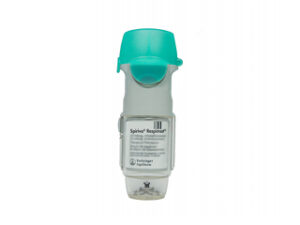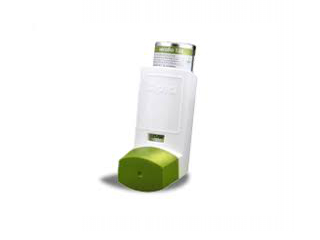

Seroflo Inhaler (Fluticasone + Salmeterol) – Patient Information (UK)
Seroflo Inhaler is a combined asthma medicine used to help control symptoms and reduce flare-ups in people with asthma. It contains two active ingredients: fluticasone (an inhaled corticosteroid) and salmeterol (a long-acting beta2 agonist). This leaflet-style guide explains how it works, how to use it safely, and what to expect.
At a glance
- What it contains: Fluticasone (anti-inflammatory) + Salmeterol (long-acting bronchodilator)
- What it’s for: Ongoing control of asthma and prevention of symptoms
- How it works: Reduces airway inflammation and keeps airways open over time
- How often: Commonly twice daily (morning and evening), depending on your strength and plan
- Important note: This is not for immediate relief of sudden asthma attacks
Basic product information
| Feature | Information |
|---|---|
| Name | Seroflo Inhaler (Fluticasone + Salmeterol) |
| Active ingredients | Fluticasone propionate + Salmeterol xinafoate |
| Medicine type | Inhaled corticosteroid (ICS) + long-acting beta2-agonist (LABA) |
| Common use | Long-term asthma control and symptom prevention |
| Form | Inhaler device (typically pressurised metered-dose style) |
| Strengths | Available in different strengths; always check the label on your pack |
Because inhalers can vary slightly by brand and strength, always follow the instructions included with your specific Seroflo product and the technique advice from your healthcare team.
How Seroflo works (mechanism of action)
Seroflo combines two complementary medicines:
-
Fluticasone (inhaled corticosteroid):
Works by reducing inflammation in the airways. Over time, this lowers swelling, mucus production, and airway sensitivity. This helps to prevent symptoms such as wheeze, shortness of breath, chest tightness, and coughing—especially at night or with exercise. -
Salmeterol (long-acting beta2 agonist):
Relaxes the smooth muscle around the airways. This widens (dilates) the airways and makes breathing easier. The effect is designed to last for about 12 hours, which is why the medicine is usually taken twice daily.
Key point: Fluticasone tackles the underlying inflammation; salmeterol helps keep airways open. Together, they improve asthma control more effectively than either ingredient alone.
Pharmacokinetics (how the body processes it)
Inhaled medicines act mainly in the lungs, but some absorption occurs into the bloodstream. Exact levels vary by technique (how well the medicine is inhaled), device use, and the person’s asthma control.
Absorption
- Inhaled fluticasone: Primarily delivered to the lungs; a portion may be swallowed and then absorbed from the gut. Lung deposition tends to be the main route for local effects.
- Inhaled salmeterol: Delivered to the airways to provide bronchodilation; some systemic absorption may occur.
Distribution and metabolism
- Both ingredients may be metabolised in the liver. Fluticasone is broken down mainly by the enzyme CYP3A4.
- Salmeterol also undergoes metabolism (systemic exposure is generally lower with inhaled use than with oral forms).
Elimination
- Inactive metabolites are primarily eliminated via the bile/faeces pathway (with minor contributions from other routes).
Because fluticasone is processed by CYP3A4, medicines that strongly affect this pathway (such as some antifungals and some antiviral therapies) can change exposure levels and increase side effects risk.
Typical use in asthma
Seroflo is used for maintenance (long-term) treatment of asthma to:
- prevent daytime symptoms
- reduce night-time awakenings
- help prevent exercise-induced symptoms
- decrease the likelihood of asthma flare-ups
- improve overall asthma control and lung function
Not for sudden attacks: Seroflo is not a “fast relief” medicine. For sudden symptoms, a separate quick-acting reliever (commonly a short-acting beta2 agonist) is used.
When to take it (timing guidance)
Seroflo is usually taken twice daily—for example:
- Morning: at a consistent time
- Evening: roughly 12 hours later
Many people find it helpful to tie doses to routine activities (breakfast and bedtime). Use it regularly even when you feel well, as the anti-inflammatory effect needs time to build.
If you forget a dose
- If you remember shortly after missing it, take it when you can.
- If it is nearly time for the next dose, skip the missed dose.
- Do not take a double dose to catch up.
Food interactions
Seroflo is an inhaled medicine. Food does not typically have a direct interaction because most of the effect is local in the lungs. However, if some of the medicine is swallowed, it may be processed through the digestive system.
- General guidance: You can take Seroflo with or without food.
- Practical tip: Avoid eating or drinking immediately before using the inhaler if it makes inhalation technique difficult.
Alcohol and medicine interactions
Alcohol
There is no specific “must avoid” instruction for alcohol with Seroflo in most people. However, alcohol can trigger asthma symptoms in some individuals and may worsen sleep quality, which can affect asthma control.
- If you notice alcohol triggers wheeze or breathlessness, limit alcohol and discuss with your healthcare team.
- Avoid heavy drinking, especially around times when symptoms tend to flare.
Important medicine interactions
Certain medicines can affect how fluticasone is metabolised (CYP3A4). This can increase steroid exposure and side-effect risk. Tell a healthcare professional or pharmacist about all medicines you take, including over-the-counter products.
- Strong CYP3A4 inhibitors: e.g., some antifungals (such as ketoconazole, itraconazole) and some antiviral medicines (such as ritonavir-containing regimens). These can significantly increase fluticasone levels.
- Moderate CYP3A4 inhibitors: may still increase exposure, though typically less than strong inhibitors.
- Other beta-agonists: taking more than one bronchodilator (especially if combined with other LABAs) may increase side effects like tremor or fast heart rate.
- Beta-blockers: some beta-blockers can oppose the effect of beta2 agonists. If you have a heart condition, medical review is important.
- Diuretics and certain other medicines affecting potassium: may increase the risk of low potassium when beta2 agonists are used.
Do not start or stop any medicine without advice, particularly if you are taking medicines for infections, HIV, or heart conditions.
Indications (what Seroflo is used for)
In the UK, Seroflo is indicated for the maintenance treatment of asthma in patients who require combination therapy. It is commonly used when:
- asthma is not adequately controlled with an inhaled corticosteroid alone, and/or
- the clinician decides that a LABA plus ICS combination is appropriate for better long-term control.
Your local asthma action plan and ongoing reviews will determine the best step of treatment for you.
Dosing (how much to use)
The exact dose depends on your inhaler strength, your age, symptom severity, and your asthma control. Always follow your labelled instructions.
Typical dosing pattern
- Most commonly: two inhalations twice daily (morning and evening) for many combination strengths.
- Some people may need different dosing: your clinician may adjust dose based on control and side effects.
Important
- Do not exceed the recommended number of inhalations per day.
- If you need reliever treatment more often, this can indicate poor control—seek medical review.
Practical use tips (getting the best benefit)
Many asthma medicines work best when inhaled correctly. If technique is off, less medicine reaches the airways, and symptoms may not improve.
General technique principles
- Shake the inhaler if your device requires it (check the instructions).
- Exhale gently away from the mouthpiece.
- Place the mouthpiece between lips and form a tight seal.
- Start to breathe in slowly and deeply as you press the canister (for metered-dose inhalers).
- Continue breathing in after actuation to fill the lungs.
- Hold your breath for about 5–10 seconds (or as comfortable) before breathing out.
Using a spacer (often helpful)
- A spacer device can improve delivery and reduce oropharyngeal deposition.
- If you struggle with timing or coordination, ask a pharmacist or nurse to demonstrate spacer use.
Rinse after using fluticasone
Because fluticasone is a steroid, rinsing can help reduce local side effects such as throat irritation and oral thrush.
- Rinse your mouth and spit out after each dose.
- Do not swallow the rinse water.
Check regularly
- Review inhaler technique at each asthma review if possible.
- If symptoms change, technique should be reassessed before adjusting doses.
Safety profile and common side effects
Like all medicines, Seroflo can cause side effects. Not everyone gets them, and many side effects are mild and improve as your body adjusts. If you feel unwell or experience severe symptoms, seek urgent medical help.
Common side effects
- Hoarseness or voice changes
- Sore throat or irritation
- Cough or mouth/throat discomfort
- Oral thrush (candida), especially if you do not rinse after use
- Tremor (often linked to salmeterol)
- Headache
- Palpitations or a slightly faster heart rate
Less common but important side effects
- Muscle cramps (can be associated with low potassium, more likely with higher doses or certain interacting medicines)
- Unusual changes in glucose levels (particularly relevant for people with diabetes)
- Increased susceptibility to infections due to steroid effect (usually local inhaled effect, but higher doses increase risk)
Seek urgent advice if you have
- signs of a severe allergic reaction (e.g., swelling of face/lips, sudden difficulty breathing, rash)
- worsening breathlessness or wheezing that does not respond as expected
- chest pain, fainting, or severe palpitations
Long-term safety considerations
- Inhaled steroids can affect the body in small amounts, especially at higher doses. Your clinician aims to prescribe the lowest effective dose to keep asthma well controlled.
- Regular asthma reviews are recommended to monitor control, inhaler technique, and the need for any dose adjustments.
Overuse and asthma control signals
Using a reliever more frequently than usual can signal worsening asthma control. If you are:
- needing reliever medication more often,
- waking at night due to symptoms,
- finding your usual activities harder, or
- experiencing frequent flare-ups,
you should seek advice promptly. The goal is to optimise long-term controller therapy and confirm inhaler technique.
Alternative options (if Seroflo isn’t suitable)
There are several inhaled controller options in the UK, and the “best” choice depends on your asthma severity and response. Alternatives may include:
Other inhaled corticosteroid (ICS) options
- ICS inhalers (for some people with milder persistent asthma or step-down plans)
Other ICS/LABA combination inhalers
- Similar combination inhalers with different devices or strengths
Different step-up or add-on strategies
- For some patients, clinicians may consider other add-on therapies depending on specialist assessment
If you’re switching medicines, follow a personalised plan and do not abruptly stop controller therapy without advice.
UK market and legal context (patient-friendly overview)
In the UK, inhaled asthma medicines are regulated medicines supplied through NHS and private channels. Seroflo Inhaler belongs to the group of controller medicines intended to be used as part of an asthma management plan.
- Asthma reviews: In the UK, asthma control is monitored using regular reviews and personalised action plans.
- Stepwise approach: Treatment is typically adjusted stepwise according to control and risk.
- Inhaler technique: Technique assessment is strongly encouraged, as it affects outcomes.
The UK medicines supply environment may vary over time due to packaging, strength availability, and logistics. Your local pharmacy can advise on current availability.
Recent guidance and clinical context (what’s emphasized)
UK asthma guidance commonly emphasises:
- Using inhaled controllers regularly to reduce symptoms and exacerbations
- Ensuring correct inhaler technique and considering spacers where appropriate
- Reviewing symptoms and reliever use to gauge control
- Avoiding reliance on reliever alone in people who need controller therapy
- Regular follow-up to use the lowest effective dose
Your healthcare professional may also consider whether a different approach is suitable for your personal situation.
Delivery and availability in the UK
Online pharmacies in the UK typically supply inhalers subject to stock levels and product availability. Availability can be affected by strength, device type, and distribution changes.
- Delivery: Delivery times vary by provider and location; check the website’s delivery information at checkout.
- Packaging: Medicines are supplied in original manufacturer packaging where possible.
- Storage: Store at room temperature and avoid excessive heat or direct sunlight (follow pack instructions).
If your preferred strength is out of stock, some pharmacies can suggest alternatives with similar strengths or compatible controller options.
FAQ (Frequently asked questions)
1) Is Seroflo used for asthma attacks (fast relief)?
No. Seroflo is a maintenance medicine designed to prevent symptoms and flare-ups. For sudden symptoms, you should use your reliever as advised in your asthma action plan.
2) How long does it take to work?
Some improvement may be noticed after using regularly, but full benefit—especially from the anti-inflammatory effect of fluticasone—often takes several days to weeks. Continue using it as prescribed even when you feel better.
3) Why do I need to rinse after using it?
Rinsing your mouth and spitting helps reduce the risk of local side effects like thrush and throat irritation caused by the inhaled steroid.
4) What if my symptoms get worse while using Seroflo?
Worsening symptoms can mean asthma control is not adequate, inhaler technique needs review, or you may be experiencing triggers. Contact a healthcare professional promptly, especially if you need reliever medicine more often than usual.
5) Can I use Seroflo if I also take other inhalers?
Many people use more than one inhaler. However, ensure you know which one is your reliever and which is your controller. If you use multiple inhalers, confirm the order and timing with a pharmacist, and check whether a spacer is recommended.
6) Are there any activities I should avoid?
Keep exercising when possible, as this helps maintain lung fitness and overall wellbeing. If exercise triggers symptoms, discuss timing and your action plan with your healthcare professional.
7) Can I drive or operate machinery?
Seroflo is not usually associated with impairing driving. If you feel dizzy, shaky, or unwell due to symptoms or side effects, avoid driving and seek medical advice.
8) How should I store my Seroflo inhaler?
Store in a dry place at room temperature, away from direct sunlight and heat sources. Do not freeze. Follow the instructions on the pack for details.
9) Can children use Seroflo?
Use in children depends on age, asthma severity, and the specific product strength. A clinician should provide a dosing plan suitable for the child.
Summary
Seroflo Inhaler (fluticasone + salmeterol) is a combined controller medicine for ongoing asthma management. Fluticasone reduces airway inflammation, while salmeterol keeps airways open for around 12 hours. Used correctly and consistently, it can help reduce day and night symptoms and lower the likelihood of asthma flare-ups. Always remember: Seroflo is not for immediate relief during sudden breathing difficulties—use your reliever as part of your asthma action plan.
If you want help choosing the right inhaler strength, checking compatibility with other medicines, or improving inhaler technique, your pharmacist can provide practical advice.